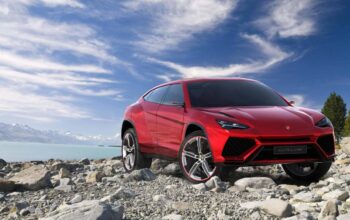

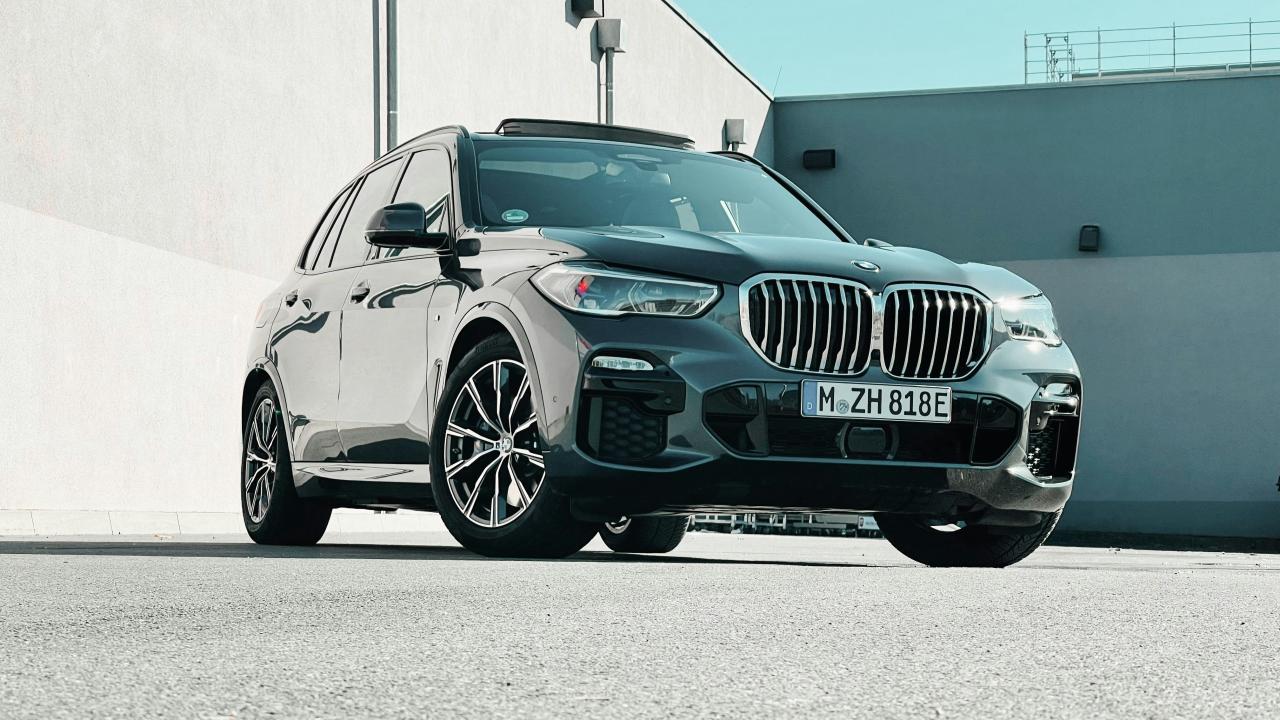
The global automotive landscape is currently undergoing a radical transformation where the traditional boundaries between high-performance sports cars and family-oriented vehicles have completely evaporated. We are living in a golden age of engineering where a three-ton vehicle can accelerate faster than a supercar from the previous decade while providing the absolute comfort of a private jet. Choosing an elite SUV today is no longer just about selecting a brand name or a paint color; it is about analyzing complex mechanical synergies, adaptive suspension systems, and the latest in electrified powertrain technology. For the discerning driver, the “Ultimate Luxury SUV” must serve as a multipurpose tool that masters off-road trails, dominates highway speeds, and offers a sanctuary of silence in the midst of urban congestion.
This faceoff isn’t just a simple comparison of basic specifications; it is an investigation into how different manufacturers interpret the concept of “unlimited capability” in a modern, high-tech context. Navigating this premium market requires a deep understanding of torque vectoring, chassis rigidity, and the psychological impact of interior craftsmanship. This guide deconstructs the elite tier of the automotive world to help you identify which machine truly aligns with your lifestyle and performance expectations. By evaluating these mechanical masterpieces through a lens of total excellence, we provide the blueprints for your next major investment in mobile luxury.
The Heart of the Beast: Powertrain Engineering
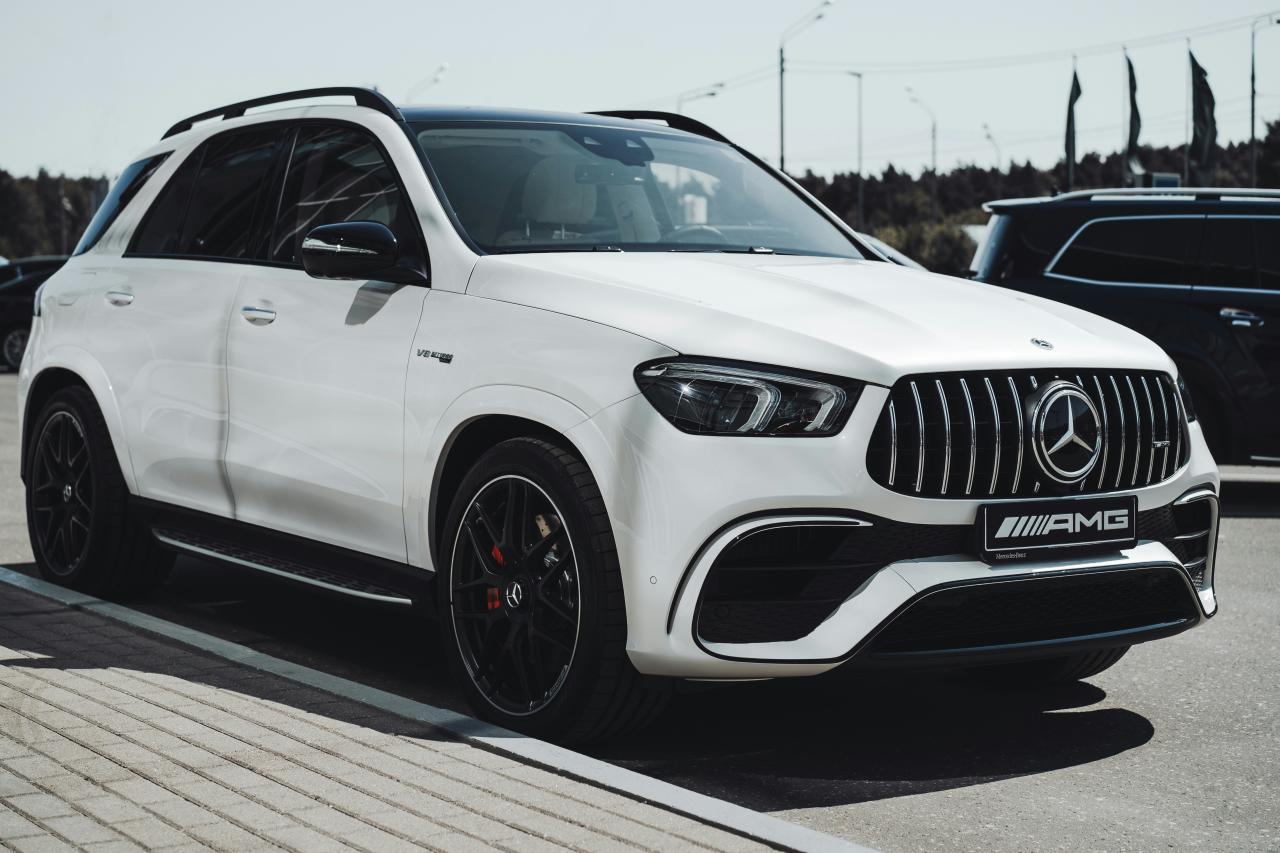
The most critical component of any luxury SUV is the powertrain. It has to be powerful enough to move massive weight but refined enough to do so without vibrating the cabin.
A. High-Output Twin-Turbocharged V8 Engines The V8 remains the emotional heart of the luxury segment. Manufacturers use “Hot-V” configurations, where the turbochargers sit inside the cylinder banks, to minimize the distance air travels, resulting in nearly instant throttle response.
B. Electric Torque Filling and Hybridization Many modern SUVs now use a 48-volt mild-hybrid system. This system powers an electric supercharger that provides boost before the traditional turbochargers spool up, eliminating any sensation of lag during standing starts.
C. Transmission Calibration and Fluidity A performance SUV needs a gearbox that can be invisible during a school run but aggressive on a mountain pass. The latest 8-speed and 9-speed automatics use predictive mapping to downshift before you even enter a corner.
Suspension Magic: The Secret to a Smooth Ride
How does a heavy vehicle stay flat in a corner while floating over potholes? The answer lies in the most advanced suspension technology ever developed.
A. Adaptive Air Springs and Multi-Chamber Logic Air suspension allows a vehicle to change its “spring rate” on the fly. By adding or removing air from multiple chambers, the car can be soft for cruising or stiff for high-speed stability.
B. Active Anti-Roll Stabilization Systems Traditional anti-roll bars are stiff all the time, which can ruin ride quality. Modern luxury SUVs use electric motors to twist the bars in opposition to cornering forces, keeping the body perfectly level without the harshness.
C. Predictive Road Scanning Technology Using stereo cameras mounted behind the rearview mirror, the car “sees” bumps before the tires hit them. It pre-sets the dampers to a soft setting for that specific wheel, making the bump practically disappear for the passengers.
The Digital Sanctuary: Interior and Haptics
Once you step inside, the mechanical world should disappear. The cabin is where software and physical craft meet to create a premium atmosphere.
A. Materials and Artisanal Craftsmanship The use of semi-aniline leather, which is dyed but not coated, ensures a natural feel and breathability. Paired with book-matched wood veneers or carbon fiber, the interior becomes a gallery of fine materials.
B. The Evolution of the Digital Cockpit Hyperscreens that span the entire dashboard are becoming the new standard. These use OLED technology to ensure deep blacks and high contrast, reducing eye strain during night driving.
C. Active Noise Cancellation and Acoustic Physics Just like high-end headphones, the car uses microphones to detect road noise. It then plays an inverted sound wave through the speakers to cancel out the low-frequency drone of the tires.
Breaking the Laws of Physics: Handling and Steering
Driving a large SUV shouldn’t feel like steering a boat. Modern chassis electronics make these giants feel much smaller than they actually are.
A. Rear-Axle Steering and Agility At low speeds, the rear wheels turn opposite to the front wheels, effectively shortening the wheelbase. This allows a full-size SUV to perform a U-turn in a space usually reserved for compact cars.
B. Torque Vectoring by Braking or Differential To help the car turn, the computer can apply the brakes to the inside wheels or send more power to the outside rear wheel. This creates a “yaw” moment that helps the nose of the car tuck into a corner.
C. Electronic Power Steering (EPS) Feedback The challenge for engineers is making the steering feel natural despite it being completely digital. Elite brands tune the resistance based on the driving mode, providing a light feel for parking and a heavy, stable feel for the highway.
Off-Road Mastery: Beyond the Asphalt
Even if most owners never leave the pavement, the engineering required to go off-road adds a layer of “go-anywhere” confidence.
A. Terrain Response Algorithms By selecting “Sand,” “Mud,” or “Snow,” the driver changes the behavior of the throttle, transmission, and traction control. The car automatically optimizes itself for the specific friction levels of the ground.
B. Adjustable Ride Height and Wading Depth The air suspension can lift the body to provide over 10 inches of ground clearance. This also allows the vehicle to wade through water deep enough to submerge its own wheels without stalling the engine.
C. Low-Range Transfer Cases and Locking Differentials For extreme situations, a physical low-range gear multiplies torque for crawling over rocks. Locking the center and rear differentials ensures that power goes to the wheels with the most grip.
The Safety Net: Advanced Driver Assistance Systems (ADAS)
Luxury is also about peace of mind. The car should be able to protect you even when you aren’t paying full attention.
A. Level 2+ Autonomous Highway Driving These systems allow for hands-off driving on pre-mapped highways. The car uses radar and LiDAR to maintain distance and stay perfectly centered in the lane.
B. Night Vision with Pedestrian Detection Infrared cameras can see heat signatures far beyond the reach of the LED headlights. If a deer or a pedestrian is on the side of the road, the car will highlight them on the digital dash or head-up display.
C. Pre-Safe and Collision Mitigation If the car detects an unavoidable impact, it can tighten seatbelts, close windows, and even move the seats away from the doors to create a larger crumple zone for the passengers.
The Head-Up Display (HUD) and Augmented Reality
Information should be delivered exactly where your eyes are looking. This technology is moving from basic speedometers to full navigational overlays.
A. Augmented Reality Navigation Instead of looking at a map, you see glowing blue arrows projected onto the windshield. These arrows appear to sit on the actual street where you need to turn, making navigation foolproof.
B. Virtual Instrumentation The HUD can show your current gear, G-forces, and even off-road tilt angles. This allows the driver to keep their head up and eyes on the trail or the track at all times.
C. Eye-Tracking and Auto-Dimming Cameras inside the cabin track where your pupils are looking. If you look at the dashboard, it brightens up; if you look back at the road, the secondary screens dim to reduce distractions.
Electrification: The Future of Quiet Power
The shift to electric vehicles (EVs) is changing the luxury SUV market more than any other segment.
A. Instant Torque and Silent Performance Electric motors don’t need to rev up to produce power. The result is a silent, effortless surge of speed that feels more “luxurious” than any vibrating combustion engine.
B. Battery Placement and Center of Gravity By placing heavy batteries in the floor, an electric SUV becomes incredibly stable. It has a much lower risk of rolling over compared to a traditional high-riding SUV.
C. Regenerative Braking and One-Pedal Driving In heavy traffic, you can drive using only the accelerator. Lifting off the pedal slows the car down while recharging the battery, making for a much smoother and less fatiguing commute.
Braking Excellence: Stopping Three Tons of Luxury
When a vehicle has 600 horsepower, it needs even more “stopping power” to remain safe.
A. Carbon Ceramic Brake Rotors These high-tech discs can withstand temperatures over 1,000 degrees without fading. They are also much lighter than steel, which improves the suspension’s ability to react to the road.
B. Electronic Brake Boosters (Brake-by-Wire) Instead of a physical link, the brake pedal sends a signal to a computer. This allows the car to blend traditional braking with regenerative braking perfectly, so the driver never feels the transition.
C. Active Brake Drying and Priming If the windshield wipers are on, the car periodically taps the brake pads against the discs to wipe away water. If you lift off the gas suddenly, the car pre-fills the brake lines, anticipating an emergency stop.
Light as a Language: Advanced LED Technology
Headlights have evolved into complex projectors that can communicate with the driver and other road users.
A. Matrix LED and Laser Light Systems These lights can “carve out” a shadow around oncoming cars while keeping the rest of the road brightly lit. You can drive with high beams on all night without ever blinding anyone.
B. Digital Light Projection Some luxury SUVs can project symbols onto the road. For example, if there is construction ahead, the car can project a “lane-keep” guide onto the asphalt to show you exactly where to steer.
C. Interior Ambient Lighting and Mood Setting Lighting is used to influence the mood of the passengers. From “Relax” modes with soft purples to “Sport” modes with aggressive reds, the cabin atmosphere can be changed with a single touch.
Ownership Experience: The “Soft” Side of Luxury
Elite SUVs come with a level of service that extends far beyond the physical vehicle.
A. Bespoke Customization and Personalization At this level, “standard” doesn’t exist. Buyers can choose custom paint colors, unique stitching patterns, and even have their family crest embossed into the headrests.
B. Concierge Service and Mobile Technicians Many luxury brands will pick up your car from your office for service and leave a loaner behind. You may never actually have to visit a dealership for the entire duration of your ownership.
C. Heritage and Resale Value Retention Investing in a flagship SUV from a storied brand is often a safe financial move. These vehicles are designed to last for decades and often maintain a high percentage of their original value.
Sound Systems: The Rolling Concert Hall
In a cabin that is already silent, the audio system becomes the star of the show.
A. High-Wattage Surround Sound Systems with 20 or 30 speakers are common. These include “shakers” in the seats that allow you to “feel” the bass without it being deafeningly loud.
B. 3D and 4D Audio Processing Speakers in the ceiling create a height dimension to the music. 4D audio adds physical vibrations in the seatbacks that pulse in time with the music’s rhythm.
C. Individual Sound Zones Advanced processing allows the driver to listen to navigation instructions while the passenger listens to music, without the two sounds interfering with each other.
Aerodynamics: Cutting Through the Air Quietly
An SUV is inherently a “brick” in the wind. Engineers use clever tricks to make them more efficient and quieter.
A. Active Grille Shutters and Air Curtains When the engine doesn’t need cooling, the front grilles close to let air slide over the nose. Air curtains around the front wheels reduce turbulence in the wheel wells.
B. Deployable Side Steps and Door Handles To keep the sides of the car smooth, door handles often sit flush with the body and only pop out when you approach. Side steps retract under the car when the doors are closed.
C. Rear Diffusers and Wing Elements Even an SUV needs a spoiler. These are used to “detach” the air from the back of the car cleanly, reducing the vacuum that pulls on the vehicle and slows it down.
The Psychology of Choice: Brand Identity
Ultimately, your choice in a luxury SUV is a statement about who you are.
A. Traditional Elegance vs. Modern Tech Some brands focus on hand-stitched leather and analog clocks, while others focus on minimalism and massive screens. Both are valid, but they appeal to very different personality types.
B. The “Stealth Wealth” Movement Many elite buyers are moving away from flashy logos toward “understated luxury.” This involves high-quality materials and incredible performance in a package that doesn’t scream for attention.
C. The Global Status Symbol In many parts of the world, the SUV is the ultimate sign of success. It represents the ability to protect your family while commanding the road.
Conclusion
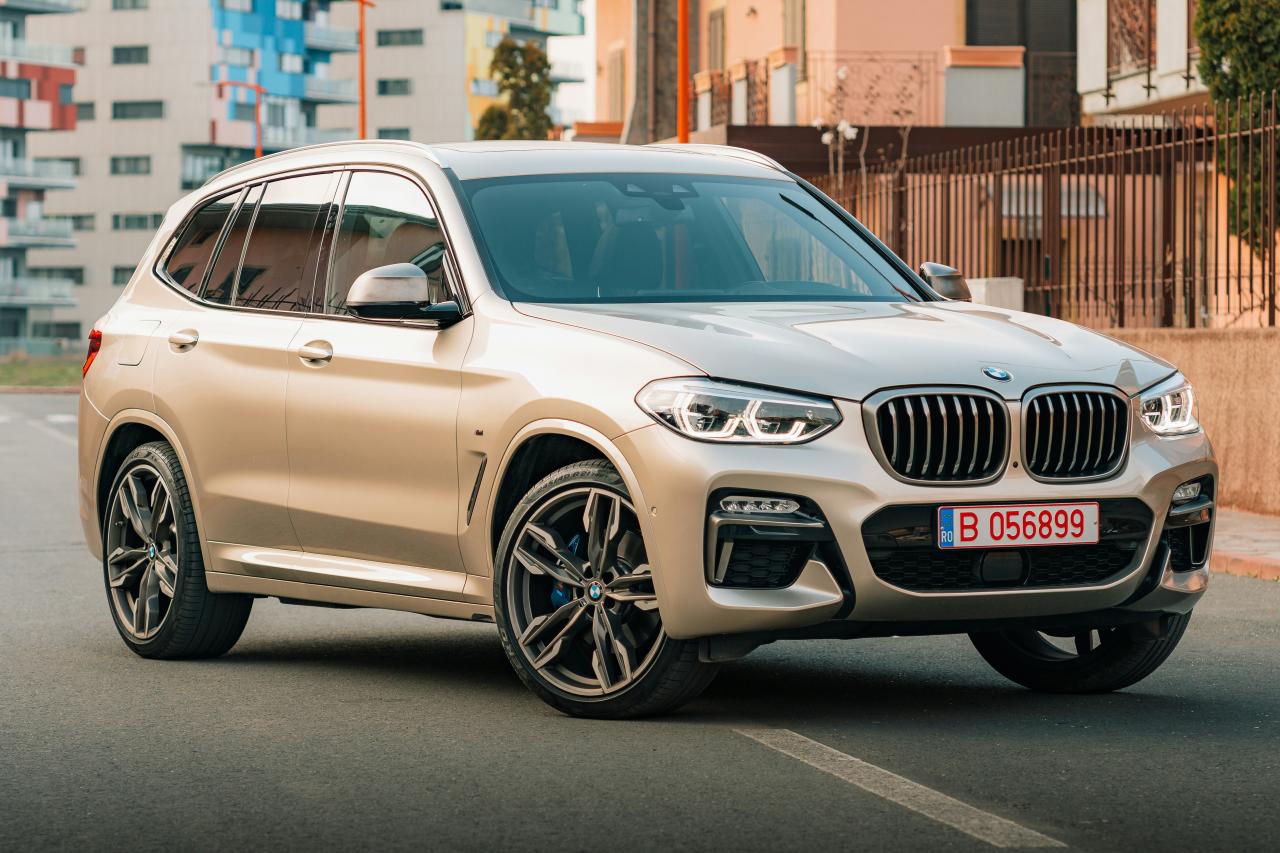
The ultimate luxury SUV is a masterpiece of modern engineering that offers unparalleled versatility. This faceoff highlights how technology has finally overcome the traditional limitations of heavy vehicles. Every brand in this category brings a unique perspective on what “excellence” truly looks like. Choosing between them requires a careful look at your own priorities, from raw power to digital comfort. The mechanical heart of these machines is now supported by a sophisticated digital nervous system. Safety and performance are no longer a trade-off, thanks to active chassis and air suspension.
The shift toward electrification is making these vehicles quieter and more responsive than ever before. Interior craft remains the soul of the experience, providing a home-away-from-home on the road. We are seeing a convergence where the SUV can truly replace both a limousine and a sports car. The investment in a luxury SUV is an investment in your daily peace of mind and mobility. Technology like predictive scanning and augmented reality is changing how we interact with the road. As we move forward, these vehicles will become even more autonomous and integrated into our lives.
The boundaries of what is possible on four wheels continue to be pushed by these flagship models. Whether you value the heritage of the past or the innovation of the future, there is a machine for you. True luxury is about having the capability to go anywhere without ever feeling the stress of the journey. We hope this deep dive has given you the technical insight needed to find your perfect automotive match. The era of the compromise is over, making room for the era of total, uncompromised automotive dominance.