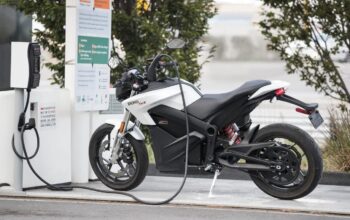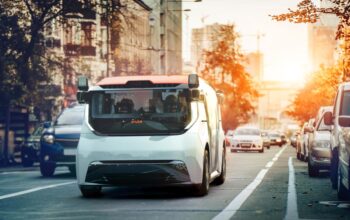


The global automotive industry, a colossal economic engine and a pervasive force in daily life, stands at a pivotal crossroads. The phrase “Sustainable Automotive Future” is no longer an idealistic aspiration but a pressing imperative, demanding a radical rethinking of every aspect of vehicle production, operation, and disposal. Driven by escalating climate concerns, dwindling natural resources, evolving regulatory pressures, and a profound shift in consumer consciousness, the industry is undergoing an unprecedented transformation towards ecological responsibility and long-term viability. This article will meticulously explore the multifaceted dimensions of this shift, delving into the groundbreaking innovations in electrification, circular economy principles, responsible sourcing, and intelligent manufacturing that are collectively forging a path towards an automotive future that is not only greener but also more equitable and resilient for generations to come.
The Urgent Call for Automotive Sustainability

The momentum towards a sustainable automotive future is fueled by a confluence of critical global challenges that demand immediate and comprehensive action from the industry.
A. Climate Change Mitigation:
* Impact: Transportation, particularly road vehicles, remains a significant contributor to global greenhouse gas (GHG) emissions, primarily carbon dioxide (CO2). These emissions exacerbate global warming and its devastating consequences.
* Challenge: Drastically reducing the carbon footprint of vehicles throughout their entire lifecycle, from manufacturing to end-of-life, is paramount to achieving international climate targets and limiting global temperature rise.
B. Resource Depletion and Scarcity:
* Impact: The traditional linear “take-make-dispose” model of manufacturing relies heavily on finite virgin resources, including critical minerals like lithium, cobalt, nickel, and rare earth elements crucial for EV batteries and electronics. This practice is unsustainable in the long run.
* Challenge: Shifting towards a circular economy model that prioritizes resource efficiency, recycling, reuse, and the use of renewable or abundant materials to ensure long-term resource availability.
C. Air Quality and Public Health:
* Impact: Internal Combustion Engine (ICE) vehicles emit harmful pollutants such as nitrogen oxides (NOx), particulate matter (PM2.5), and volatile organic compounds (VOCs), which contribute to urban smog, respiratory illnesses, and cardiovascular diseases.
* Challenge: Eliminating tailpipe emissions in urban centers and reducing emissions from manufacturing processes to improve public health outcomes, especially for vulnerable populations.
D. Ethical Sourcing and Human Rights:
* Impact: The extraction of some critical minerals (e.g., cobalt in the Democratic Republic of Congo) has been linked to concerning human rights abuses, child labor, and unsafe working conditions.
* Challenge: Ensuring transparent, ethical, and responsible sourcing throughout complex global supply chains, upholding human rights and promoting fair labor practices.
E. Regulatory Pressures and Policy Directives:
* Impact: Governments worldwide are implementing increasingly stringent emissions standards, setting deadlines for phasing out ICE vehicle sales, and offering incentives for sustainable technologies (e.g., EV mandates, CO2 fleet average targets).
* Challenge: Meeting and exceeding these regulatory requirements, which often involve significant technological and operational changes for automakers.
F. Consumer Demand and Brand Reputation:
* Impact: A growing segment of consumers is actively seeking environmentally responsible products and brands. Companies failing to demonstrate a commitment to sustainability risk reputational damage and loss of market share.
* Challenge: Responding to evolving consumer values by offering truly sustainable products and transparently communicating environmental efforts.
Pillars of a Sustainable Automotive Future
Achieving a sustainable automotive future requires a multi-pronged approach, addressing sustainability across the entire vehicle lifecycle, from raw materials to end-of-life.
A. Electrification and Zero-Emission Vehicles (ZEVs):
* Concept: The most prominent strategy, focusing on replacing fossil-fuel-powered vehicles with Battery Electric Vehicles (BEVs), Fuel Cell Electric Vehicles (FCEVs – primarily hydrogen-powered), and to a lesser extent, Plug-in Hybrid Electric Vehicles (PHEVs).
* Innovations:
* Advanced Battery Technologies: Developing more energy-dense, faster-charging, safer, and less resource-intensive batteries (e.g., solid-state, sodium-ion, LFP).
* Efficient Electric Motors and Powertrains: Optimizing electric motor design and power electronics for maximum efficiency and performance.
* Integrated EV Platforms: Designing vehicles from the ground up as EVs, optimizing space, weight distribution, and aerodynamics (e.g., skateboard platforms).
* Charging Infrastructure Development: Building out ubiquitous and reliable public and private charging networks, including fast charging and smart grid integration.
* Renewable Energy Integration: Powering EV charging infrastructure and battery manufacturing with clean, renewable energy sources to ensure truly “green” mobility.
* Impact: Dramatically reduces tailpipe emissions, contributes to cleaner urban air, and, when charged with renewable energy, significantly lowers the vehicle’s lifetime carbon footprint.
B. Circular Economy Principles in Manufacturing:
* Concept: Moving away from the linear “take-make-dispose” model towards a restorative and regenerative approach that keeps resources in use for as long as possible.
* Innovations:
* Design for Disassembly and Recycling: Engineering vehicles to be easily dismantled at end-of-life, with components designed for reuse or efficient recycling of materials.
* Increased Recycled Content: Utilizing post-consumer and post-industrial recycled plastics, metals (e.g., recycled aluminum), and glass in new vehicle production.
* Closed-Loop Recycling Systems: Establishing partnerships and infrastructure to collect and reprocess materials like steel, aluminum, and plastics from end-of-life vehicles back into new car components.
* Battery Reuse and Second Life Applications: Repurposing EV batteries (when no longer optimal for vehicles) for stationary energy storage (e.g., grid stabilization, home energy storage) before final recycling.
* Remanufacturing and Refurbishment: Restoring components (e.g., engines, transmissions, electronic modules) to like-new condition for reuse in vehicles or other applications.
* Impact: Reduces demand for virgin raw materials, minimizes waste sent to landfills, lowers manufacturing energy consumption, and decreases the environmental impact of extraction.
C. Sustainable Materials and Supply Chain Transparency:
* Concept: Prioritizing the use of materials with lower environmental footprints and ensuring ethical and responsible sourcing practices throughout the entire global supply chain.
* Innovations:
* Bio-based and Renewable Materials: Incorporating plant-derived plastics, natural fibers (e.g., flax, kenaf), vegan leathers, and cork for interior and exterior components.
* Lightweighting with Sustainable Materials: Utilizing advanced lightweight materials (e.g., carbon fiber, high-strength steels, aluminum alloys) produced with lower embedded carbon or higher recycled content.
* Blockchain for Traceability: Implementing blockchain technology to create immutable and transparent records of raw material origins, ensuring ethical sourcing and environmental compliance.
* Supplier Audits and Certification: Conducting rigorous audits and requiring third-party certifications for suppliers to ensure adherence to environmental, social, and governance (ESG) standards.
* Impact: Reduces the environmental burden associated with material extraction and processing, minimizes harmful chemicals, and addresses critical human rights issues within supply chains.
D. Green Manufacturing and Energy Efficiency:
* Concept: Transforming automotive factories into more environmentally sound operations by reducing energy consumption, water usage, and waste generation.
* Innovations:
* Renewable Energy in Production: Powering manufacturing plants with solar, wind, or other renewable energy sources.
* Energy-Efficient Processes: Implementing advanced robotics, optimized production lines, and lean manufacturing principles to reduce energy intensity.
* Water Recycling and Management: Closed-loop water systems, wastewater treatment, and rainwater harvesting to minimize fresh water consumption.
* Waste Reduction and Diversion: Strategies to reduce waste generation, increase recycling rates, and divert waste from landfills (e.g., zero-waste-to-landfill initiatives).
* Sustainable Logistics: Optimizing transport routes, using electric or alternative-fuel delivery vehicles, and leveraging intermodal transport to reduce emissions in the logistics chain.
* Impact: Lowers the embedded carbon of vehicles, reduces operational costs, and minimizes the overall environmental footprint of the automotive manufacturing process.
E. Smart Mobility and Urban Planning Integration:
* Concept: Shifting from individual car ownership to integrated, shared, and active mobility solutions within urban environments, supported by intelligent infrastructure.
* Innovations:
* Public Transport Electrification: Transitioning bus fleets to electric, expanding electric rail networks.
* Micromobility (e-bikes, e-scooters): Promoting shared electric micromobility options for last-mile solutions.
* Ride-Sharing and Car-Sharing Electrification: Fleet operators transitioning to EVs and optimizing routes for efficiency.
* Smart City Integration: Using data analytics, AI, and V2X communication to optimize traffic flow, reduce congestion, and encourage multimodal transport.
* Pedestrian and Cycling Infrastructure: Investing in safe, connected pathways to encourage active transportation.
* Impact: Reduces overall vehicle miles traveled by private ICE cars, alleviates congestion, improves urban air quality, and creates more livable, human-centric cities.
The Role of Technology as an Enabler for Sustainability
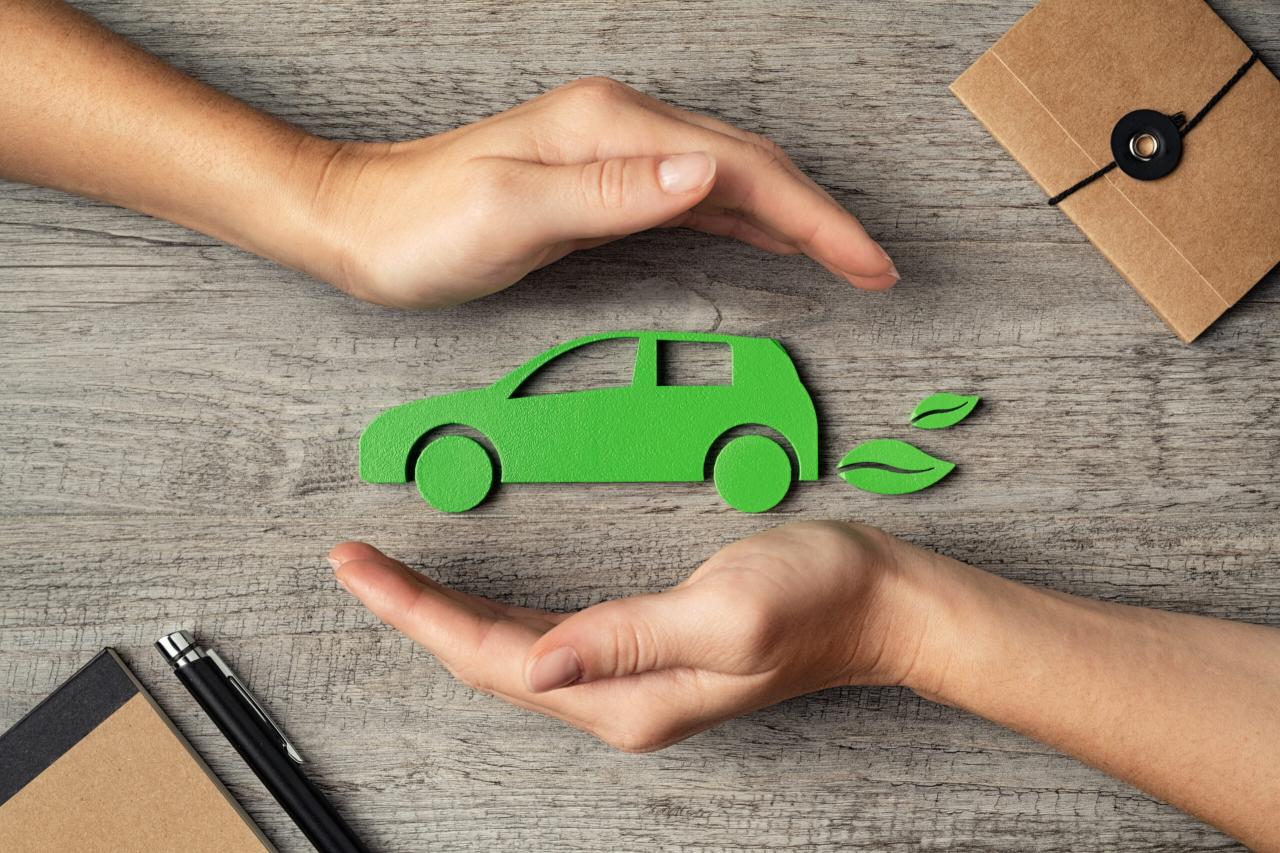
Digital technologies are indispensable tools in realizing a sustainable automotive future, providing the intelligence and connectivity needed for complex transformations.
A. Artificial Intelligence (AI) and Machine Learning (ML):
* Impact: Optimizes battery management systems for longer life and efficiency, predicts material demand for efficient recycling, optimizes supply chain logistics for lower emissions, and guides autonomous vehicles for fuel-efficient routes.
* Benefit: Enables predictive capabilities and real-time optimization for sustainable operations.
B. Internet of Things (IoT) and Sensors:
* Impact: Monitors energy consumption in factories, tracks component provenance in supply chains, and gathers data from vehicles to optimize maintenance and identify recycling opportunities.
* Benefit: Provides real-time data for informed decision-making and performance tracking.
C. Blockchain Technology:
* Impact: Creates transparent and immutable records for ethical sourcing of minerals, tracks the lifecycle of batteries for reuse/recycling, and verifies carbon offsets in supply chains.
* Benefit: Enhances trust, accountability, and traceability in complex value chains.
D. Digital Twin Technology:
* Impact: Creates virtual models of factories, vehicles, and urban mobility systems to simulate the environmental impact of changes, optimize designs for sustainability, and test new solutions before physical implementation.
* Benefit: Reduces waste in design and development, accelerates sustainable innovation, and optimizes resource use.
E. Advanced Data Analytics and Cloud Computing:
* Impact: Processes massive datasets on emissions, resource consumption, and supply chain performance to identify hotspots, track progress, and inform sustainability strategies.
* Benefit: Provides comprehensive insights for continuous improvement and compliance reporting.
Challenges and Future Trajectories for Sustainability
The path to a fully sustainable automotive future is fraught with challenges, requiring concerted effort and continued innovation.
A. Cost and Affordability of Sustainable Solutions:
* Challenge: The initial investment in sustainable technologies (e.g., EVs, advanced recycling infrastructure) can be higher, potentially impacting vehicle prices and consumer adoption, particularly in emerging markets.
* Solution: Government incentives, economies of scale as technologies mature, and innovative financing models.
B. Supply Chain Complexity and Ethical Sourcing:
* Challenge: Ensuring full transparency and ethical practices across vast, multi-tiered global supply chains for critical minerals remains a significant hurdle.
* Solution: Collaboration among industry players, robust third-party auditing, and the development of standardized responsible sourcing frameworks.
C. Recycling Infrastructure and Second-Life Applications:
* Challenge: Scaling up efficient and cost-effective battery recycling infrastructure globally and developing viable second-life applications for retired EV batteries.
* Solution: Public-private partnerships, R&D into more efficient recycling processes, and policy support for circular economy initiatives.
D. Energy Grid Decarbonization:
* Challenge: The sustainability benefits of EVs are maximized only if the electricity used for charging comes from renewable sources. Many grids still rely heavily on fossil fuels.
* Solution: Accelerating investment in renewable energy generation and smart grid technologies to integrate intermittent renewables.
E. Workforce Transformation and Skill Gaps:
* Challenge: Transitioning the automotive workforce from ICE-focused manufacturing and R&D to new skills required for EV production, battery technology, and software development.
* Solution: Retraining programs, educational partnerships, and strategic workforce planning.
F. Consumer Behavior and Awareness:
* Challenge: Educating consumers on the full lifecycle benefits of sustainable vehicles and encouraging shifts towards more sustainable mobility choices (e.g., public transport, shared mobility).
* Solution: Effective communication campaigns, user-friendly sustainable options, and incentivization.
G. Regulatory Consistency and Global Harmonization:
* Challenge: Diverse and sometimes conflicting regulations across different regions can complicate global strategies for sustainability.
* Solution: International cooperation and efforts to harmonize standards for emissions, materials, and end-of-life vehicle management.
H. Legacy Vehicle Fleets:
* Challenge: The vast number of existing ICE vehicles on the road will continue to contribute to emissions for decades, even with rapid new EV sales.
* Solution: Promoting sustainable fuels (e-fuels, biofuels) for existing fleets where feasible, and incentivizing the retirement of older, less efficient vehicles.
Conclusion
Automotive Sustainability signifies a move beyond incremental improvements to a holistic transformation, driven by an ethical commitment to the planet and a strategic vision for long-term viability. By embracing electrification, championing circular economy principles, ensuring responsible sourcing, and leveraging advanced digital technologies, the automotive sector is not just redesigning cars; it is redesigning its entire existence. This journey is complex, but its successful navigation is paramount not only for the industry’s own prosperity but also for the health of our planet and the well-being of future generations. The road ahead for sustainable automotive is challenging, but it is undeniably the only road worth taking.