
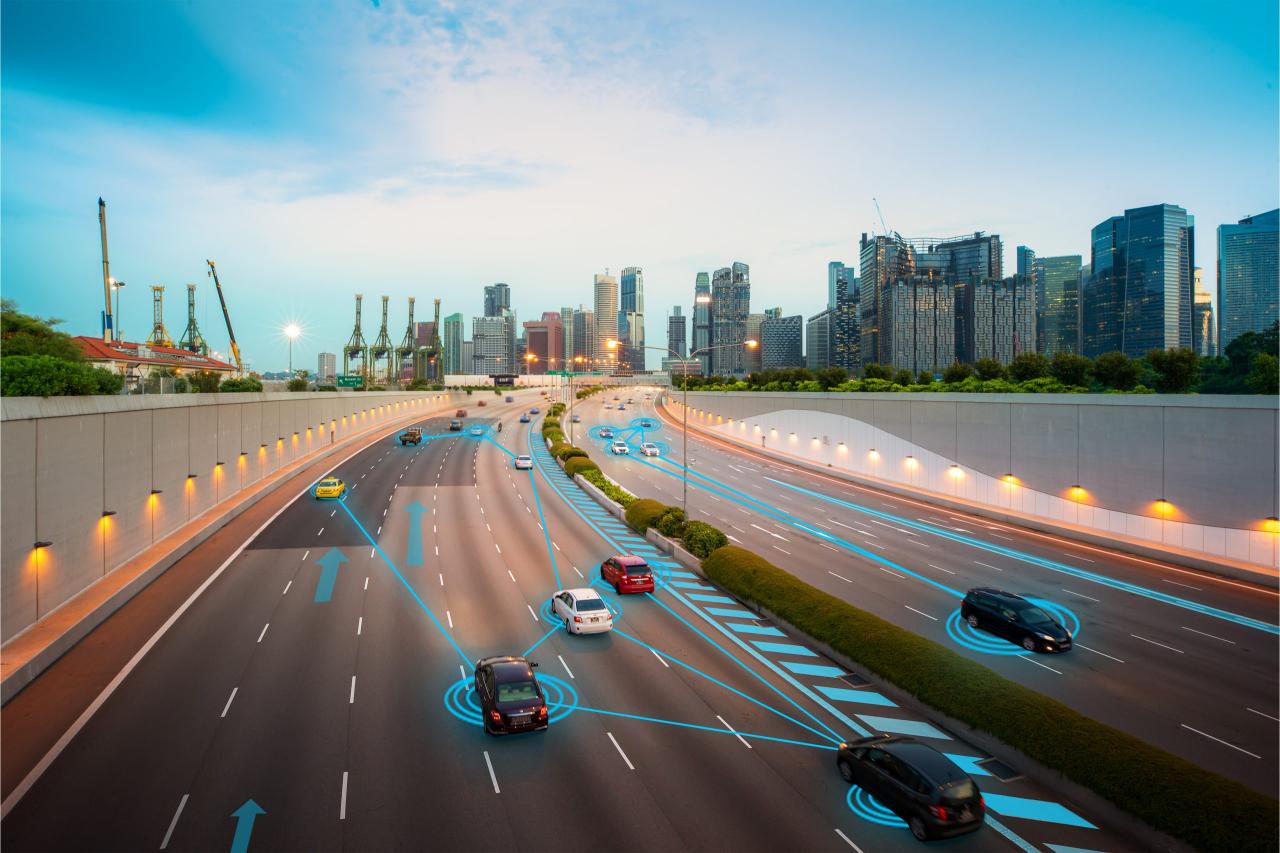
Our roadways, long static arteries of commerce and connection, are undergoing a revolutionary transformation. The phrase “Smart Road Infrastructure” signifies a dramatic shift from passive concrete and asphalt to dynamic, intelligent networks designed to optimize traffic flow, enhance safety, reduce environmental impact, and pave the way for autonomous vehicles. This isn’t merely about adding sensors; it’s about integrating advanced technologies – from artificial intelligence and real-time data analytics to sophisticated communication systems – directly into the very fabric of our transportation pathways.
As urban populations swell and the demand for efficient, safe, and sustainable mobility intensifies, smart roads are emerging as the indispensable backbone of future cities. This article will meticulously explore the multifaceted innovations propelling this evolution, detailing how interconnected systems, predictive intelligence, and active management are reshaping the fundamental experience of travel and unlocking unprecedented levels of efficiency and safety across our global road networks.
The Imperative for Intelligent Roadways

The transition to smart road infrastructure is no longer a luxury but a critical necessity, driven by an escalating array of challenges facing modern transportation systems worldwide.
A. Alleviating Traffic Congestion:
* Impact: Persistent traffic jams lead to immense economic losses in terms of lost productivity, wasted fuel, and delayed goods. They also cause significant driver frustration and stress.
* Challenge: Traditional road expansion often fails to keep pace with population growth and vehicle ownership, or it’s simply not feasible in dense urban environments. Smart roads offer dynamic solutions to optimize existing capacity.
B. Enhancing Road Safety:
* Impact: Human error remains the primary cause of road accidents, resulting in millions of injuries and fatalities globally each year. Adverse weather conditions further exacerbate these risks.
* Challenge: Proactively preventing collisions, warning drivers of hazards, and assisting autonomous vehicles require real-time, precise information about road conditions and traffic dynamics.
C. Reducing Environmental Impact:
* Impact: Stop-and-go traffic significantly increases fuel consumption and vehicle emissions, contributing to air pollution and climate change. Inefficient routing also adds to carbon footprints.
* Challenge: Optimizing traffic flow and promoting smoother driving through smart infrastructure can lead to substantial reductions in fuel waste and greenhouse gas emissions.
D. Enabling Autonomous Vehicle (AV) Deployment:
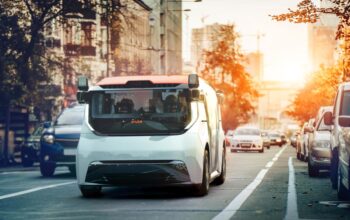
* Impact: While AVs are designed to operate independently, a smart road infrastructure can provide crucial supplementary data, enhance redundancy, and facilitate smoother, safer operation, especially in complex scenarios or adverse weather.
* Challenge: Providing a robust, reliable “digital layer” to support and enhance the capabilities of self-driving vehicles, accelerating their safe integration into mainstream traffic.
E. Improving Transportation Efficiency and Equity:
* Impact: Optimized traffic flow benefits commercial logistics, emergency services, and public transportation, leading to more reliable travel times. Equitable access to efficient transport enhances social mobility.
* Challenge: Maximizing the throughput of existing road networks and ensuring all road users benefit from improved mobility.
F. Supporting Electric Vehicle (EV) Adoption:
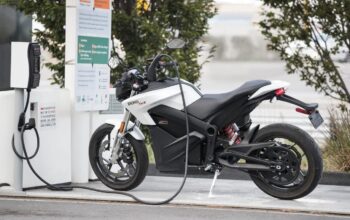
* Impact: As EV adoption grows, there’s a need for efficient charging solutions. Smart roads could potentially integrate dynamic wireless charging or provide real-time information on charger availability.
* Challenge: Seamlessly integrating charging solutions and supporting EV infrastructure within the road network itself.
Key Components and Innovations of Smart Road Infrastructure
The intelligence of smart roads stems from a sophisticated integration of sensing, communication, processing, and active management technologies.
A. Advanced Sensor Networks:
* Concept: Deploying a diverse array of sensors embedded in or alongside the roadway to collect real-time data on traffic conditions, environmental factors, and infrastructure health.
* Innovations:
* Inductive Loops/Magnetometers: Detect vehicle presence, speed, and volume.
* Traffic Cameras (AI-powered): Analyze traffic flow, detect incidents, classify vehicle types, and identify congestion patterns using computer vision.
* Radar/Lidar Sensors: Provide highly accurate speed detection, vehicle classification, and object detection, especially in adverse weather.
* Environmental Sensors: Monitor air quality, temperature, humidity, precipitation, and road surface conditions (e.g., ice, wetness).
* Structural Health Monitoring Sensors: Embedded in bridges and pavement to detect cracks, deformation, and wear, enabling proactive maintenance.
* Impact: Provides a comprehensive, real-time “nervous system” for the road network, delivering crucial data for intelligent decision-making.
B. High-Speed Communication Systems:
* Concept: Enabling seamless, low-latency data exchange between vehicles (V2V), vehicles and infrastructure (V2I), and infrastructure to central management systems.
* Innovations:
* 5G Cellular Technology: Provides the high bandwidth and ultra-low latency necessary for massive data transfer and real-time critical communications (e.g., for AVs).
* Dedicated Short-Range Communications (DSRC): A Wi-Fi-based protocol specifically designed for V2X communications, offering reliable, secure communication in vehicle environments.
* Cellular V2X (C-V2X): Leverages cellular networks (like 4G LTE and 5G) for V2X communication, potentially integrating with existing cellular infrastructure.
* Fiber Optic Networks: Provides the high-capacity backbone for transmitting data from sensors and cameras to processing centers.
* Impact: Creates a highly interconnected ecosystem, allowing vehicles and infrastructure to “talk” to each other, enabling collaborative safety features and traffic optimization.
C. Intelligent Traffic Management Systems (ITMS):
* Concept: Centralized or decentralized systems that use real-time data to dynamically manage traffic flow, respond to incidents, and optimize network performance.
* Innovations:
* Adaptive Traffic Signals: Traffic lights that adjust their timing based on real-time traffic demand, reducing wait times and congestion.
* Ramp Metering: Regulating the flow of vehicles onto highways during peak hours to prevent bottlenecks.
* Dynamic Lane Management: Variable message signs and overhead gantries to open/close lanes, designate reversible lanes, or advise on speed limits based on conditions.
* Incident Detection and Response: Automated systems that quickly detect accidents, disabled vehicles, or debris, triggering alerts and dispatching emergency services.
* Predictive Modeling: Using AI and historical data to forecast congestion and proactively implement mitigation strategies.
* Impact: Significantly reduces congestion, improves travel times, enhances road safety by responding to incidents rapidly, and makes road networks more resilient.
D. Integrated Data Analytics and Artificial Intelligence (AI):
* Concept: Processing vast quantities of data from sensors and vehicles using AI and machine learning algorithms to extract actionable insights, predict patterns, and make automated decisions.
* Innovations:
* Predictive Congestion Analysis: AI models learning from historical and real-time data to forecast where and when congestion will occur, allowing for proactive adjustments.
* Optimized Routing for Fleets: AI-driven optimization for public transport, delivery services, and ride-hailing to minimize travel times and fuel consumption.
* Accident Prediction: Identifying risk factors and potential accident hotspots based on real-time conditions and historical data.
* Machine Vision for Anomaly Detection: AI analyzing camera feeds to identify unusual events (e.g., pedestrian jaywalking, sudden stops, illegal parking).
* Impact: Transforms raw data into intelligent actions, enabling highly efficient, responsive, and foresightful management of transportation networks.
E. Dynamic Messaging and Information Systems:
* Concept: Providing real-time, relevant information to drivers and road users through various channels.
* Innovations:
* Variable Message Signs (VMS): Digital signs displaying warnings, travel times, route diversions, or parking availability.
* Smartphone Apps: Integrating real-time traffic data, public transit schedules, micromobility availability, and personalized routing.
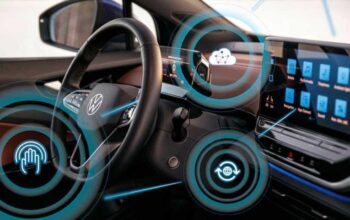
* In-Vehicle Information Systems: Directly communicating road conditions, hazards, and speed limit changes to connected vehicles.
* Augmented Reality (AR) Displays: Potentially projecting dynamic road information directly onto the driver’s view.
* Impact: Empowers road users to make informed decisions, optimizes individual travel, and enhances overall journey experience.
Advanced Concepts and Future Potentials of Smart Road Infrastructure
The evolution of smart roads extends beyond current implementations, with exciting potentials on the horizon.
A. Wireless EV Charging Lanes:
* Concept: Embedding inductive charging coils beneath road surfaces to wirelessly charge electric vehicles as they drive over them.
* Advantages: Eliminates range anxiety, reduces the need for stationary charging stations, and enables smaller EV batteries, reducing vehicle weight.
* Impact: Could revolutionize EV adoption and infrastructure, making electric travel seamless.
B. Solar Roadways:
* Concept: Integrating solar panels into road surfaces to generate renewable energy, which could power roadside infrastructure, EV charging, or feed into the grid.
* Advantages: Clean energy generation from existing infrastructure, potential for self-powered roads.
* Impact: Contributes to energy independence and decarbonization of the transportation sector.
C. Pavement Condition Monitoring and Self-Healing Materials:
* Concept: Using embedded sensors to continuously monitor road surface integrity and potentially developing materials that can autonomously detect and repair minor damage (e.g., self-healing asphalt).
* Advantages: Reduces maintenance costs, extends road lifespan, and minimizes traffic disruptions due to repairs.
* Impact: Creates more durable and resilient road networks with less human intervention.
D. Vehicle-Agnostic Communication for AVs:
* Concept: Ensuring that smart infrastructure can seamlessly communicate with all types of autonomous vehicles, regardless of manufacturer or specific AV technology.
* Advantages: Promotes interoperability, enhances safety across diverse AV fleets, and accelerates widespread AV deployment.
* Impact: Essential for a cohesive future where human-driven and autonomous vehicles share the same infrastructure.
E. Cybersecurity for Road Infrastructure:
* Concept: Protecting smart road systems from cyber threats, including hacking, data manipulation, and denial-of-service attacks.
* Advantages: Ensures the reliability and integrity of critical transportation systems, preventing malicious interference that could lead to accidents or chaos.
* Impact: A foundational element for trusting and relying on intelligent roadways.
F. Integrated Logistics and Goods Delivery:
* Concept: Optimizing commercial vehicle routing and last-mile delivery through real-time traffic data and demand forecasting, potentially involving autonomous delivery vehicles or drones.
* Advantages: Reduces delivery times, lowers fuel consumption for commercial fleets, and alleviates urban congestion caused by logistics.
* Impact: Enhances economic efficiency and sustainability of urban supply chains.
Challenges and Implementation Hurdles for Smart Roads
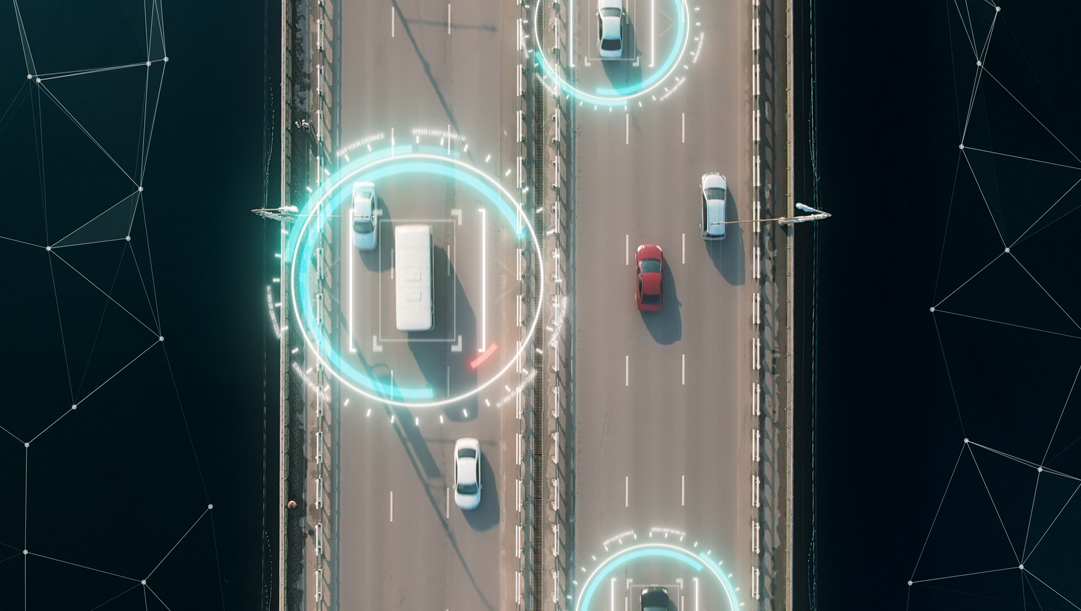
Despite their immense potential, the widespread deployment of smart road infrastructure faces significant technical, economic, and social challenges.
A. High Initial Investment Costs:
* Challenge: The capital expenditure required to install extensive sensor networks, communication infrastructure, and advanced ITMS systems is substantial. Retrofitting existing roads is particularly expensive.
* Solution: Phased implementation, public-private partnerships, innovative funding models (e.g., congestion pricing revenue, infrastructure bonds), and demonstrating clear ROI.
B. Data Management and Privacy Concerns:
* Challenge: Smart roads generate enormous volumes of data, raising concerns about data storage, security, ownership, and individual privacy (e.g., vehicle tracking, facial recognition from cameras).
* Solution: Robust data governance frameworks, anonymization techniques, strict privacy policies, and transparent communication with the public.
C. Cybersecurity Vulnerabilities:
* Challenge: As critical infrastructure, smart roads are attractive targets for cyberattacks, which could disrupt traffic, create chaos, or even be exploited for malicious purposes.
* Solution: Implementing “secure by design” principles, continuous vulnerability assessments, robust intrusion detection systems, and dedicated cybersecurity teams for infrastructure.
D. Interoperability and Standardization:
* Challenge: Ensuring that different manufacturers’ vehicles, sensor technologies, and communication protocols can seamlessly interact with each other and with infrastructure components. Lack of standards can lead to fragmentation.
* Solution: International standardization efforts, open platforms, and collaborative development among industry players and governments.
E. Maintenance and Longevity:
* Challenge: Ensuring the long-term reliability and cost-effective maintenance of embedded sensors, electronics, and communication equipment in harsh road environments (e.g., extreme temperatures, vibrations, heavy loads).
* Solution: Developing robust, durable, and easily maintainable components, and integrating predictive maintenance through sensor data.
F. Regulatory Framework and Legal Liability:
* Challenge: Developing appropriate regulatory frameworks for smart roads, especially concerning data sharing, liability in case of system failure, and the integration of autonomous vehicles.
* Solution: Agile regulatory bodies, pilot programs in controlled environments, and international collaboration to establish harmonized laws.
G. Public Acceptance and Education:
* Challenge: Gaining public trust and acceptance for new technologies like smart intersections, dynamic pricing, and data collection requires clear communication of benefits and addressing concerns.
* Solution: Public engagement campaigns, demonstration projects, and transparent explanations of how data is used to improve mobility.
H. Scalability and Retrofitting Existing Infrastructure:
* Challenge: Scaling pilot projects to city-wide or national deployments, and effectively retrofitting existing, often aging, road infrastructure with new smart technologies.
* Solution: Modular design, cost-effective deployment strategies, and prioritizing high-impact corridors.
Conclusion
The headline “Smart Roads: Future Infrastructure Now” boldly declares the present reality of an evolving transportation landscape. It represents a paradigm shift from passive infrastructure to active, intelligent networks that learn, adapt, and communicate. By leveraging the power of sensors, communication technologies, artificial intelligence, and data analytics, smart roads promise a future of significantly reduced congestion, enhanced safety, minimized environmental impact, and seamless support for the coming wave of autonomous mobility. The challenges are substantial, but the imperative for more efficient, sustainable, and equitable transportation systems makes the widespread adoption of intelligent road infrastructure not just a vision, but a critical roadmap for the future of our urbanized world.