
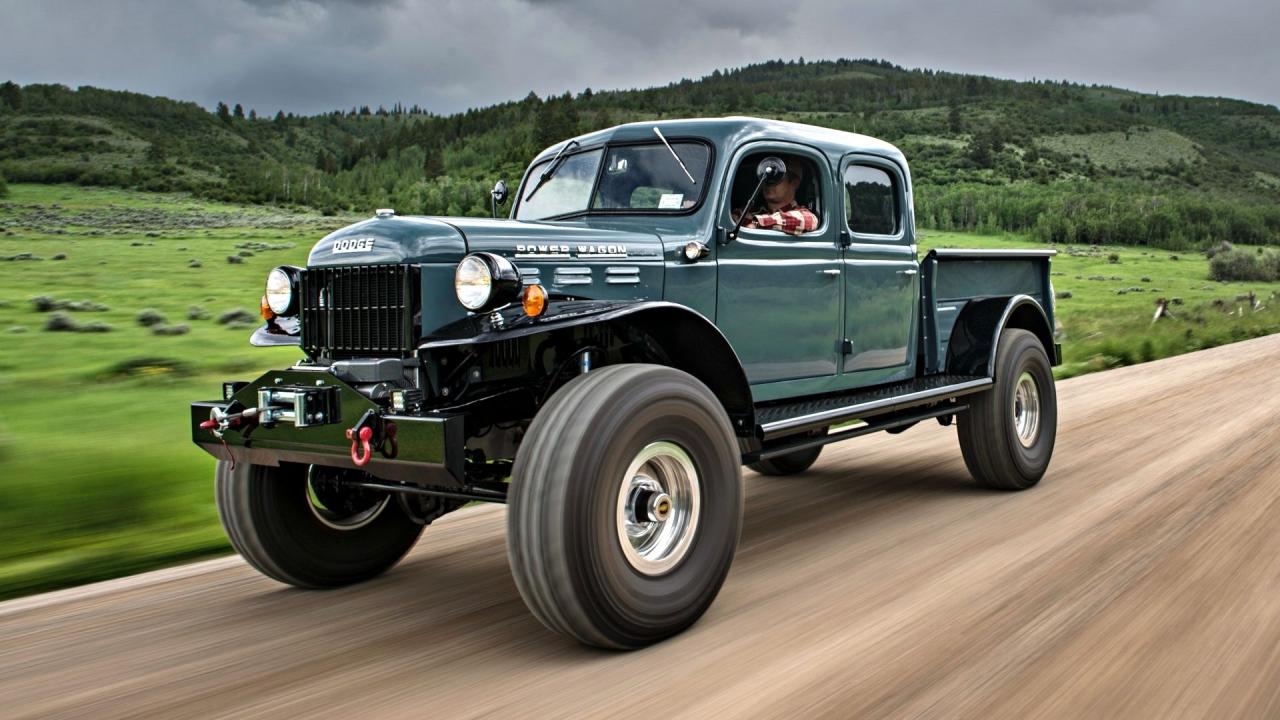
The pickup truck, once a utilitarian workhorse primarily confined to farms and construction sites, has undergone an extraordinary metamorphosis. The phrase “Pickup Truck Evolutions” perfectly encapsulates a dramatic shift that has seen these robust vehicles transform into sophisticated, multi-purpose machines equally at home hauling heavy loads, navigating urban commutes, or embarking on family road trips. This isn’t just about incremental improvements; it’s a profound redefinition of their role, driven by technological advancements, evolving consumer demands, and a relentless pursuit of versatility.
From their humble beginnings to their current status as segment leaders, modern pickups now offer unprecedented levels of power, comfort, safety, and digital integration. This article will meticulously explore the key innovations and market forces that have propelled pickup trucks into the mainstream, examining how they’ve adapted to become indispensable tools for work and leisure alike.
The Shifting Role of Pickup Trucks
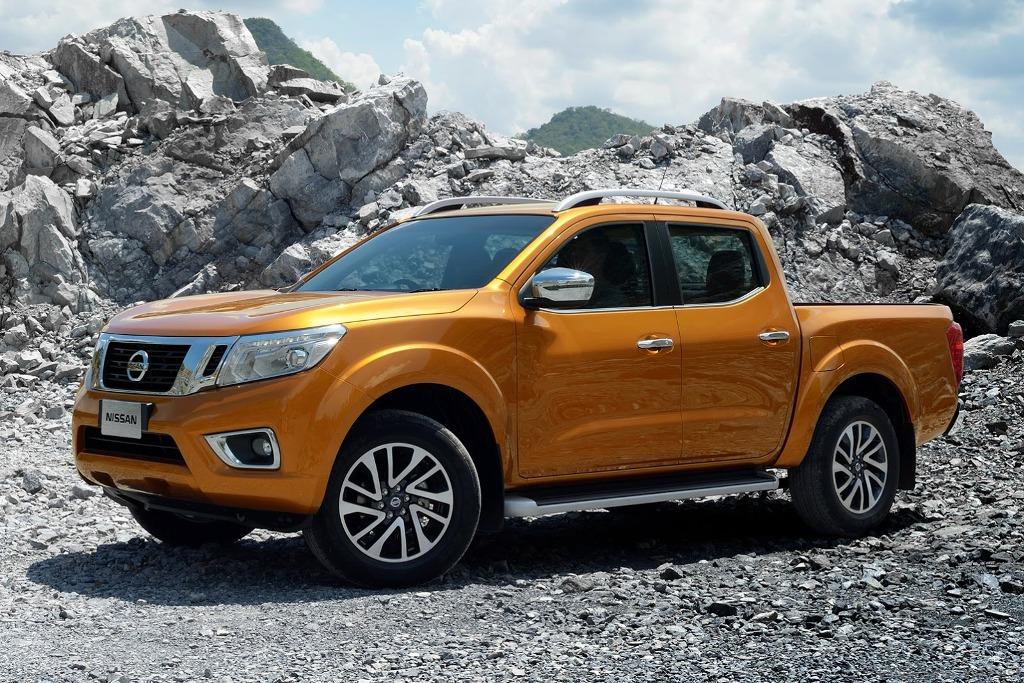
The journey of the pickup truck from a niche agricultural or industrial vehicle to a global bestseller and family hauler is a testament to its adaptability and the automotive industry’s response to changing consumer needs.
A. Early Utility Focus:
* Historical Context: For much of the 20th century, pickup trucks were designed almost exclusively for commercial or agricultural use. They prioritized durability, payload capacity, and towing capability above all else. Comfort was minimal, features were sparse, and styling was purely functional.
* Impact: This era established the pickup’s reputation as a rugged and reliable work tool, indispensable for specific trades.
B. Emergence of Personal Use:
* Driver: As economies grew and leisure activities became more common, consumers began to appreciate the versatility of pickups for personal tasks, such as hauling recreational gear, moving household items, or off-road adventures.
* Impact: This subtle shift pushed manufacturers to consider offering slightly more comfortable interiors and a broader range of options, signaling the start of their evolution beyond pure utility.
C. The Crew Cab Revolution:
* Driver: The introduction and widespread adoption of the four-door crew cab configuration was perhaps the single most significant factor in transforming the pickup into a viable family vehicle. It offered seating for five or six passengers with ample legroom, mirroring the practicality of a large SUV.
* Impact: This configuration opened the market to families, making pickups attractive alternatives to minivans and SUVs, particularly in North America, where their popularity surged.
D. Luxury and Lifestyle Integration:
* Driver: As pickups became family-friendly, consumers demanded more creature comforts and luxury features traditionally found in high-end sedans or SUVs.
* Impact: This led to the proliferation of premium trim levels, plush interiors, advanced infotainment systems, and refined driving dynamics, blurring the lines between work vehicle and luxury transport.
E. Electric Powertrain Adoption:
* Driver: The global push for electrification and the demand for more sustainable transportation options have now extended to the pickup segment.
* Impact: Electric pickups promise not only zero tailpipe emissions but also unprecedented torque, silent operation, and innovative features like mobile power outlets, fundamentally redefining their utility and performance.
Powering the Evolution
The heart of any pickup truck is its powertrain, and this area has seen some of the most dramatic “Pickup Truck Evolutions.” From traditional gasoline and diesel engines to sophisticated hybrids and all-electric systems, efficiency and power have increased dramatically.
A. Advanced Internal Combustion Engines (ICE):
* Innovation: Modern gasoline engines (V6 and V8) feature direct injection, variable valve timing, cylinder deactivation (for V8s), and turbocharging/supercharging. Diesel engines have become much cleaner and more powerful, with advanced emissions control systems.
* Advantages: High towing and payload capacities, widespread fueling infrastructure, proven reliability.
* Impact: While still dominant, these engines are continuously refined for better fuel economy and reduced emissions, prolonging their relevance.
B. Hybrid Powertrains:
* Innovation: Integrating electric motors and battery packs with traditional gasoline engines. This can range from mild hybrids (small electric assist) to full hybrids (significant electric-only driving at low speeds) and plug-in hybrids (larger batteries for extended EV range).
* Examples: Ford F-150 PowerBoost Hybrid, Toyota Tundra i-FORCE MAX.
* Advantages: Improved fuel economy (especially in city driving), instant electric torque boost for acceleration and towing, onboard power generation for tools or camping.
* Impact: Offers a bridge solution for consumers seeking better efficiency and utility without committing to a full EV, dramatically improving the real-world efficiency of large trucks.
C. All-Electric Powertrains:
* Innovation: Utilizing large battery packs and powerful electric motors to provide propulsion, eliminating tailpipe emissions. Often features dual or quad motor setups for advanced AWD and immense power.
* Examples: Ford F-150 Lightning, Rivian R1T, Chevrolet Silverado EV, Tesla Cybertruck (upcoming), GMC Hummer EV.
* Advantages:
* Instant Torque: Unmatched acceleration and pulling power from 0 RPM, ideal for towing and off-roading.
* Zero Emissions: No tailpipe pollution, contributing to cleaner air.
* Onboard Power: Ability to power homes, tools, or campsites with substantial wattage.
* Lower Running Costs: Cheaper “fuel” (electricity) and reduced maintenance.
* Quiet Operation: A quieter, smoother driving experience.
* Impact: The most disruptive evolution, fundamentally changing performance characteristics and opening new use cases, while challenging the traditional pickup ownership experience.
Chassis and Suspension
Beyond brute strength, modern pickups deliver a driving experience that rivals passenger cars, thanks to sophisticated chassis and suspension developments.
A. Advanced Frame and Body Construction:
* Innovation: Use of high-strength steel alloys, aluminum (e.g., Ford F-150’s aluminum body), and even composites to create lighter yet stiffer frames. This reduces overall vehicle weight while enhancing rigidity and crashworthiness.
* Impact: Improves fuel economy, increases payload/towing capacity, and enhances safety.
B. Independent Rear Suspension (IRS):
* Innovation: Moving away from traditional solid rear axles to independent rear suspension setups in some models (e.g., Ram 1500, Rivian R1T, Ford F-150 Lightning).
* Advantages: Significantly improves ride comfort, handling, and stability, especially when unladen or over uneven terrain, by allowing each wheel to react independently.
* Impact: A major contributor to the “car-like” driving dynamics found in modern pickups, enhancing passenger comfort.
C. Adaptive Dampers and Air Suspension:
* Innovation: Electronically controlled suspension systems that can adjust damping rates in real-time or alter ride height (air springs).
* Advantages: Provides a wide range of ride characteristics, from plush comfort to firm control for towing. Can automatically level the truck under load and improve aerodynamics at highway speeds.
* Examples: Ram 1500 (Air Suspension), Ford F-150 Raptor (Fox Live Valve shocks), GMC Hummer EV (Adaptive Air Suspension).
* Impact: Delivers superior ride quality and greater versatility for various driving conditions and loads.
D. Four-Corner Air Suspension:
* Innovation: Full air suspension at all four wheels provides dynamic ride height adjustment, load leveling, and improved off-road articulation.
* Advantages: Enhances comfort, enables easy hitching for trailers, improves off-road ground clearance, and can lower the vehicle for easier entry/exit.
* Examples: Rivian R1T, GMC Hummer EV.
* Impact: A premium feature that vastly expands the comfort and capability envelope of modern pickups.
Interior Comfort and Technology
The cabin of a modern pickup is unrecognizable from its predecessors, now serving as a highly connected, luxurious, and technologically advanced space.
A. Large Touchscreen Infotainment Systems:
* Innovation: Dominant central touchscreens (often 12-inch or larger, even vertical screens up to 17 inches) integrating navigation, media, vehicle settings, and smartphone connectivity (Apple CarPlay, Android Auto).
* Impact: Provides intuitive control over a vast array of features, enhancing convenience and connectivity.
B. Digital Gauge Clusters:
* Innovation: Customizable digital displays replace traditional analog gauges, offering reconfigurable information, navigation prompts, and off-road data directly in the driver’s line of sight.
* Impact: Allows drivers to prioritize critical information and personalize their cockpit experience.
C. Advanced Driver-Assistance Systems (ADAS):
* Innovation: A comprehensive suite of safety and convenience features, including adaptive cruise control, lane-keeping assist, automatic emergency braking, blind-spot monitoring, and surround-view cameras.
* Examples: Ford BlueCruise (hands-free highway driving), GM Super Cruise.
* Impact: Significantly enhances safety, reduces driver fatigue on long journeys, and makes maneuvering large vehicles easier.
D. Luxury Appointments and Ergonomics:
* Innovation: Premium materials (leather, open-pore wood, genuine metals), heated/ventilated/massaging seats, extensive sound deadening, and sophisticated climate control systems. Ergonomic design for easy access to controls and ample storage.
* Impact: Transforms the pickup cabin into a genuinely comfortable and luxurious environment, appealing to high-end buyers.
E. Integrated Work Features:
* Innovation: Built-in generators (Pro Power Onboard in F-150 Lightning), reconfigurable bed systems (RamBox, Multi-Function Tailgate), integrated measuring tools, and even flat interior surfaces for laptop use (Ford’s Interior Work Surface).
* Impact: Directly caters to the professional user, enhancing productivity and versatility on job sites or during outdoor activities.
F. Over-the-Air (OTA) Updates:
* Innovation: The ability to wirelessly update vehicle software, improving performance, adding features, and enhancing cybersecurity without a trip to the dealership.
* Impact: Ensures the truck remains current throughout its lifespan, potentially unlocking new capabilities or improving existing ones.
Off-Road Prowess
While comfort and tech have grown, the pickup truck’s off-road capabilities have also advanced significantly, catering to a burgeoning adventure lifestyle.
A. Advanced Four-Wheel Drive Systems:
* Innovation: Electronically controlled 4WD systems with multiple modes (e.g., 2WD, Auto 4WD, 4-High, 4-Low), specialized transfer cases, and locking differentials (front and rear).
* Impact: Provides superior traction and control in challenging off-road conditions.
B. Terrain Management Systems:
* Innovation: Pre-programmed drive modes that optimize powertrain, traction control, and transmission settings for specific terrains like mud, sand, rock, or snow.
* Examples: Ford’s Terrain Management System, Ram’s Off-Road Pages.
* Impact: Makes off-roading more accessible and confident for a wider range of drivers.
C. Off-Road Specific Suspension and Tires:
* Innovation: Long-travel suspension systems (e.g., Fox Racing shocks), reinforced control arms, and larger, more aggressive all-terrain or mud-terrain tires.
* Examples: Ford F-150 Raptor, Ram 1500 TRX.
* Impact: Enhances ground clearance, wheel articulation, and grip over extreme obstacles.
D. Off-Road Camera Systems:
* Innovation: Multiple exterior cameras providing surround views, under-vehicle views, and trailer guidance views to assist drivers in navigating tight trails or obstacles.
* Impact: Improves visibility and situational awareness in challenging off-road or towing scenarios.
E. Trail-Specific Features:
* Innovation: Features like Trail Control (off-road cruise control), One-Pedal Drive (for EVs, enhancing off-road control), and disconnectable sway bars (for increased articulation).
* Impact: Simplifies complex off-road maneuvers and enhances control.
The Impact of Pickup Truck Evolutions on the Market
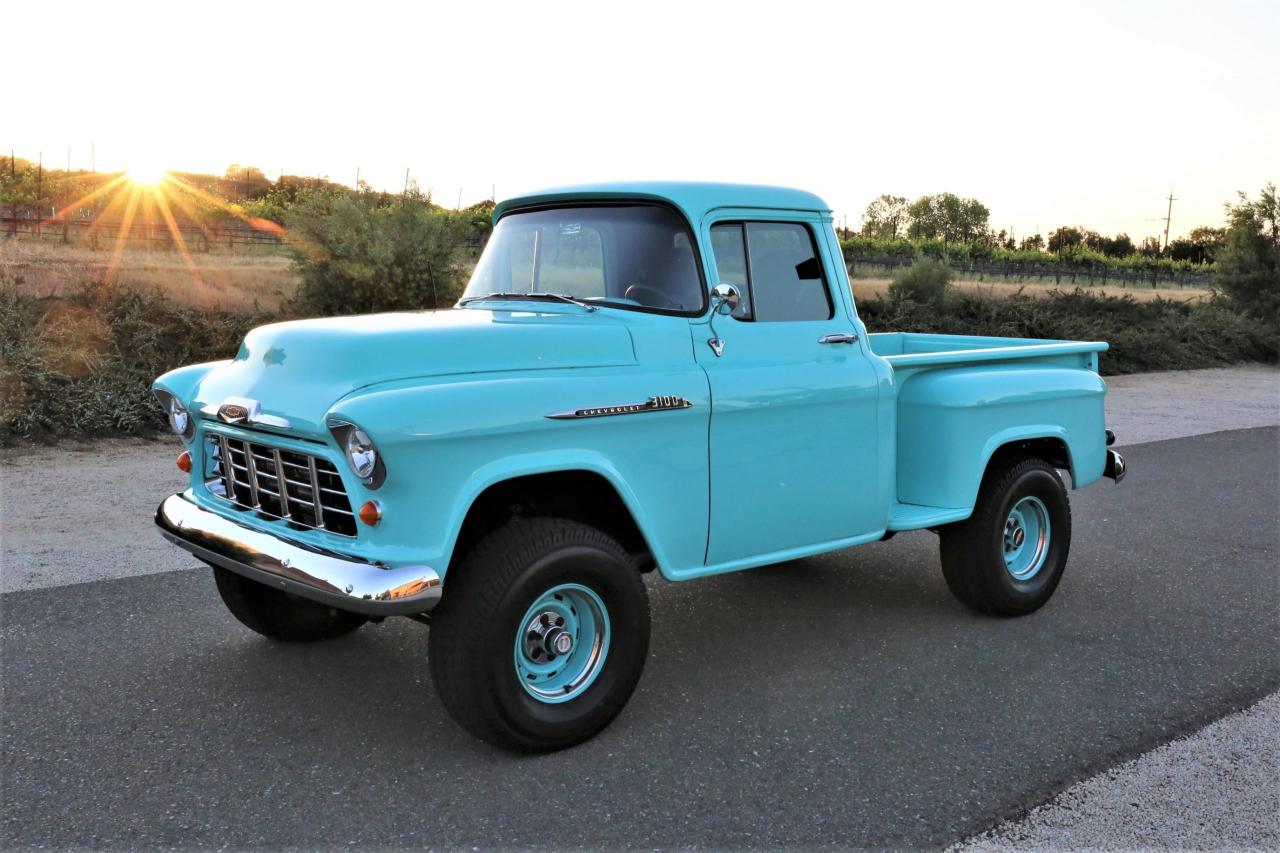
The transformation of the pickup truck has had profound effects on the automotive market and consumer behavior.
A. Increased Market Share and Profitability:
* Impact: Pickups now consistently rank among the best-selling vehicles globally, especially in North America. Their high average transaction prices and strong profit margins are crucial for automakers’ financial health.
* Driver: The move upmarket with luxury features and higher trim levels.
B. Diversification of Buyer Demographics:
* Impact: No longer just for blue-collar workers, pickups are now bought by families, adventure enthusiasts, urban dwellers seeking a versatile vehicle, and luxury buyers.
* Driver: Crew cab availability, enhanced comfort, and sophisticated styling.
C. Competition with SUVs:
* Impact: Modern pickups with crew cabs and luxury interiors directly compete with large SUVs, offering similar passenger capacity and features but with the added utility of an open bed.
* Driver: The versatility of a truck combined with SUV-like comfort.
D. Global Market Penetration:
* Impact: While historically strong in North America, pickup popularity is growing in other markets like Southeast Asia, Australia, and parts of South America, adapting to regional preferences.
* Driver: Demand for robust, versatile vehicles suited to diverse terrains and commercial needs.
E. Leading Edge of Automotive Innovation:
* Impact: Due to their size, market importance, and price points, pickups are often early adopters of advanced powertrains (hybrid, EV), ADAS technologies, and sophisticated infotainment systems before they trickle down to smaller vehicles.
* Driver: Automakers invest heavily in their most profitable and high-volume models.
Challenges and Future Trajectories for Pickup Trucks
Despite their immense success, pickup trucks face evolving challenges and are poised for further significant transformations.
A. Fuel Economy and Emissions Regulations:
* Challenge: Traditional large pickups face increasing pressure from strict global fuel economy and emissions standards. This is a primary driver for electrification and hybridization.
* Solution: Continuous refinement of ICE technology, widespread adoption of hybrids, and the accelerating transition to EVs.
B. Weight and Size Constraints (Urbanization):
* Challenge: The growing size and weight of full-size pickups can make them challenging to maneuver and park in increasingly dense urban environments.
* Solution: The emergence of smaller, mid-size and compact “lifestyle” pickups (e.g., Ford Maverick, Hyundai Santa Cruz) offering better urban maneuverability while retaining some utility.
C. Charging Infrastructure for Electric Pickups:
* Challenge: The large battery packs of electric pickups require robust and widely available fast-charging infrastructure, especially for long-distance towing or remote work sites.
* Solution: Massive investments in public and private charging networks, and potential integration with smart grid technologies.
D. Cost of Advanced Technology:
* Challenge: The integration of luxury features, complex ADAS, and advanced electric powertrains significantly increases the purchase price of modern pickups, making them less accessible to some buyers.
* Solution: Development of more affordable EV platforms and hybrid options, as well as a continued market for more basic work-oriented trims.
E. Sustainability of Materials and Manufacturing:
* Challenge: The sheer size and material demands of pickup trucks raise concerns about their overall environmental footprint beyond tailpipe emissions.
* Solution: Greater use of recycled content, bio-based materials, and more sustainable manufacturing processes.
F. Cybersecurity for Connected Pickups:
* Challenge: As pickups become increasingly connected “computers on wheels,” they face growing cybersecurity risks to their software, data, and critical systems.
* Solution: Implementing robust “secure by design” principles, OTA updates for security patches, and continuous vulnerability management.
G. Autonomous Driving Integration:
* Challenge: While Level 2+ ADAS is becoming common, full Level 4/5 autonomous driving for pickups, especially with diverse loads and trailers, presents immense technical and regulatory complexities.
* Solution: Phased rollout, specialized autonomous driving systems for commercial fleets first, and robust testing in varied conditions.
Conclusion
The headline “Pickup Truck Evolutions” signifies more than just cosmetic changes; it represents a fundamental re-engineering of a vehicle segment. From a utilitarian niche to a symbol of versatility, comfort, and advanced technology, the pickup truck has consistently adapted to meet and exceed expectations. Its journey highlights the automotive industry’s capacity for innovation and its responsiveness to consumer demands. As electric powertrains become standard, autonomous features proliferate, and connectivity becomes seamless, the pickup truck is set to remain a dominant and continually evolving force on roads worldwide, cementing its position not just as a tool, but as a sophisticated and indispensable companion for the modern era.