
In an automotive landscape increasingly dominated by SUVs and crossovers, the headline “Luxury Sedan Sales Soar” might initially seem counter-intuitive. Yet, this is precisely the dynamic currently unfolding in key global markets, signaling a remarkable resurgence for a segment that many had prematurely declared obsolete. This isn’t a mere statistical blip; it represents a profound shift in consumer preferences, driven by a confluence of factors including technological advancements, evolving design philosophies, a renewed appreciation for driving dynamics, and a subtle but significant pivot away from the ubiquity of utility vehicles. This article delves into the multi-faceted reasons behind this unexpected ascendancy, exploring the innovations and market forces that are propelling luxury sedans back into the spotlight.
The Enduring Allure of the Luxury Sedan
For decades, the luxury sedan has stood as the quintessential symbol of success, sophistication, and refined taste. Its long, low, and elegant profile, coupled with a focus on ride comfort, advanced technology, and powerful engines, made it the preferred choice for executives, diplomats, and discerning individuals worldwide. While the SUV craze temporarily overshadowed this classic, the underlying appeal never truly vanished. The recent surge indicates a rediscovery of these intrinsic values, amplified by contemporary innovations.
A. Timeless Aesthetics and Proportions: * Sedans inherently possess a balanced, elegant silhouette that SUVs, by their very nature, often struggle to achieve. The lower center of gravity allows for sleeker lines and more graceful profiles. * Impact: In a crowded market of similar-looking SUVs, the distinctive and sophisticated appearance of a luxury sedan offers a refreshing alternative, appealing to those who prioritize style and prestige.
B. Superior Driving Dynamics: * With a lower center of gravity, sedans typically offer a more engaging, precise, and comfortable driving experience compared to taller SUVs. They exhibit less body roll in corners, provide better aerodynamic efficiency, and often have a more direct connection to the road. * Impact: For enthusiasts and those who truly enjoy driving, the inherent driving prowess of a well-engineered luxury sedan remains unmatched, providing a tangible benefit over its SUV counterparts.
C. Refinement and Ride Comfort: * The structural rigidity and suspension tuning of sedans are often optimized for superior ride comfort and reduced noise, vibration, and harshness (NVH) levels. This creates a quieter, more serene cabin environment. * Impact: For long commutes or highway cruising, the tranquil and composed ride of a luxury sedan offers a sanctuary from the outside world, a key selling point for a discerning clientele.
D. Security and Discretion: * In certain markets, particularly those with a strong emphasis on privacy and security for high-profile individuals, the discreet yet commanding presence of a luxury sedan (often chauffeur-driven) is preferred over the more conspicuous nature of large SUVs. * Impact: This niche, but influential, segment of buyers continues to fuel demand for top-tier luxury sedans.
Key Drivers Behind the Current Resurgence
The current upward trend in luxury sedan sales is not merely a nostalgic echo but a response to deliberate advancements and shifting market dynamics:
A. Electrification as a Design Enabler: * The advent of electric powertrains (BEVs) has liberated designers from the constraints of traditional engine bays and transmission tunnels. The “skateboard” platform, where batteries are integrated into the floor, allows for significantly more interior space and enables a completely flat floor. * Design Impact: This has led to the creation of “electric sedans” that defy conventional proportions, offering vast interiors, short overhangs, and highly aerodynamic profiles. This redefines what a sedan can be, making it more appealing to a broader audience. The Mercedes-Benz EQS, Lucid Air, and Tesla Model S are prime examples.
B. Technological Arms Race in the Cabin: * Luxury sedans are often the first to showcase groundbreaking automotive technology, acting as mobile showrooms for advanced features. * Innovations: Massive, high-resolution digital displays (e.g., Mercedes-Benz Hyperscreen), sophisticated infotainment systems, advanced voice control, augmented reality head-up displays, and immersive audio systems (e.g., Burmester, Bowers & Wilkins). Connectivity features like 5G integration, over-the-air (OTA) updates, and advanced navigation are now standard. * Impact: These cutting-edge technologies create an unparalleled user experience, making the cabin a highly desirable “third space” beyond home and office.
C. Sophisticated Driver-Assistance Systems (ADAS) and Autonomous Features: * Luxury sedans are at the forefront of implementing advanced Level 2 and even Level 3 autonomous driving capabilities. * Features: Adaptive cruise control with sophisticated lane centering, hands-free driving on highways (e.g., GM Super Cruise, Ford BlueCruise), advanced parking assist, and even conditional autonomous driving in specific traffic scenarios (e.g., Mercedes-Benz DRIVE PILOT). * Impact: These systems enhance comfort, reduce driver fatigue, and significantly improve safety, appealing to buyers who value cutting-edge convenience and security.
D. Renewed Focus on Interior Luxury and Comfort: * Manufacturers are investing heavily in creating truly opulent and comfortable interior environments. * Innovations: Exquisite materials (fine leathers, open-pore wood, carbon fiber, aluminum, sustainable fabrics), advanced climate control with air purification, massage functions for all seats, heated and ventilated seating, and meticulous attention to fit and finish. Noise cancellation technologies contribute to an exceptionally quiet cabin. * Impact: The interior becomes a sanctuary, a calm and luxurious space for occupants, reinforcing the perception of ultimate comfort.
E. Performance and Powertrain Diversity: * While electrification is growing, luxury sedans still offer a wide range of potent powertrains, from highly efficient hybrids to exhilarating high-performance gasoline engines, and now, incredibly powerful electric motors. * Impact: This diversity caters to varied preferences, ensuring there’s a luxury sedan for every driving style, from serene cruising to track-day performance. The instant torque of electric sedans often surpasses that of their ICE counterparts, offering thrilling acceleration.
F. Brand Loyalty and Prestige: * Established luxury brands (Mercedes-Benz, BMW, Audi, Lexus, Porsche, Genesis, Cadillac, etc.) have cultivated decades of brand loyalty associated with their flagship sedans. * Impact: For many, the badge on a luxury sedan continues to represent a pinnacle of achievement and social status, a powerful intangible asset that SUVs struggle to replicate in the same way.
Geographic Hotspots of Sedan Resurgence
While the trend is global, certain markets are particularly influential in this luxury sedan revival:
A. China: * The largest automotive market in the world, China has a strong cultural preference for sedans, particularly long-wheelbase variants that prioritize rear-seat passenger comfort. * Factors: The burgeoning affluent class, the importance of chauffeured driving, and government support for luxury EV adoption have made China a critical growth engine for luxury sedan sales, especially for new electric luxury sedans.
B. North America (U.S. and Canada): * While SUVs dominate, there’s a clear segment of buyers returning to sedans, particularly high-performance or ultra-luxury models, seeking a distinct driving experience or a statement against the SUV norm. The rise of compelling electric luxury sedans has also captured attention.
C. Europe: * Traditional luxury sedan strongholds like Germany and the UK continue to show robust demand, driven by executive and fleet sales, where the efficiency and sophisticated image of a sedan are highly valued. Electric sedans like the Porsche Taycan and Audi e-tron GT are particularly popular.
D. Emerging Markets (Middle East, parts of Asia): * In many rapidly developing economies, the luxury sedan remains a powerful symbol of status and economic progress, fueling consistent demand for high-end models.
The Competitive Landscape and Key Players
The resurgence has intensified competition, with both established giants and agile newcomers vying for market share:
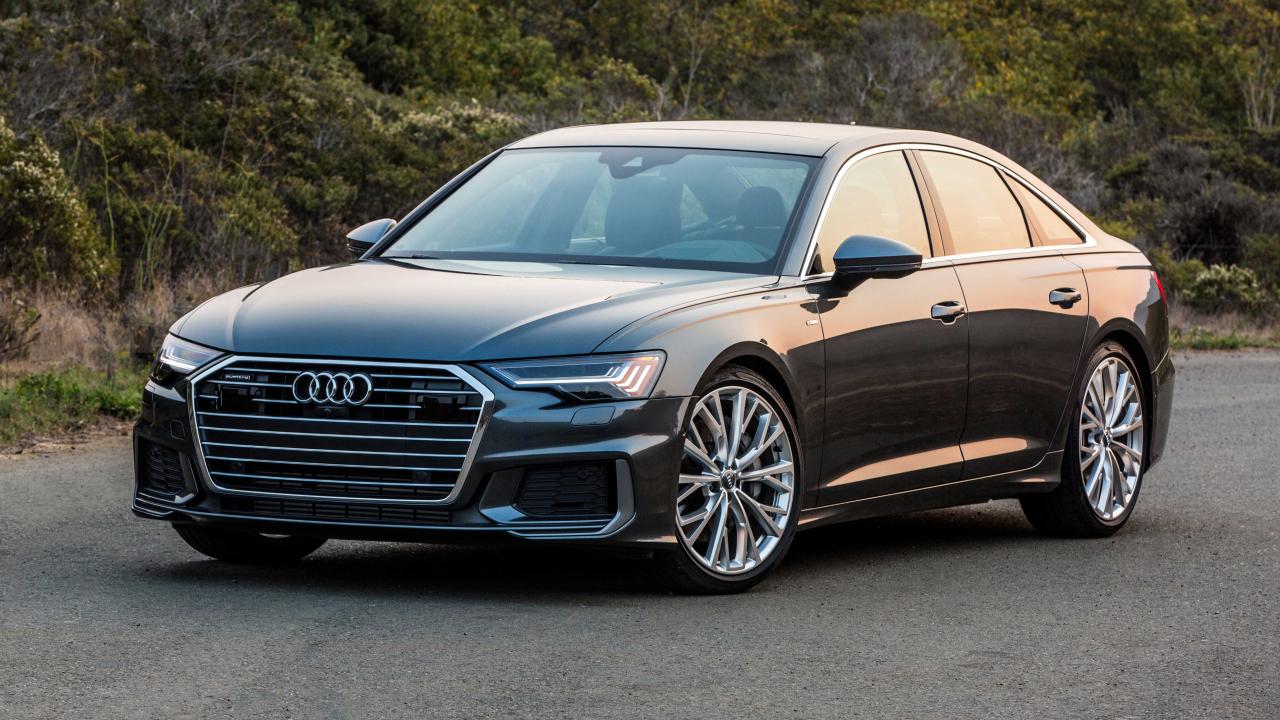
A. German Powerhouses: * Mercedes-Benz: Continues to lead with its iconic S-Class (the benchmark for luxury sedans) and the revolutionary all-electric EQS, which redefines the electric luxury sedan segment. * BMW: With the 7 Series and the electric i7, BMW pushes boundaries in technology, interior luxury, and driver engagement. * Audi: The A8 and its electric counterpart, the e-tron GT, emphasize sophisticated design, advanced technology, and quattro all-wheel drive. * Porsche: The Taycan has proven that an electric sedan can offer true sports car performance and luxury, significantly contributing to the segment’s growth.
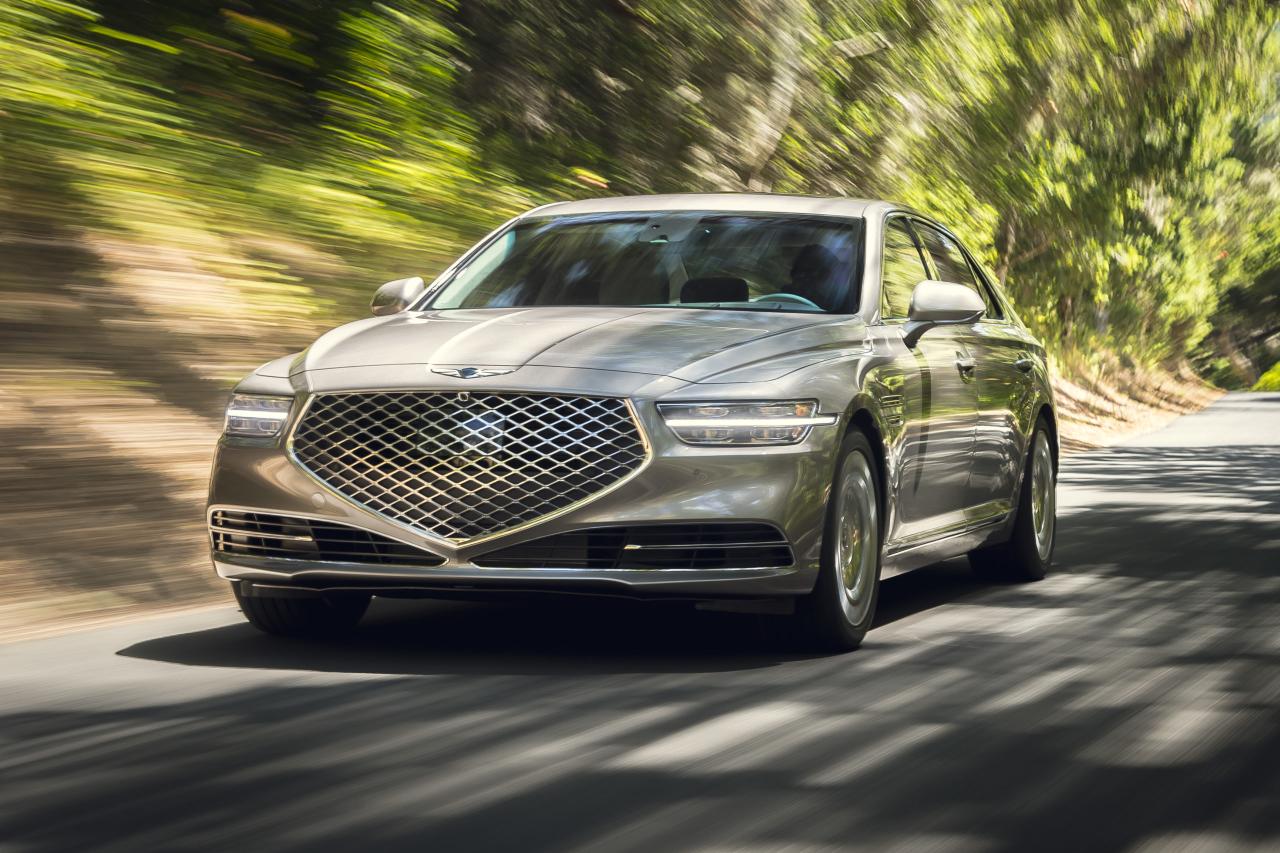
B. Japanese Luxury Contenders: * Lexus: The LS sedan maintains its reputation for unparalleled reliability, serene comfort, and meticulous craftsmanship, providing a distinct alternative. * Genesis: Hyundai’s luxury arm has rapidly established itself with compelling sedans like the G80 and G90, offering stunning design, opulent interiors, and strong value propositions, often seen as disruptors in the traditional luxury space.
C. American Innovators: * Tesla: The Model S, despite its aging design, continues to attract buyers with its blistering performance, long range, and advanced software, proving the viability of the electric luxury sedan segment. * Lucid Motors: The Lucid Air has set new benchmarks for electric range, charging speed, and interior space, offering a unique blend of American luxury and technological prowess. * Cadillac: With models like the CT5 and the upcoming electric Celestiq, Cadillac is working to re-establish its presence in the luxury sedan arena, blending traditional American luxury with modern technology.
D. New Entrants and Ultra-Luxury: * Brands like Polestar (with the Polestar 2 and upcoming Polestar 5) are challenging the established order with minimalist, performance-oriented electric sedans. * Ultra-luxury marques like Rolls-Royce (with the Phantom) and Bentley (with the Flying Spur) continue to cater to the very top echelon, where bespoke craftsmanship and unparalleled exclusivity are paramount.
Challenges Amidst the Boom

Despite the soaring sales, the luxury sedan segment faces its own set of challenges:
A. Sustained SUV Popularity: While sedans are rebounding, SUVs still account for a dominant share of the overall automotive market. The challenge for sedans is to continue carving out a distinct and compelling value proposition that cannot be replicated by utility vehicles.
B. Transition to Electrification: The shift to EVs requires significant investment in new platforms, battery technology, and charging infrastructure. Luxury brands must manage this transition smoothly, ensuring their electric sedans offer the same or superior levels of performance, range, and refinement as their ICE predecessors.
C. Rising Costs and Affordability: The inclusion of advanced technologies and premium materials drives up the cost of luxury sedans. Maintaining an attractive price point while delivering expected levels of luxury and innovation is a balancing act.
D. Software Integration and User Experience: As cars become more digitally integrated, the quality of the software, user interface (UI), and user experience (UX) becomes as critical as hardware. Ensuring seamless, intuitive, and bug-free digital ecosystems is a continuous challenge.
E. Competition from China: Chinese domestic luxury EV brands (e.g., Nio, Xpeng, Zeekr) are rapidly advancing in technology, design, and market penetration, posing a significant competitive threat globally, especially in the electric luxury sedan space.
Beyond the Current Surge
The current surge in luxury sedan sales is likely a harbinger of a broader transformation:
A. Hyper-Personalization: Future luxury sedans will offer unprecedented levels of customization, from bespoke interior configurations and materials to personalized digital experiences driven by AI that anticipate driver needs and preferences.
B. Wellness and Biometric Integration: Cabins will evolve into health and wellness hubs, monitoring occupant vitals, offering stress-reducing environments, and even suggesting routes based on air quality data.
C. Seamless Autonomy Integration: As Level 3 and 4 autonomy becomes more widespread, the distinction between driver and passenger will blur, leading to interiors that are truly multi-functional, catering to work, relaxation, and entertainment without constant human oversight.
D. Sustainable Luxury: The definition of luxury will increasingly incorporate sustainability. Expect more innovative recycled materials, transparent supply chains, and manufacturing processes with minimal environmental impact. The vehicle’s carbon footprint throughout its lifecycle will become a key selling point.
E. Subscription and Service Models: For some luxury buyers, ownership might give way to subscription models or access to a fleet of luxury autonomous vehicles for on-demand use, shifting the focus from individual car ownership to a premium mobility experience.
Conclusion
The narrative of “Luxury Sedan Sales Soar” is more than just a fleeting trend; it’s a powerful affirmation of the segment’s enduring appeal and its remarkable capacity for reinvention. Fueled by electrification, cutting-edge technology, and a renewed emphasis on refined driving dynamics and opulent interiors, luxury sedans are not just holding their own against the SUV tide, but are actively reclaiming their position as the vanguard of automotive innovation and aspirational mobility. This resurgence signals a vibrant, evolving future for one of the automotive world’s most iconic segments.