

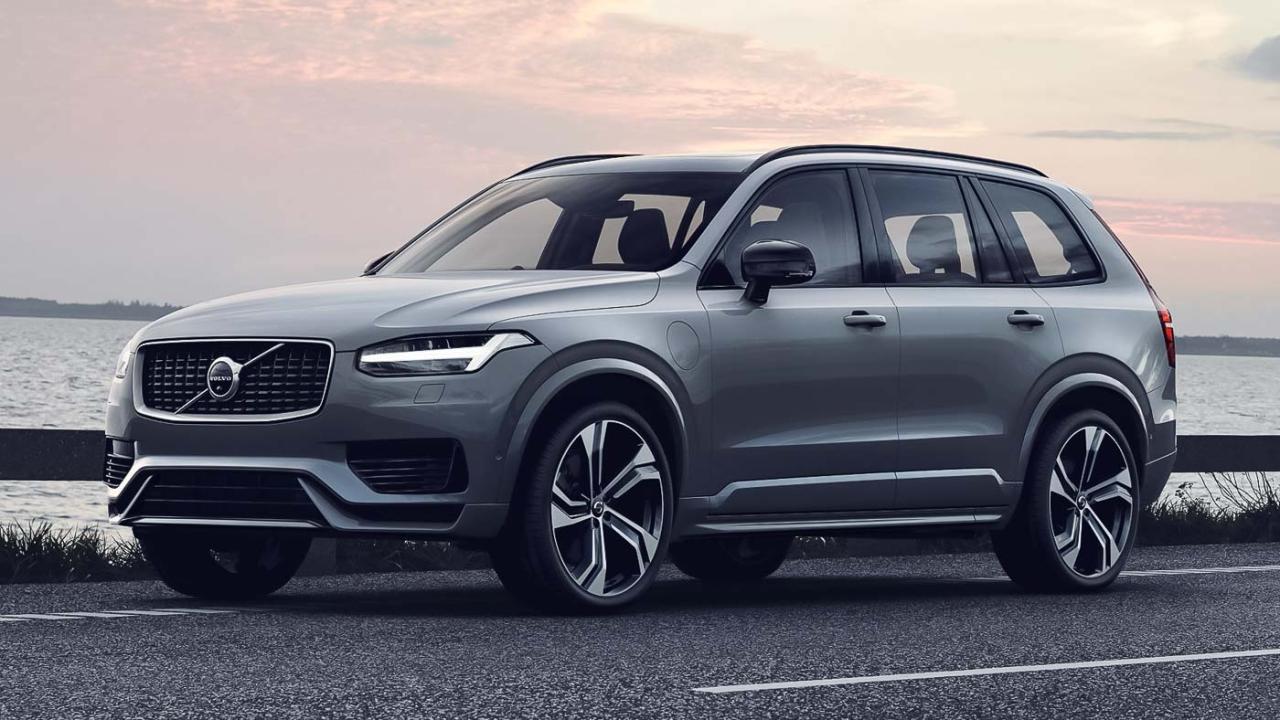
In an era defined by environmental consciousness and rising fuel costs, the automotive industry is undergoing a profound transformation. At the heart of this revolution is the hybrid powertrain, a technology that is quickly transitioning from a niche curiosity to the new standard for efficiency and performance. Blending the best of internal combustion engines with the clean power of electric motors, hybrid vehicles offer a compelling solution for drivers seeking to reduce their carbon footprint and save money at the pump without the range anxiety associated with fully electric vehicles. This article delves deep into the reasons behind the hybrid powertrain’s ascendancy, exploring its core technologies, the diverse types available, its undeniable benefits, and its crucial role in shaping the future of personal transportation.
For decades, the internal combustion engine (ICE) reigned supreme, a testament to its power and reliability. However, its environmental impact and dependence on fossil fuels have become increasingly unsustainable. The advent of the electric vehicle (EV) presented a zero-emission alternative, but its high cost, limited range, and the scarcity of charging infrastructure have made it a challenging proposition for many consumers. The hybrid powertrain emerged as the perfect bridge, a pragmatic and powerful solution that combines the familiarity and convenience of gasoline engines with the efficiency and environmental benefits of electric power. The hybrid’s journey from a technological experiment in the late 1990s to a mainstream powerhouse today is a story of continuous innovation, consumer acceptance, and a global push towards a more sustainable future.
The first commercially successful hybrid, the Toyota Prius, was a game-changer. It introduced the world to the concept of a car that could silently run on electricity at low speeds, seamlessly switching to its gasoline engine for higher power demands, all while recharging its own battery through regenerative braking. This ingenious technology not only drastically improved fuel economy but also reduced tailpipe emissions, proving that a balance between performance and environmental responsibility was possible. As a result, the term “hybrid” became synonymous with efficiency. Today, hybrid technology is no longer limited to small, specialized cars. It is integrated into sedans, SUVs, trucks, and even supercars, showcasing its versatility and adaptability across the entire automotive spectrum.
A Breakdown of Hybrid Technology
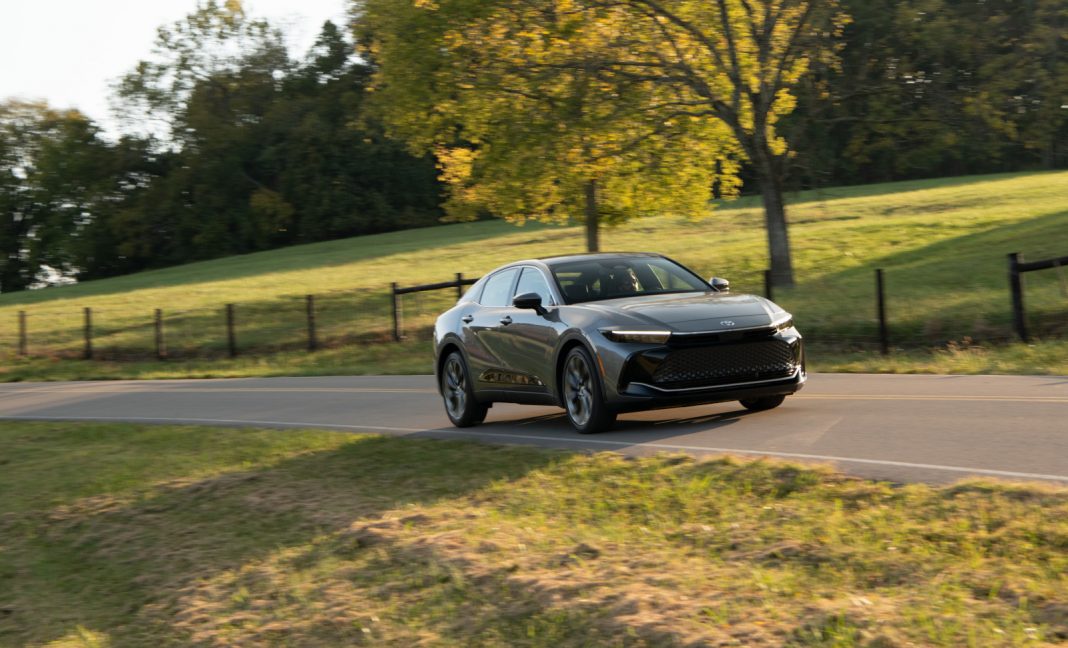
The term “hybrid” can encompass a variety of different powertrain configurations. While they all share the fundamental principle of combining a gasoline engine with an electric motor, they achieve this in distinct ways, each with its own advantages.
A. Mild Hybrids (MHEV)
Mild hybrids are the most basic form of hybrid technology. They use a small electric motor, often a motor-generator unit (MGU), to assist the gasoline engine. This system cannot power the car on electricity alone but it significantly improves efficiency by providing a power boost during acceleration, which reduces the load on the ICE. The MGU also allows for a more seamless and efficient start/stop system, as it can restart the engine almost instantly. MHEVs are the most affordable type of hybrid and are often found in mass-market vehicles as a way to easily meet stricter emissions standards.
B. Full Hybrids (HEV)
Full hybrids, such as the Toyota Prius, are the quintessential hybrid vehicles. They can operate in multiple modes: on the gasoline engine alone, on the electric motor alone at low speeds and for short distances, or using both in tandem for maximum power and efficiency. The key feature of a full hybrid is its ability to recharge its battery through regenerative braking and the gasoline engine, eliminating the need for an external power source. This makes them incredibly convenient and a popular choice for drivers who want the benefits of electrification without a change in their fueling habits.
C. Plug-in Hybrids (PHEV)
Plug-in hybrids represent the next step in hybrid evolution. They function like a full hybrid but feature a much larger battery that can be charged by plugging the vehicle into an external power source, such as a home outlet or public charging station. This allows PHEVs to drive for a substantial distance (typically 20-50 miles) on pure electricity, covering most daily commutes without using a single drop of gasoline. For longer journeys, the gasoline engine kicks in, providing the same convenience and range as a traditional car. PHEVs offer the best of both worlds: zero-emission local driving and the unlimited range of a gasoline engine for long trips.
D. Series, Parallel, and Series-Parallel Hybrid Configurations
The way the electric motor and gasoline engine work together defines the hybrid’s configuration:
- Parallel hybrids are the most common. In this setup, both the gasoline engine and the electric motor are connected to the wheels and can power the vehicle simultaneously or independently. This allows for a flexible power delivery and is highly efficient.
- Series hybrids use the gasoline engine solely as a generator to produce electricity, which then powers the electric motor that drives the wheels. The wheels are never directly powered by the ICE. This configuration is simpler but can be less efficient at highway speeds.
- Series-parallel hybrids, also known as power-split hybrids, combine both configurations. They can operate in both series and parallel modes, a system pioneered by Toyota, allowing them to optimize performance and efficiency in every driving condition.
The Undeniable Benefits of Hybrid Powertrains
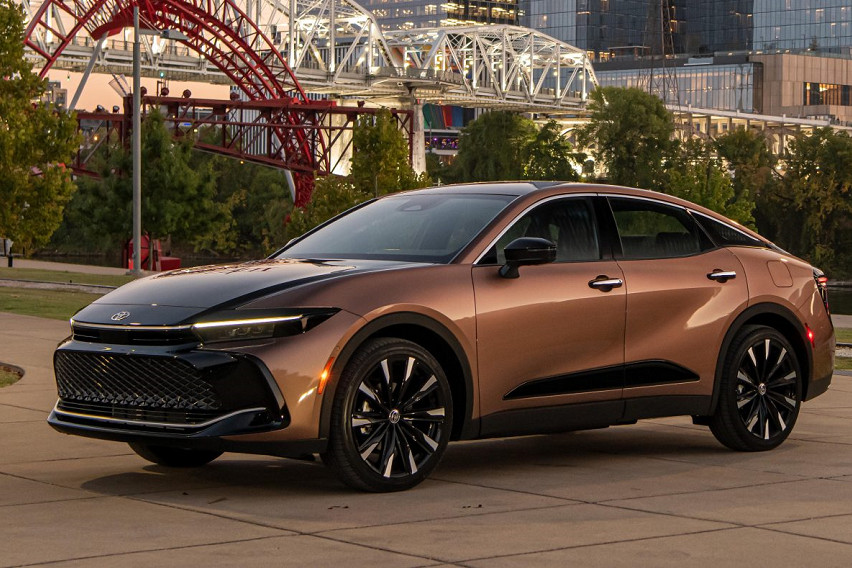
The widespread adoption of hybrid technology is not a coincidence; it is a direct response to a host of compelling advantages that hybrids offer over traditional gasoline-only vehicles.
A. Unparalleled Fuel Efficiency and Cost Savings
The most significant benefit of a hybrid powertrain is its superior fuel economy. By utilizing the electric motor, hybrids reduce the load on the gasoline engine, particularly in stop-and-go city traffic where traditional engines are least efficient. Regenerative braking recaptures energy that would otherwise be lost as heat, storing it in the battery to be used later. For drivers, this translates to fewer trips to the gas station and substantial savings over the vehicle’s lifetime, especially with today’s fluctuating fuel prices.
B. Reduced Emissions and a Smaller Carbon Footprint
Hybrid vehicles produce significantly lower tailpipe emissions compared to their conventional counterparts. By running on electric power at low speeds, they eliminate emissions during idling and urban driving, which are major sources of air pollution. The overall reduction in CO2 and other greenhouse gas emissions contributes directly to a cleaner environment and helps combat climate change. For many consumers, driving a hybrid is a tangible way to make a positive environmental impact without sacrificing performance or convenience.
C. Enhanced Performance and a Smoother Driving Experience
The integration of an electric motor provides an immediate boost of torque, resulting in quick, responsive acceleration. This is particularly noticeable at low speeds and from a standstill. The electric motor can also supplement the gasoline engine at highway speeds, providing extra power for passing or climbing hills. Additionally, the seamless transition between electric and gasoline power, along with the quiet operation of the electric motor, makes for an incredibly smooth and refined driving experience that is often superior to a conventional vehicle.
D. Resale Value and Long-Term Reliability
Early concerns about battery life and the long-term reliability of hybrid systems have been largely put to rest. Modern hybrid batteries are designed to last for the lifetime of the vehicle, often backed by extensive warranties. Furthermore, the hybrid system’s design, which places less stress on the gasoline engine, can contribute to a longer engine lifespan. As a result, hybrid vehicles tend to hold their resale value better than their gasoline-only equivalents, making them a smart long-term investment.
E. A Stepping Stone to Full Electrification
For many drivers, a hybrid vehicle is the perfect introduction to the world of electric cars. It allows them to experience the benefits of electric power, such as silent operation and instant torque, while maintaining the safety net of a gasoline engine. This gradual transition helps alleviate range anxiety and prepares consumers for a future where fully electric vehicles may be the norm. Hybrid vehicles are a crucial part of the journey towards a fully electrified automotive landscape.
The Future of Technological Advancements and Market Dominance
The market for hybrid powertrains is no longer limited to a few models. Today, nearly every major automotive manufacturer offers a hybrid option, from compact sedans to full-size pickup trucks. The technology is also becoming more sophisticated. New generations of hybrids feature more powerful electric motors, lighter and more efficient batteries, and advanced software that intelligently manages the power flow to maximize efficiency and performance.
The future will see an even greater integration of hybrid technology with other innovations. We can expect to see more advanced PHEVs with longer all-electric ranges, allowing drivers to complete their entire daily commute without using gasoline. The development of solid-state batteries promises to make hybrids even more efficient and affordable. Furthermore, the hybrid concept is being applied to commercial vehicles, buses, and even heavy-duty trucks, proving its scalability and versatility.
The automotive industry’s push towards sustainability, driven by government regulations and consumer demand, guarantees that the hybrid powertrain will continue to be a central focus of R&D. The era of the gasoline-only vehicle is coming to an end, and the hybrid is paving the way for its replacement. It is not just a temporary solution but a fundamental shift in how we think about and power our vehicles.
Conclusion
In conclusion, the hybrid powertrain’s rise to prominence is one of the most significant and well-deserved success stories in modern automotive history. It represents the perfect confluence of consumer demand, technological innovation, and a global imperative for sustainability. By seamlessly integrating the reliability of the internal combustion engine with the clean, efficient power of electric motors, hybrid vehicles have created a new benchmark for what a car can and should be. They offer a tangible, immediate solution to the challenges of rising fuel costs and environmental concerns without demanding a radical change in lifestyle.
The enduring appeal of the hybrid lies in its remarkable versatility. From the subtle assistance of a mild hybrid to the all-electric daily commute capability of a plug-in hybrid, there is a hybrid solution for virtually every driver and every need. This adaptability has allowed the technology to permeate every segment of the market, from economy cars to luxury SUVs and high-performance sports cars. The early concerns about complexity and cost have been replaced by a widespread recognition of their long-term value, superior fuel economy, and impressive reliability.
As we move forward, the hybrid powertrain will continue to evolve, becoming even more efficient, powerful, and integrated with future technologies. It serves not only as a crucial stepping stone to a fully electric future but also as a powerful and enduring solution in its own right. The hybrid vehicle has proven itself to be a resilient, intelligent, and highly practical form of transportation that is shaping the present and leading the way into a more sustainable and efficient future. For consumers, the choice is clear: the hybrid powertrain is no longer an alternative; it is the new standard, and its reign is only just beginning.