

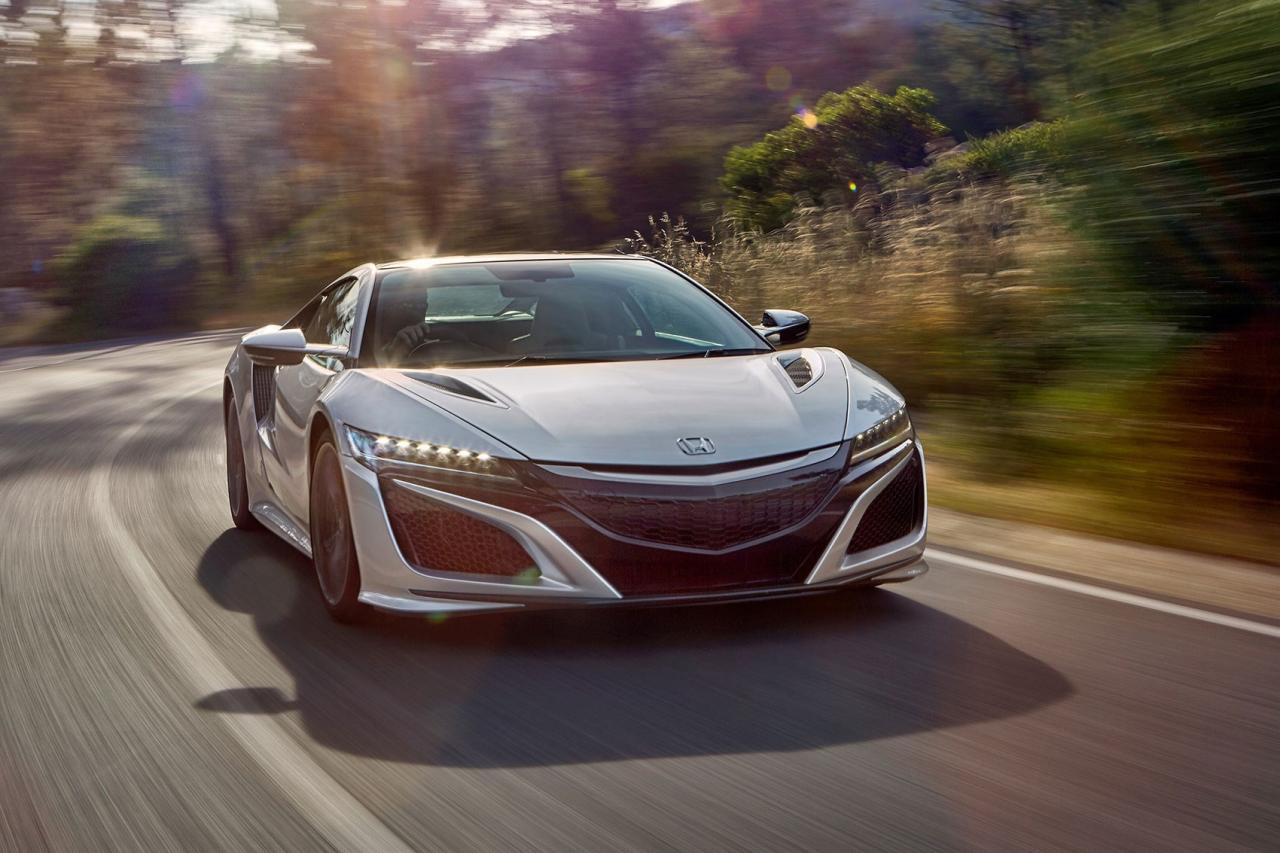
In an automotive market continually reshaped by electrification, the headline “Hybrid Car Popularity Grows” might seem less dramatic than the rise of pure electric vehicles. Yet, this quiet but significant surge represents a pivotal and practical evolution in consumer preferences. Far from being a mere stepping stone to an all-electric future, hybrid vehicles are proving to be a highly attractive and intelligent choice for millions of drivers worldwide. Their burgeoning appeal is driven by a compelling blend of fuel efficiency, reduced emissions, familiarity, and a pragmatic approach to the ongoing transition away from conventional gasoline cars. This article explores the multifaceted reasons behind this sustained growth, detailing the technological advancements and evolving market dynamics that are firmly establishing hybrids as a dominant force in modern mobility.
The Hybrid Cars Advantages

Hybrid vehicles combine an internal combustion engine (ICE) with an electric motor and a battery pack. This synergistic powertrain allows them to deliver benefits that neither a pure gasoline car nor a pure electric car can offer independently, making them an ideal solution for many drivers today.
A. Enhanced Fuel Efficiency:
* Hybrids leverage their electric motors and regenerative braking systems to significantly improve fuel economy, especially in stop-and-go city traffic. The electric motor can propel the car at low speeds, and the ICE can shut off when idling or coasting, saving fuel.
* Impact: This translates directly into lower running costs for consumers, a major draw, particularly with fluctuating fuel prices.
B. Reduced Emissions:
* By operating on electricity for parts of their journey and optimizing the ICE for efficiency, hybrids produce fewer tailpipe emissions (CO2, NOx, particulates) compared to equivalent gasoline-only vehicles.
* Impact: This appeals to environmentally conscious buyers seeking to lower their carbon footprint without the full commitment to a pure EV.
C. No Range Anxiety:
* Unlike pure EVs, hybrids retain a gasoline engine, eliminating concerns about finding charging stations on long journeys. Drivers can refuel at any conventional gas station, offering the best of both worlds.
* Impact: This familiarity and convenience are crucial for consumers hesitant to embrace full electrification due to range or infrastructure worries.
D. Performance Benefits:
* The electric motor often provides instant torque, assisting the gasoline engine for quicker acceleration, especially from a standstill.
* Impact: This can lead to a smoother, more responsive, and often more powerful driving experience than a comparable gasoline-only model.
E. Lower Initial Cost (Compared to EVs):
* Hybrid technology, while more complex than a conventional ICE, is generally less expensive to manufacture than a pure EV with a large battery pack, making hybrids more accessible from a purchase price perspective.
* Impact: This price point makes them an attractive bridge for consumers looking for efficiency and lower emissions without the higher upfront investment of an EV.
The Diverse Landscape of Hybrid Technologies
The term “hybrid” encompasses several different technological approaches, each with its own characteristics and target applications:
A. Mild Hybrids (MHEV):
* Concept: These systems use a small electric motor (often an integrated starter-generator, ISG) and a small battery to assist the ICE, primarily for functions like engine start-stop, regenerative braking, and providing a small torque boost during acceleration. They cannot propel the car on electricity alone for any significant distance.
* Advantages: Least expensive to implement, offers modest fuel economy gains (typically 10-15%), smooths out engine start-stop, and reduces load on the engine for accessories.
* Impact: A popular choice for automakers looking to incrementally improve the efficiency of their existing ICE lineups without major redesigns.
B. Full Hybrids (FHEV) / Series-Parallel Hybrids:
* Concept: These are the most common type of hybrid. They have a larger electric motor and battery than mild hybrids, allowing the car to run on pure electricity for short distances and at low speeds, blend power from both sources, or use the engine to charge the battery. Toyota’s Hybrid Synergy Drive is a prime example.
* Advantages: Significant fuel economy improvements (often 30-50% or more), particularly in city driving, and seamless transitions between power sources. No external charging required.
* Impact: The workhorse of the hybrid market, offering substantial efficiency benefits and convenience without needing to plug in.
C. Plug-in Hybrids (PHEV):
* Concept: PHEVs combine a gasoline engine with a larger electric motor and a much larger battery pack that can be charged from an external power source (like a pure EV). They offer a significant all-electric range (typically 20-50 miles or 30-80 km) before the gasoline engine kicks in.
* Advantages: Offers “best of both worlds” – daily commuting can be done on pure electricity, effectively acting as an EV, while long trips are handled by the gasoline engine without range anxiety. Often qualify for EV incentives.
* Impact: Ideal for drivers with short daily commutes and access to charging, providing substantial electric-only driving for everyday use.
D. Series Hybrids:
* Concept: The gasoline engine acts primarily as a generator to produce electricity, which then powers the electric motor that drives the wheels. The engine rarely, if ever, directly drives the wheels.
* Advantages: The engine can operate at its most efficient RPM for power generation, leading to smooth operation.
* Impact: Less common in passenger cars, but found in some commercial vehicles or specific passenger models (like the Nissan e-Power system in some markets).
Key Drivers Behind Growing Hybrid Popularity
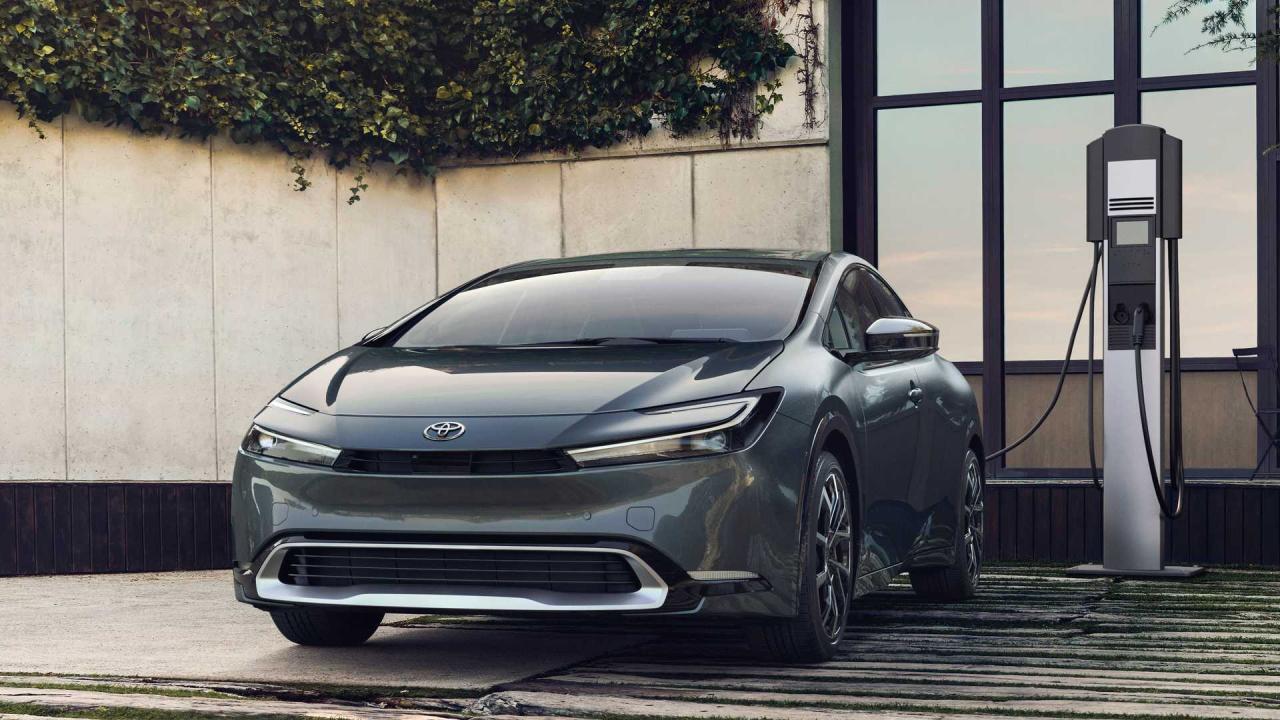
The current surge in hybrid sales is a result of several converging market and technological forces:
A. Rising Fuel Prices and Cost of Living:
* As gasoline prices fluctuate and general living costs increase, consumers are more acutely aware of vehicle running costs. Hybrids offer a tangible solution to reduce fuel expenditure.
* Impact: Fuel efficiency becomes a top priority, pushing buyers towards more economical options.
B. Concerns About Full EV Readiness:
* While EV adoption is growing, many consumers still have reservations about range, charging infrastructure availability, and the higher purchase price of pure EVs.
* Impact: Hybrids offer a lower-risk entry point into electrified driving, providing efficiency benefits without the perceived compromises of a full EV. They act as a “safety net.”
C. Technological Maturity and Reliability:
* Hybrid technology, pioneered by Toyota over two decades ago, is now highly refined, reliable, and widely understood. Consumers trust the technology.
* Impact: The proven track record of hybrid powertrains reduces consumer apprehension about long-term ownership and maintenance.
D. Expanded Model Availability:
* Almost every major automaker now offers a wide array of hybrid models across various segments – sedans, SUVs, minivans, and even trucks. This broad choice caters to diverse consumer needs.
* Impact: This increased choice makes it easier for consumers to find a hybrid that fits their lifestyle and budget, moving them from niche options to mainstream choices.
E. Government Incentives (for PHEVs):
* Many governments continue to offer incentives for plug-in hybrid vehicles, recognizing their role in reducing emissions and encouraging electric-only driving for daily commutes.
* Impact: These incentives can significantly lower the effective purchase price of PHEVs, making them even more appealing.
F. Environmental Consciousness (Balanced Approach):
* Consumers are increasingly aware of environmental issues but may not be ready for a pure EV. Hybrids offer a tangible step towards reducing emissions and supporting sustainability without drastically altering lifestyle or vehicle choice.
* Impact: They represent a “green” choice that is accessible and practical for many.
G. Evolution of PHEV Technology:
* Newer PHEVs offer significantly longer electric-only ranges, making them highly practical for daily commutes, and improving their efficiency drastically if charged regularly.
* Impact: The enhanced electric range makes PHEVs an even more compelling proposition, blurring the line with pure EVs for everyday driving.
Geographic Variations in Hybrid Adoption
Hybrid popularity isn’t uniform globally, with regional differences reflecting market maturity, regulatory frameworks, and consumer preferences:
A. North America (U.S. and Canada):
* Trend: Strong and sustained growth, particularly for hybrid SUVs and trucks. Consumers value the fuel savings and lack of range anxiety. PHEVs are also gaining traction, especially in areas with charging infrastructure.
* Drivers: Higher gasoline prices in recent years, strong OEM focus on hybridizing popular models (e.g., Ford F-150 Hybrid, Toyota RAV4 Hybrid).
B. Europe:
* Trend: Robust hybrid sales, especially FHEVs and PHEVs, driven by stricter emissions regulations and varied incentives across countries.
* Drivers: Government policies encouraging lower-emission vehicles, a preference for smaller, more efficient cars, and a well-developed charging infrastructure for PHEVs.
C. Asia (Japan, Korea, parts of Southeast Asia):
* Trend: Japan has been a long-time leader in hybrid adoption (dominated by Toyota and Honda). Other Asian markets are also seeing growth.
* Drivers: Pioneering hybrid technology by domestic manufacturers, high population density favoring smaller, efficient vehicles, and growing environmental awareness.
D. Australia:
* Trend: Significant uptake of hybrids, particularly hybrid SUVs, as consumers seek fuel efficiency in a market traditionally dominated by larger vehicles.
* Drivers: High fuel costs, growing awareness of environmental benefits, and a practical approach to electrification given vast distances and varied charging infrastructure availability.
The Competitive Landscape and Key Players
Almost every major automaker now offers hybrid models, intensifying competition and driving innovation:
A. Toyota and Lexus:
* Position: The undisputed pioneers and market leaders in hybrid technology, offering a vast array of full hybrids across their lineup, from compact cars to large SUVs and luxury vehicles. Their Hybrid Synergy Drive system is renowned for its reliability.
* Impact: Their long-standing expertise and trusted reputation continue to drive significant hybrid sales globally.
B. Honda:
* Position: Another early adopter of hybrid technology, known for its efficient hybrid systems in models like the CR-V Hybrid and Accord Hybrid.
* Impact: Offers compelling alternatives with a focus on smooth power delivery and fuel economy.
C. Hyundai and Kia:
* Position: Rapidly gaining market share with a strong lineup of efficient and feature-rich hybrid and plug-in hybrid models (e.g., Hyundai Elantra Hybrid, Kia Sorento PHEV, Hyundai Santa Fe Hybrid).
* Impact: Known for excellent value, modern design, and comprehensive warranties, attracting a wide range of buyers.
D. Ford:
* Position: Has significantly expanded its hybrid offerings, including the highly popular F-150 PowerBoost Hybrid and Maverick Hybrid pickups, alongside hybrid versions of SUVs like the Escape and Explorer.
* Impact: Ford’s success in hybridizing its best-selling truck models demonstrates the broad appeal of the technology in segments previously less associated with electrification.
E. European Premium Brands (Mercedes-Benz, BMW, Audi, Volvo):
* Position: Primarily focusing on plug-in hybrids and mild hybrids across their luxury lineups, offering a blend of performance, luxury, and electric capability for shorter drives.
* Impact: Allows premium buyers to experience partial electrification while retaining the traditional luxury experience and avoiding range anxiety.
F. Chinese Automakers:
* Position: Rapidly developing sophisticated hybrid and PHEV technologies, often with impressive electric-only ranges and competitive pricing. Brands like BYD (with its DM-i hybrid system) are major players.
* Impact: Their innovative approaches and aggressive market strategies are contributing to the global growth of hybrid options.
Challenges and Future Trajectories for Hybrids
Despite their current success, hybrids face challenges and must evolve to remain relevant in a rapidly changing automotive landscape:
A. The “Stepping Stone” Debate:
* Are hybrids merely a temporary solution on the path to pure EVs, or do they represent a long-term segment? Policy decisions and consumer perceptions will shape this.
* Challenge: Maintaining market relevance as EV charging infrastructure improves and EV prices decline.
B. PHEV Charging Habits:
* The full environmental and economic benefits of PHEVs are only realized if they are charged regularly. Lack of consistent charging can make them less efficient than expected.
* Challenge: Educating consumers and encouraging regular charging behavior, alongside continued expansion of charging infrastructure for PHEVs.
C. Technological Convergence with EVs:
* As battery technology improves and electric motors become more powerful, the gap between the performance of advanced hybrids and entry-level EVs might narrow, leading to increased competition within automakers’ own lineups.
* Challenge: Hybrids must continue to differentiate themselves through cost, range, and convenience.
D. Future Emissions Regulations:
* While hybrids offer emissions reductions now, future, even stricter regulations might eventually push them out in favor of zero-emission vehicles in some markets or urban zones.
* Challenge: Adapting hybrid technology to meet increasingly stringent global emissions targets, potentially through more advanced plug-in hybrid systems or alternative fuels.
E. Battery Recycling and Sustainability:
* While smaller than EV batteries, hybrid batteries still pose recycling challenges at the end of their life. Developing robust and sustainable recycling processes for hybrid components is crucial.
F. Component Complexity vs. Pure EVs:
* Hybrids combine two complex powertrains (ICE and electric), which can sometimes lead to greater manufacturing complexity and potentially higher long-term maintenance needs compared to simpler pure EVs.
Conclusion
The headline “Hybrid Car Popularity Grows” highlights a segment that has found its sweet spot in the current automotive climate. Hybrids are not just surviving; they are thriving by offering a pragmatic, efficient, and familiar solution for drivers who want to reduce their environmental impact and fuel costs without the full commitment to an all-electric lifestyle just yet.
As the industry moves closer to full electrification, hybrids will continue to play a crucial role as a bridge technology, facilitating the transition for millions of consumers and integrating new technologies like advanced battery management and more efficient electric motors. Their continued evolution, likely emphasizing longer electric-only ranges for PHEVs and even greater efficiency for full hybrids, ensures they will remain a relevant and compelling choice for many years to come, proving that the future of mobility is not a single path, but a diverse and evolving ecosystem. The growth of hybrid sales is a testament to their practicality and broad appeal, making them a smart and sustainable choice for today’s drivers.