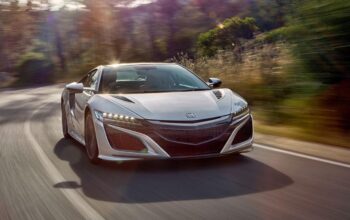

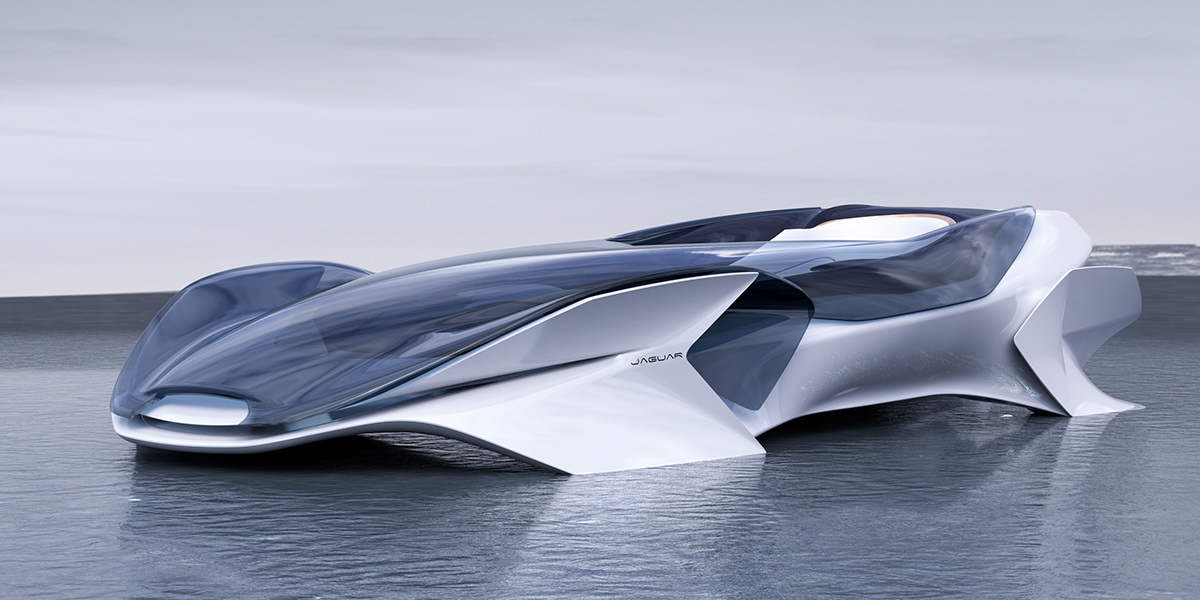
The automotive industry stands at the precipice of a monumental transformation. The phrase “Future Car Designs Unveiled” goes far beyond mere aesthetic tweaks; it signals a radical rethinking of what a car is, how it functions, and its role in our daily lives. Driven by technological leaps, environmental imperatives, and evolving urban landscapes, designers and engineers are pushing boundaries, crafting vehicles that promise to be safer, more sustainable, more connected, and profoundly more integrated into a smart future. These designs aren’t just about sleek lines; they’re about reimagining the very concept of personal mobility.
The Catalysts for Design Evolution
Several powerful forces are converging to shape the cars of tomorrow. Understanding these catalysts is key to appreciating the radical shifts we’re witnessing in automotive design:
A. Electrification: * The most significant driver of change. Electric powertrains, specifically battery electric vehicles (BEVs), eliminate the need for large internal combustion engines, bulky fuel tanks, and complex exhaust systems. * Design Impact: This freedom allows designers to rethink vehicle proportions. The “skateboard platform” – where batteries are laid flat on the floor – enables flatter floors, more interior space, and shorter hoods. Aerodynamics become paramount for maximizing range, leading to smoother, less angular designs, often with active aerodynamic elements. The traditional grille, essential for engine cooling, can be minimized or eliminated entirely, opening up new design possibilities for the vehicle’s “face.”
B. Autonomous Driving Technology: * As vehicles take over more driving tasks, the role of the human driver shifts. This has profound implications for interior design and even exterior aesthetics. * Design Impact: If a vehicle can drive itself, the cabin can become a multi-functional living space, office, or entertainment lounge. Seats might swivel to face each other, steering wheels could retract, and infotainment screens could transform into large, immersive displays. Exterior designs might incorporate more sensors (Lidar, Radar, cameras) seamlessly, potentially giving the car a more minimalist, less aggressive look as human control diminishes. Light signatures could become communication tools for pedestrians and other vehicles.
C. Connectivity and Digitalization: * Modern cars are increasingly connected to the internet, to other vehicles (V2V), and to infrastructure (V2I). This enables over-the-air (OTA) updates, real-time traffic data, infotainment, and future mobility services. * Design Impact: Interiors become digital hubs. Large, customizable touchscreens replace physical buttons. Augmented reality (AR) displays can project navigation information onto the windshield. Exteriors might feature digital panels that display information or communicate intentions. Data security and user interface (UI) / user experience (UX) design become critical.
D. Sustainability and Circular Economy Principles: * A growing global awareness of environmental impact is pushing manufacturers towards sustainable practices. * Design Impact: Expect increased use of recycled and sustainably sourced materials for interiors (e.g., recycled plastics, vegan leather, cork, bamboo, flax fibers). Manufacturing processes will prioritize energy efficiency and reduced waste. The entire lifecycle of the vehicle, from production to recycling, is influencing design decisions, potentially leading to more modular designs that are easier to repair or upgrade.
E. New Mobility Services (Maas – Mobility-as-a-Service): * The rise of ride-sharing, car-sharing, and subscription models means that for many, car ownership might become less common. Vehicles will increasingly be part of a fleet. * Design Impact: Cars designed for MaaS will prioritize durability, easy cleaning, and modularity for quick reconfigurations (e.g., cargo vs. passenger). They might have more communal, lounge-like interiors optimized for shared use rather than individual ownership. Aesthetic choices might lean towards universal appeal and brand consistency for fleet operators.
Revolutionary Exterior Design Concepts
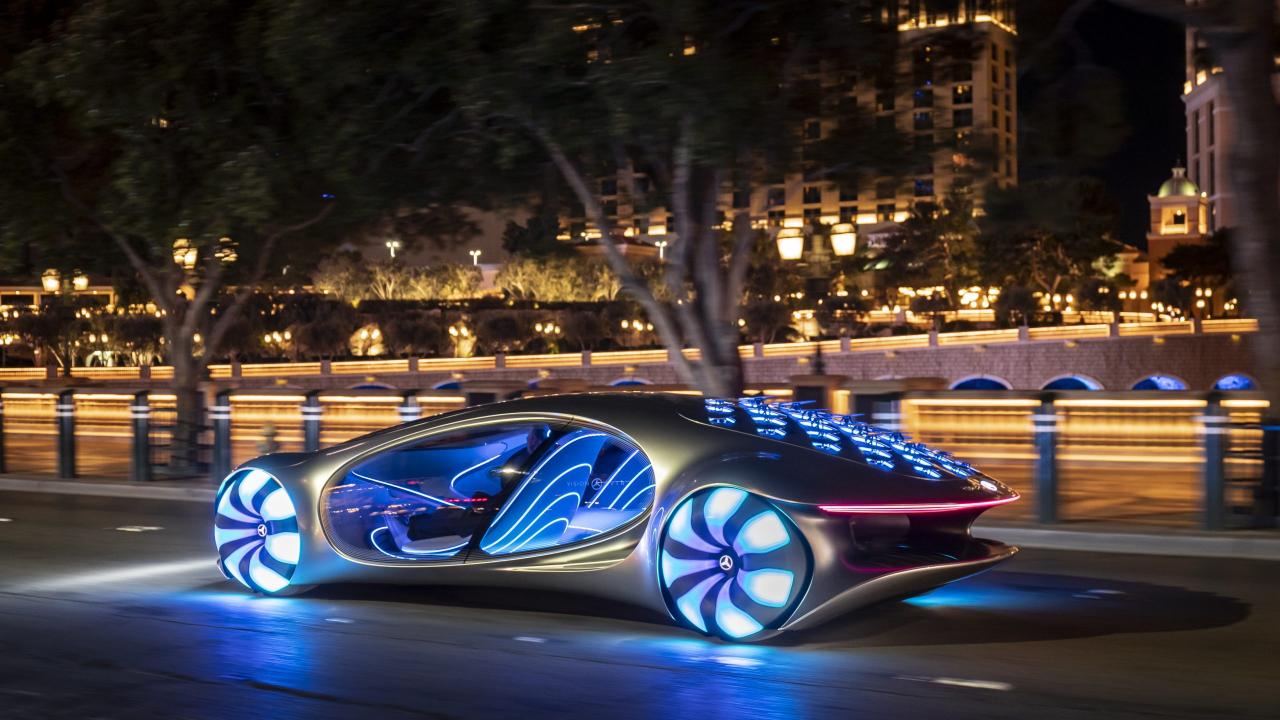
Future car designs are breaking free from the traditional “three-box” sedan or SUV silhouette, embracing new forms dictated by function and technology:
A. Aerodynamic Prowess: * Maximizing range for EVs is paramount. This leads to extremely smooth, often teardrop or monobox shapes that minimize drag. * Features: Flush door handles, camera-based side mirrors (instead of traditional mirrors), integrated spoilers, active aerodynamic elements that deploy at speed, and fully enclosed underbodies. Grilles are often replaced by sleek, illuminated panels. * Example: Concepts like the Mercedes-Benz Vision EQXX pushed boundaries with an ultra-low drag coefficient, showcasing how every surface is sculpted for airflow.
B. Lighting as a Design and Communication Tool: * LED and OLED lighting offer unprecedented design freedom. * Features: Ultra-thin light strips that wrap around the vehicle, dynamic lighting sequences for welcoming occupants, and digital light projections. Headlights and taillights will become highly distinctive brand identifiers. * Communication: Exterior lighting could also communicate the car’s intentions to pedestrians and other drivers (e.g., “I see you,” “I am yielding,” or displaying charge status). This is particularly important for autonomous vehicles that lack a human driver’s eye contact.
C. Modular and Customizable Exteriors: * Some concepts explore interchangeable body panels or modular components to adapt the vehicle for different purposes or personal preferences. * Features: Companies like Canoo have showcased modular “skateboard” platforms that can be fitted with various “top hats” (passenger cabins, pickup beds, delivery modules), allowing for diverse vehicle types on a single chassis. This could extend to consumer-level customization in the future.
D. Integration of Sensors: * Lidar, radar, and cameras are crucial for autonomous driving. Designers are challenged to integrate these sensors seamlessly rather than having them appear as awkward add-ons. * Features: Sensors hidden behind body panels, integrated into lighting elements, or subtly blended into the vehicle’s form, maintaining a clean aesthetic while ensuring full functionality.
E. Sustainable Materials in Exterior Components: * While less visible, research is ongoing into using sustainable composites, recycled metals, and bio-based materials for structural and non-structural exterior parts to reduce the overall carbon footprint.
Transformed Interior Design and User Experience
The interior is where the most radical changes are set to occur, moving from a driver-centric cockpit to a versatile living space:
A. The Flexible Cabin (Living Room on Wheels): * As autonomy progresses, the traditional driver’s seat and dashboard configuration become less rigid. * Features: Swiveling seats, modular seating arrangements that can be reconfigured for work, relaxation, or social interaction. Retractable steering wheels and pedals. Flat floors create more legroom and space. * Example: Many autonomous concept cars demonstrate interiors resembling lounges, complete with comfortable sofas and personal tables.
B. Immersive Digital Ecosystems: * Screens will dominate, but in intelligent, integrated ways. * Features: Wall-to-wall digital dashboards, large central infotainment displays, augmented reality head-up displays (AR-HUDs) that project information onto the road ahead, and even transparent OLED displays integrated into windows. Haptic feedback and gesture controls might supplement or replace physical buttons. * User Experience (UX): Focus on intuitive interfaces, personalized content delivery, and seamless integration with personal devices and smart home ecosystems. OTA updates will continuously improve the digital experience.
C. Advanced Materials and Sensory Experience: * Beyond aesthetics, materials will prioritize comfort, sustainability, and unique tactile qualities. * Features: Sustainable and recycled materials (e.g., recycled fishing nets for carpets, vegan leathers made from mushrooms or cactus, natural fibers like cork and wool). Biometric sensors for monitoring occupant health and well-being. Ambient lighting that adapts to mood or time of day. Advanced air filtration systems.
D. Personalization and Biometrics: * Cars will increasingly recognize individual occupants and tailor the experience. * Features: Facial recognition for entry, personalized seat settings, climate control, and infotainment preferences. Health monitoring through embedded sensors. AI-powered personal assistants that learn user habits and anticipate needs.
E. Health and Wellness Focus: * The interior can become a sanctuary for well-being. * Features: Air quality monitoring and purification systems, ergonomic seating designed for long periods of relaxation, ambient soundscapes, and even built-in fitness or meditation guides. Biometric sensors could track fatigue or stress levels and suggest breaks.
Integrated Mobility Ecosystems
Future car designs are not isolated entities; they are part of a larger, interconnected mobility ecosystem:
A. Seamless Integration with Smart Cities: * Cars will communicate with urban infrastructure (traffic lights, smart parking, charging stations) to optimize flow, reduce congestion, and enhance safety. * Design Impact: This means vehicles designed with standard communication protocols and the ability to interpret and act on real-time city data.
B. Multimodal Transport Hubs: * Future mobility might involve switching between various modes of transport (autonomous pods, public transport, e-bikes). Car designs will reflect this fluidity. * Design Impact: Vehicles might become smaller, more specialized, and designed for efficient integration into mobility networks, rather than general-purpose personal ownership.
C. Vehicle-to-Everything (V2X) Communication: * Cars will talk to each other (V2V), to infrastructure (V2I), to pedestrians (V2P), and to the network (V2N). * Design Impact: While often unseen, the antennas and communication modules needed for V2X will be crucial, and their integration will be part of the holistic design, enabling safer and more efficient movement.
D. Energy Management and V2G (Vehicle-to-Grid): * EVs will not just consume electricity; they can also feed it back into the grid, becoming mobile energy storage units. * Design Impact: This might influence battery design, charging port design, and the vehicle’s onboard energy management systems, turning cars into active participants in the energy grid.
Conceptual Cars and Their Influence
Many of the groundbreaking ideas we discuss today first appear in concept cars – visionary prototypes that showcase future technologies and design philosophies:
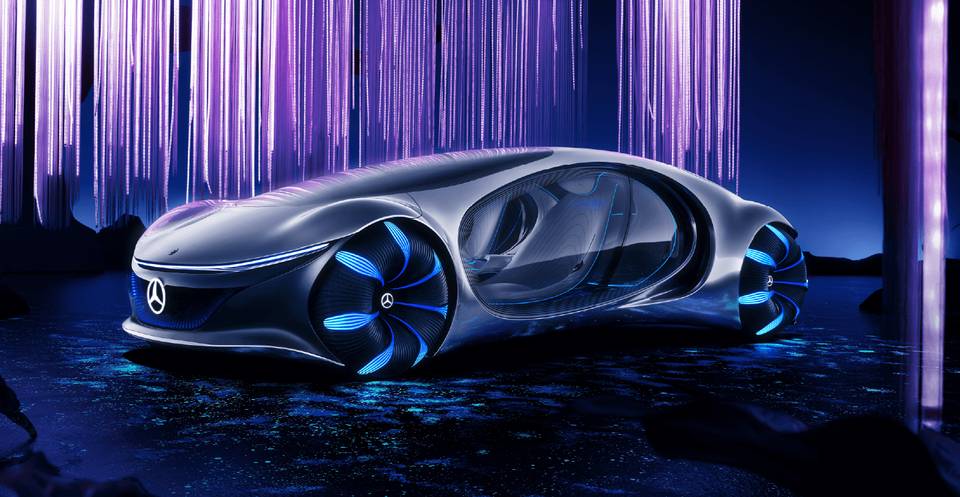
A. Mercedes-Benz VISION AVTR: Inspired by the movie “Avatar,” this concept explores the symbiotic relationship between human, machine, and nature. It features a unique, organic design, a singular control interface instead of a steering wheel, and allows for side-to-side “crab-like” movement. Its focus on biometric connection and sustainable materials offers a glimpse into a deeply integrated future.
B. BMW i Vision Circular: Designed with circular economy principles at its core, this concept emphasizes recyclability and resource efficiency. It uses recycled aluminum, 3D-printed components, and even a solid-state battery that is fully recyclable. Its minimalist interior and unique use of materials highlight a sustainable design approach.
C. Rolls-Royce Vision Next 100 (103EX): A futuristic luxury autonomous concept that reimagines the ultra-luxury experience without a driver. It features a grand coach-door opening, an opulent cabin, and an AI virtual assistant named “Eleanor.” It showcases how luxury will evolve in an autonomous future.
D. Sony Vision-S 02 SUV: Demonstrates how consumer electronics companies are entering the automotive space, bringing their expertise in sensors, entertainment, and cloud connectivity. Its design is clean and technologically focused, emphasizing seamless digital integration.
E. Hyundai Prophecy Concept: A sleek, aerodynamic electric sedan that emphasizes “Sensuous Sportiness” and a clean, minimalist design with a focus on interior space and relaxation. It also features joysticks instead of a steering wheel, showcasing a shift in control interfaces.
Challenges and the Road Ahead
While the vision for future car designs is exciting, several challenges must be overcome for widespread adoption:
A. Regulatory Hurdles: New forms, new functionalities (like V2X communication), and new levels of autonomy require updated safety standards and regulatory frameworks globally. Harmonizing these will be crucial.
B. Cost of New Technologies: Integrating advanced sensors, powerful computing, and innovative materials can be expensive. Bringing these costs down through economies of scale and manufacturing efficiencies is critical for mass-market appeal.
C. Infrastructure Development: The realization of many future car designs, particularly those optimized for autonomy and V2X, relies heavily on the development of smart city infrastructure, widespread charging networks, and robust 5G connectivity.
D. Public Acceptance and Trust: Radical design changes, especially those tied to autonomous capabilities, require consumers to build trust. Safety records, user experience, and public education will be vital.
E. Manufacturing Complexities: Producing vehicles with highly integrated sensors, advanced materials, and flexible interiors requires new manufacturing techniques and supply chains.
F. Cybersecurity and Data Privacy: As cars become mobile data centers, ensuring robust cybersecurity to protect against hacking and safeguarding user data privacy are paramount concerns.
G. Repairability and Durability: While aiming for sustainability, future designs must also consider the practicalities of repair, maintenance, and long-term durability, especially for vehicles in mobility service fleets.
Conclusion
The “Future Car Designs Unveiled” represents a bold leap forward, moving beyond mere transportation to create dynamic, intelligent, and environmentally conscious platforms for living, working, and connecting. These designs are not just about what a car looks like, but what it enables, promising a future of unprecedented convenience, safety, and sustainability on our roads. The continuous unveiling of these visionary concepts signals a commitment from the automotive world to redefine mobility for generations to come.