
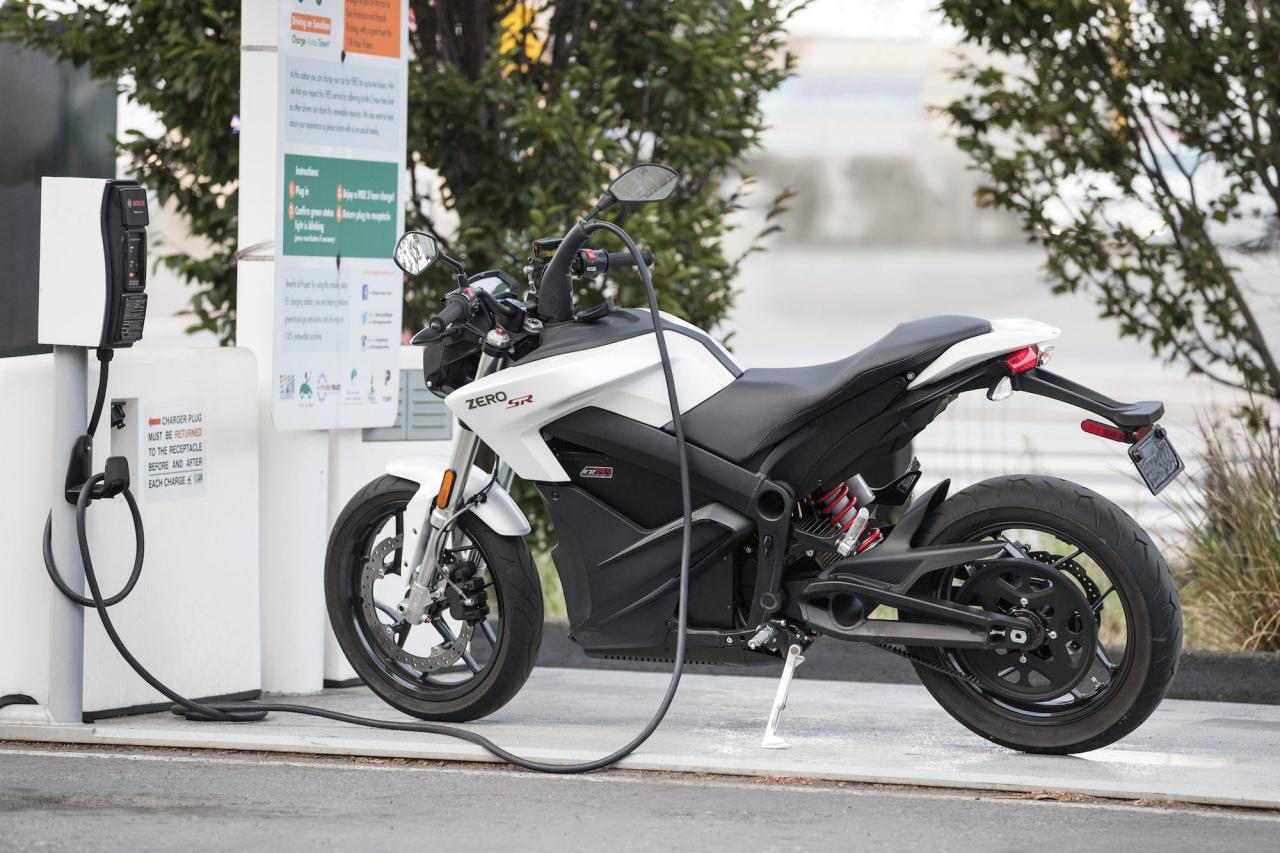
The roar of a gasoline engine has long been synonymous with the spirit of motorcycling, but a new, quieter, and profoundly transformative force is rapidly gaining momentum: the “Electric Motorcycle Revolution.” This isn’t merely an incremental improvement; it’s a fundamental reimagining of two-wheeled propulsion, driven by environmental imperative, technological breakthroughs, and a burgeoning demand for cleaner, smarter, and often more thrilling rides.
From silent urban commuters to high-performance beasts challenging traditional benchmarks, electric motorcycles are shedding old stereotypes and carving out a dominant presence in the future of personal mobility. This article will meticulously explore the multifaceted dynamics propelling this revolution, detailing the innovative technologies, diverse market segments, compelling benefits, and the significant challenges that must be navigated as electric motorcycles accelerate towards mainstream adoption and redefine the very essence of riding.
The Genesis of the Electric Motorcycle Revolution
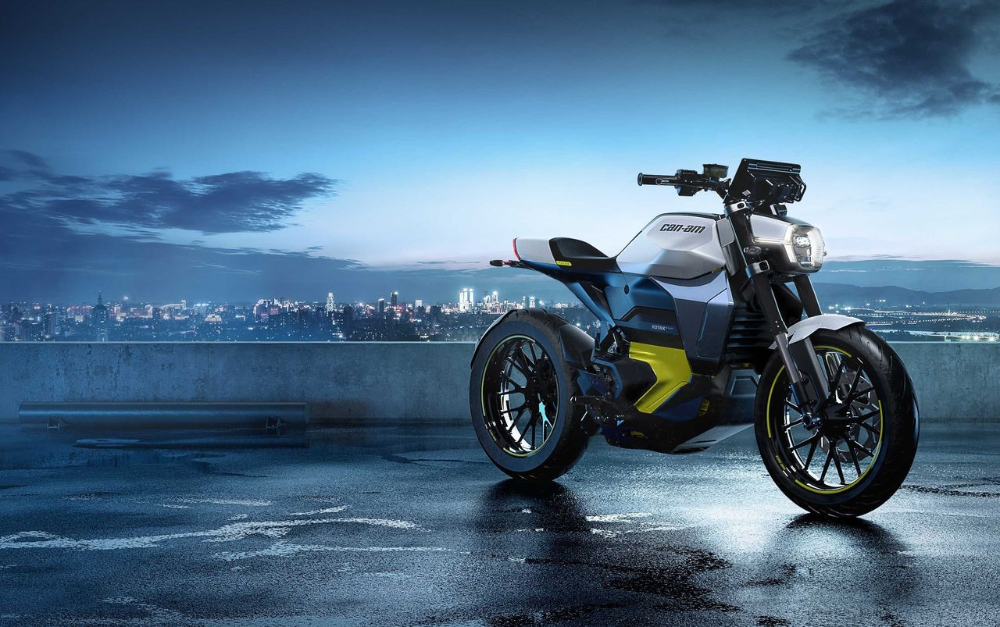
The shift towards electric motorcycles is a response to global challenges and opportunities, much like the broader electric vehicle transition, but with unique two-wheeled considerations.
A. Environmental Imperative:
* Impact: Conventional gasoline motorcycles, particularly in dense urban areas, contribute to air pollution (smog, particulate matter) and greenhouse gas emissions. Their often smaller engines can sometimes be less efficient than car engines for their power output, leading to disproportionate emissions for their size.
* Driving Force: The urgent need to reduce urban air pollution, combat climate change, and meet increasingly stringent emissions regulations in major cities worldwide is a primary catalyst for electrification. Electric motorcycles offer zero tailpipe emissions.
B. Technological Advancements:
* Impact: Significant progress in battery technology (higher energy density, faster charging), electric motor design (more compact, powerful, efficient), and power electronics has made electric motorcycles a viable and compelling alternative to their gasoline counterparts. These advancements were initially driven by the electric car market but have scaled down effectively for two-wheeled applications.
* Driving Force: Continuous innovation in energy storage and propulsion systems allows for extended range, exhilarating performance, and competitive charging times, overcoming previous limitations.
C. Urbanization and Mobility Needs:
* Impact: As cities become more densely populated, the demand for efficient, nimble, and sustainable personal transportation for commuting and navigating congested streets increases. Motorcycles are inherently good for urban mobility due to their small footprint.
* Driving Force: Electric motorcycles offer quiet operation, zero emissions for city centers (ideal for zones with restrictions), and low running costs, making them ideal for urban commuting and last-mile delivery solutions.
D. Performance and Riding Experience:
* Impact: Electric motors deliver instant, linear torque from zero RPM, providing exhilarating acceleration characteristics that can often surpass comparable gasoline bikes, particularly off the line. Their silent operation and lack of vibrations offer a unique, refined riding experience.
* Driving Force: The inherent performance advantages and a different, often more intuitive, riding sensation are attracting a new generation of riders and converting traditional enthusiasts.
E. Lower Running Costs:
* Impact: Electricity is typically cheaper than gasoline, and electric motorcycles have fewer moving parts, leading to significantly reduced maintenance requirements (no oil changes, spark plugs, filters, or complex gearboxes).
* Driving Force: The promise of substantial savings on fuel and maintenance over the vehicle’s lifespan makes electric motorcycles an economically attractive option for many.
F. Decreasing Battery Costs:
* Impact: The rapidly falling cost of lithium-ion batteries, largely driven by the scale of EV car production, makes electric motorcycles more affordable and competitive against gasoline bikes.
* Driving Force: Improved manufacturing processes, increased production volumes, and advancements in cell chemistry continue to drive down prices, making electric bikes more accessible.
Key Technologies Powering the Revolution
The “Electric Motorcycle Revolution” is fundamentally enabled by sophisticated engineering and the relentless refinement of core electric vehicle technologies, optimized for the unique demands of two-wheeled transport.
A. Advanced Battery Technology:
* Concept: The energy storage unit, typically lithium-ion battery packs, designed for high energy density (for range), high power output (for acceleration), and rapid charging.
* Innovations:
* Higher Energy Density: Packing more kWh into a smaller, lighter space (e.g., cell-to-pack designs, next-generation chemistries).
* Thermal Management Systems: Sophisticated liquid or air cooling systems to maintain optimal battery temperature for performance, longevity, and safety.
* Fast Charging Capabilities: Enabling significant range additions in short charging times (e.g., Level 2 and DC Fast Charging compatibility).
* Modular and Swappable Batteries: For smaller scooters and commuters, some manufacturers offer easily removable and swappable battery packs for quick “refueling” or off-board charging.
* Impact: Directly influences range, charging speed, weight, and the overall performance and practicality of the electric motorcycle.
B. High-Efficiency Electric Motors:
* Concept: The propulsion unit, converting electrical energy into mechanical energy. Designed for compact size, low weight, high torque, and efficiency across a wide RPM range.
* Innovations:
* Permanent Magnet Synchronous Motors (PMSM): Widely used for their high power density and efficiency.
* Direct Drive Motors: Often integrated directly into the wheel hub or swingarm, eliminating the need for a transmission and reducing losses.
* Liquid Cooling: For high-performance motors, liquid cooling ensures consistent power delivery and prevents overheating.
* Integrated Motor/Controller Units: Combining the motor and its inverter into a single, compact unit.
* Impact: Provides instant torque, smooth acceleration, quiet operation, and contributes to the overall efficiency and lightweight design.
C. Power Electronics and Motor Controllers:
* Concept: The “brain” of the electric powertrain, controlling the flow of electricity from the battery to the motor and managing energy regeneration during braking.
* Innovations:
* High-Frequency Inverters: Efficiently converting DC battery power to AC for the motor.
* Regenerative Braking Systems: Capturing kinetic energy during deceleration and feeding it back to the battery, extending range.
* Integrated Vehicle Control Units: Sophisticated software that manages power delivery, safety systems, and rider modes, integrating various components.
* Impact: Maximizes efficiency, enables regenerative braking, and provides fine-tuned control over the motorcycle’s performance characteristics.
D. Lightweight Chassis and Material Science:
* Concept: Designing frames and components to minimize weight, which is crucial for motorcycle handling, performance, and range, especially given the weight of the battery.
* Innovations:
* Aluminum Alloys: For frames, swingarms, and other structural components due to their strength-to-weight ratio.
* Carbon Fiber: Increasingly used for subframes, fairings, and wheels in high-performance models for ultimate weight reduction.
* Optimized Battery Integration: Designing the battery pack as a structural element of the chassis itself to save weight and space (e.g., “structural battery”).
* Impact: Improves handling dynamics, enhances performance, and helps offset the weight of the battery, leading to a more agile and enjoyable ride.
E. Connectivity and Smart Features:
* Concept: Integrating digital technology for enhanced user experience, remote management, and safety.
* Innovations:
* Smartphone Integration: Companion apps for checking charge status, locating charging stations, route planning, and remote diagnostics.
* GPS Tracking and Anti-Theft: Built-in tracking for security and recovery.
* Over-the-Air (OTA) Updates: Wirelessly updating firmware for performance improvements, bug fixes, or new features.
* Digital Dashboards: TFT or LCD screens displaying speed, range, charge status, navigation, and riding modes.
* Impact: Enhances convenience, provides real-time information, improves security, and ensures the motorcycle’s software remains current.
Diverse Market Segments and Applications
The “Electric Motorcycle Revolution” is not confined to a single type of bike; it’s expanding across virtually every segment, catering to a wide array of riders and use cases.
A. Urban Commuters and Scooters:
* Characteristics: Smaller, lighter, often with swappable batteries, designed for short-to-medium distance urban travel. Focus on practicality, low speed maneuverability, and cost-effectiveness.
* Examples: Niu, Gogoro, Ola Electric, smaller models from Zero Motorcycles.
* Impact: Ideal for dense cities, offering quiet, emissions-free, and agile alternatives to cars, especially in areas with traffic restrictions.
B. Naked Bikes and Streetfighters:
* Characteristics: Mid-to-high performance, often with exposed frames and aggressive styling, designed for spirited street riding and everyday use.
* Examples: Zero SR/F, LiveWire One (formerly Harley-Davidson LiveWire), Energica EsseEsse9.
* Impact: Appeals to traditional street bike enthusiasts looking for exhilarating electric performance and modern styling.
C. Sportbikes and Superbikes:
* Characteristics: High-performance machines designed for speed, acceleration, and track capability. Emphasis on power-to-weight ratio, aerodynamics, and advanced electronics.
* Examples: Energica Ego, Damon Hypersport, Lightning LS-218.
* Impact: Challenges gasoline-powered sportbikes on performance benchmarks, offering a unique, silent, and incredibly fast riding experience.
D. Cruisers:
* Characteristics: Designed for comfortable, relaxed riding, often with a low seat height, forward foot controls, and a focus on torque delivery at lower speeds.
* Examples: Indian eFTR Hooligan, some custom electric builds.
* Impact: Offers a classic riding style with modern, quiet electric propulsion, attracting traditional cruiser riders seeking a new experience.
E. Off-Road and Dirt Bikes:
* Characteristics: Lightweight, rugged bikes designed for trail riding, motocross, and enduro. Emphasis on suspension travel, ground clearance, and instant torque for climbing.
* Examples: Sur-Ron Light Bee, Cake Kalk, Zero FX/FXE.
* Impact: Provides a quiet and emissions-free way to enjoy off-road riding, opening up new trails and reducing noise pollution in natural environments.
F. Utility and Last-Mile Delivery:
* Characteristics: Purpose-built or adapted electric motorcycles and scooters for commercial applications, such as food delivery, parcel delivery, or urban logistics.
* Examples: Specialized fleet models, often with integrated cargo solutions and durable designs.
* Impact: Offers cost-effective, sustainable, and efficient solutions for urban delivery services, reducing operational expenses and environmental footprint.
Charging Infrastructure and Ecosystem Development
The widespread adoption of electric motorcycles is heavily reliant on a robust and accessible charging infrastructure, and the development of a supportive ecosystem.
A. Home Charging:
* Concept: The most common and convenient method, using standard household outlets (Level 1) or dedicated 240V outlets (Level 2).
* Impact: Provides overnight charging for daily commutes and ensures the bike is ready for use each morning.
B. Public Charging Networks:
* Concept: Access to Level 2 (AC) and DC Fast Charging (DCFC) stations in public locations (e.g., shopping centers, workplaces, dedicated charging hubs).
* Impact: Extends the practical range of electric motorcycles, enabling longer trips and reducing range anxiety.
C. Swappable Battery Stations:
* Concept: For smaller urban commuters and scooters, dedicated stations where depleted battery packs can be quickly exchanged for fully charged ones.
* Examples: Gogoro’s GoStation network, Niu’s battery swapping.
* Impact: Offers “refueling” times comparable to gasoline, addressing charging time concerns for urban riders and fleet operators.
D. Standardization of Charging Connectors:
* Concept: Ensuring common charging port types (e.g., CCS, Type 2, J1772) to allow seamless compatibility across different brands and charging networks.
* Impact: Reduces consumer confusion and facilitates easier access to charging infrastructure.
E. Smartphone Apps and Navigation:
* Concept: Integrated apps that help riders locate available charging stations, check compatibility, initiate charging sessions, and plan routes with charging stops.
* Impact: Enhances user convenience and reduces “range anxiety” by providing real-time charging information.
F. Government Incentives and Regulations:
* Concept: Policies that support EV adoption, such as purchase subsidies, tax credits, reduced registration fees, and access to HOV lanes or restricted zones.
* Impact: Accelerates consumer adoption by reducing upfront costs and offering operational advantages.
Challenges and the Road Ahead

Despite the exhilarating progress, the “Electric Motorcycle Revolution” faces several significant hurdles that require ongoing innovation and strategic planning.
A. Range and Battery Life:
* Challenge: While improving, battery range is still a primary concern for many riders, especially for longer tours or those without easy access to charging. Battery degradation over time is also a consideration.
* Solution: Continued research into higher energy density batteries, more efficient powertrains, and improved thermal management systems. Robust warranty programs for battery packs.
B. Charging Infrastructure Availability and Speed:
* Challenge: While growing, public charging infrastructure is not yet as ubiquitous as gasoline stations. Fast charging for motorcycles, especially on a mass scale, is still developing.
* Solution: Expansion of public charging networks (both AC and DCFC), standardization, and dedicated motorcycle-friendly charging solutions.
C. Upfront Cost:
* Challenge: Electric motorcycles often have a higher initial purchase price than comparable gasoline models, mainly due to battery costs.
* Solution: Decreasing battery costs through economies of scale, government incentives, and the long-term benefit of lower running and maintenance costs.
D. Weight and Handling:
* Challenge: Batteries are heavy, which can impact the overall weight and handling characteristics of an electric motorcycle, particularly for performance models.
* Solution: Advanced lightweight materials, structural battery designs, and optimized chassis geometry to counteract battery weight.
E. Sound (or Lack Thereof):
* Challenge: While some appreciate the quietness, many traditional riders miss the characteristic sound of a gasoline engine, which is part of the riding experience and can also be a safety cue for pedestrians.
* Solution: Some manufacturers are experimenting with artificial sounds or haptic feedback, while others embrace the silent ride as a new experience. Pedestrian warning systems are crucial.
F. Public Perception and Rider Education:
* Challenge: Overcoming misconceptions about performance, range, and the “soul” of electric motorcycles. Educating new and existing riders on EV specifics like charging, regenerative braking, and range management.
* Solution: Demonstrations, test rides, positive media coverage, and comprehensive rider training programs tailored for electric bikes.
G. Repair and Servicing:
* Challenge: The need for specialized training for technicians to safely and effectively service high-voltage electric powertrains and battery systems.
* Solution: Investment in training programs for dealerships and independent service centers.
H. Battery Recycling and Sustainability:
* Challenge: Ensuring environmentally responsible recycling of lithium-ion batteries at their end of life, and securing ethical sourcing of critical battery minerals.
* Solution: Developing robust recycling infrastructure, promoting battery second-life applications, and enforcing transparent, ethical supply chains.
Conclusion
The headline “Electric Motorcycles: Powering Future Rides” is a powerful testament to the unstoppable momentum of a burgeoning segment. What was once a niche interest is now a formidable force, rapidly advancing towards mainstream adoption. Electric motorcycles offer a compelling blend of exhilarating performance, environmental responsibility, and economic practicality, redefining the very essence of two-wheeled mobility. As battery technology continues its astonishing progress, charging infrastructure expands, and public perception shifts, the silent, powerful hum of an electric motor will increasingly become the soundtrack of our roads. The revolution is well underway, and its impact on personal transport and urban landscapes will be profound, promising a cleaner, quieter, and more dynamic future for riders worldwide.