
The Vision Behind Driverless Transport Trials
The fundamental impetus behind the massive global investment in driverless transport trials stems from a powerful vision to address some of humanity’s most pressing challenges while unlocking unprecedented opportunities.
A. Enhancing Road Safety:
* Impact: Human error is statistically the overwhelming cause of road accidents, resulting in millions of fatalities and injuries annually. Fatigue, distraction, impairment, and aggressive driving contribute significantly to these tragic statistics.
* Challenge: Autonomous systems are designed to operate without these human frailties, theoretically leading to a dramatic reduction in collisions and a significant improvement in road safety. Trials aim to prove this safety record in real-world conditions.
B. Alleviating Traffic Congestion:
* Impact: Inefficient human driving behaviors (e.g., inconsistent speeds, late braking, poor lane discipline) contribute significantly to traffic jams, causing economic losses and environmental pollution.
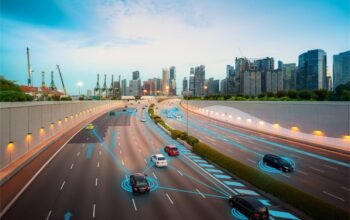
* Challenge: Autonomous vehicles, communicating with each other (V2V) and with smart infrastructure (V2I), can drive more efficiently, maintain optimal following distances, and coordinate movements, leading to smoother traffic flow and increased road capacity. Trials test these cooperative driving capabilities.
C. Reducing Environmental Impact:
* Impact: Stop-and-go traffic and inefficient driving patterns in human-driven vehicles lead to increased fuel consumption and higher emissions.
* Challenge: Autonomous vehicles can operate with greater fuel or energy efficiency through optimized acceleration, braking, and routing. Electrified autonomous fleets further amplify these environmental benefits. Trials assess energy consumption and emissions reductions.
D. Improving Accessibility and Inclusivity:
* Impact: Traditional transportation systems can present significant barriers for individuals who cannot drive (e.g., the elderly, people with disabilities, those without licenses due to age or economic factors).
* Challenge: Driverless transport offers the potential for “mobility for all,” providing independent transportation options for these underserved populations, enhancing their access to work, healthcare, and social activities. Trials evaluate accessibility features and user experience for diverse groups.
E. Lowering Transportation Costs:
* Impact: The cost of human labor (drivers) is a significant component of commercial transportation (e.g., trucking, taxis, public transit). Vehicle downtime and maintenance also add to costs.
* Challenge: Driverless vehicles could significantly reduce operational costs by eliminating the need for human drivers, operating 24/7, and potentially optimizing maintenance cycles. Trials quantify these economic benefits in various applications.
F. Unlocking New Business Models and Services:
* Impact: Autonomous technology enables entirely new forms of mobility, such as robotaxis, autonomous delivery services, and highly personalized on-demand transport.
* Challenge: Exploring and validating these new revenue streams and service models through real-world trials, adapting to consumer preferences and regulatory environments.
Global Landscape of Driverless Transport Trials
Driverless transport trials are not confined to a single region; they are a truly global phenomenon, with each country and company contributing unique insights and pushing different frontiers.
A. United States: Hub of Innovation and Diverse Applications:
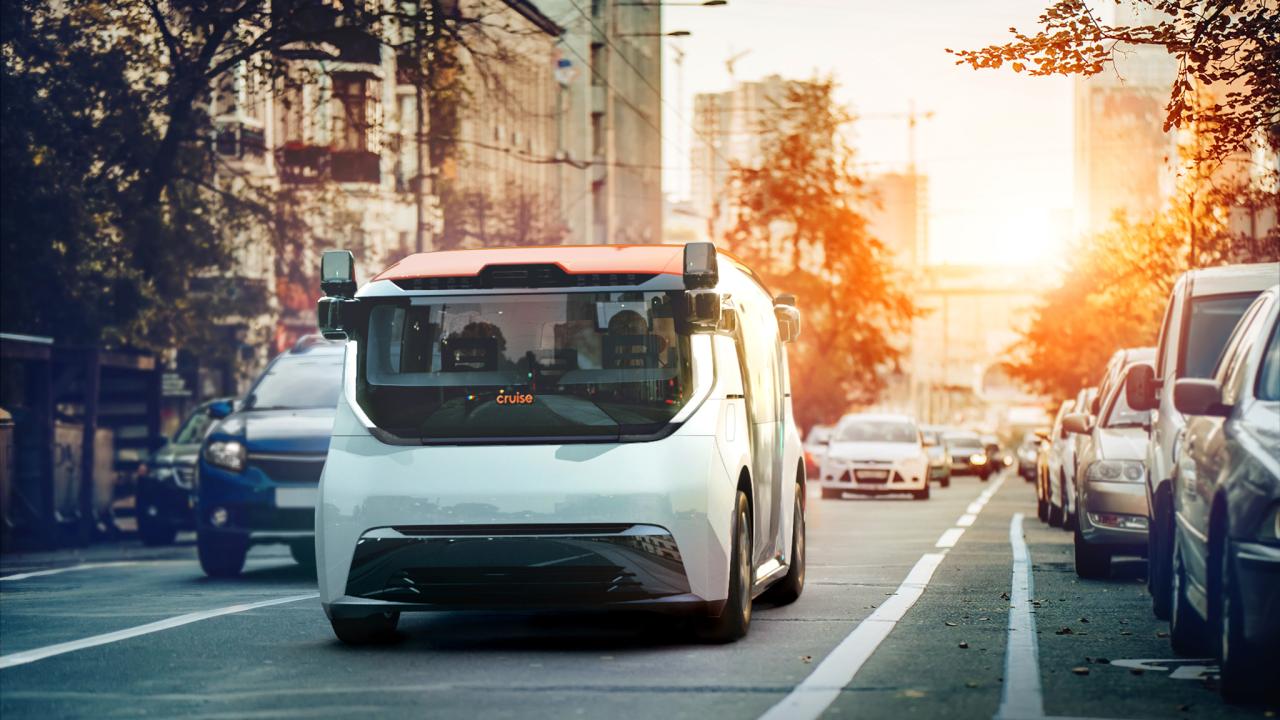
* Key Players: Waymo (Google’s self-driving unit), Cruise (GM’s AV unit), Argo AI (Ford/VW-backed, now defunct, but its work was foundational), Zoox (Amazon), Motional (Hyundai/Aptiv).
* Trial Focus: Widespread robotaxi services in cities like Phoenix, San Francisco, and Austin. Autonomous trucking on highways (e.g., Waymo Via, Aurora). Autonomous last-mile delivery services. Testing in diverse weather conditions and complex urban environments.
* Progress: Waymo and Cruise operate fully driverless (Level 4) robotaxi services in select areas, gradually expanding operations.
B. China: Rapid Deployment and Policy Support:
* Key Players: Baidu (Apollo), Pony.ai, AutoX, WeRide.
* Trial Focus: Aggressive rollout of robotaxi services (Robotaxi) in multiple cities (e.g., Beijing, Guangzhou, Shenzhen), often with strong government support. Focus on complex urban scenarios and the integration of AVs into smart city infrastructure. Autonomous trucking and logistics.
* Progress: China is rapidly building out AV testing and operational zones, aiming for widespread deployment and leadership in autonomous driving.
C. Europe: Regulatory Focus and Public Transport Integration:
* Key Players: Major European automakers (Mercedes-Benz, Audi, Volvo), often collaborating with tech companies. Various pilot projects funded by the EU.
* Trial Focus: Emphasis on Level 3 (conditional autonomy) for passenger vehicles, autonomous shuttle services in controlled environments (e.g., university campuses, airports, designated public routes), and autonomous logistics within industrial zones. Strong regulatory frameworks (e.g., UNECE R157 for Level 3 ALKS).
* Progress: Germany has approved Level 3 systems for commercial use on specific highways. Numerous shuttle trials are ongoing across cities.
D. Japan: Safety, Elderly Mobility, and Logistics:
* Key Players: Toyota (Woven Planet), Honda, Nissan, alongside various tech and robotics companies.
* Trial Focus: Addressing Japan’s aging population with autonomous mobility solutions for the elderly. Autonomous public transport in suburban areas. Logistics automation for last-mile delivery and within industrial parks. Preparing for major events like expos.
* Progress: Pilot programs in specific zones, often with a focus on specific societal needs.
E. Other Notable Regions:
* Singapore: A pioneer in autonomous taxi trials (nuTonomy, Motional) and autonomous bus services, driven by limited land and high population density.
* South Korea: Hyundai and Kia actively developing and testing autonomous vehicles, with a focus on their domestic market and smart city integration.
* Middle East (e.g., UAE): Investing heavily in smart city initiatives, including large-scale autonomous transport plans and trials (e.g., Dubai’s vision for 25% autonomous trips by 2030).
Applications and Use Cases Undergoing Trial
Driverless transport trials aren’t just about personal cars; they encompass a wide array of mobility and logistics solutions, each with specific requirements and benefits.
A. Robotaxis (Autonomous Ride-Hailing):
* Concept: On-demand passenger transport using fully autonomous vehicles, accessible via a smartphone app.
* Trial Focus: Safety of driverless operation in complex urban environments, customer experience, scalability, and economic viability compared to human-driven ride-hailing.
* Impact: Potential to revolutionize personal mobility, reduce private car ownership, and provide affordable, ubiquitous transport.
B. Autonomous Shuttles and Public Transport:
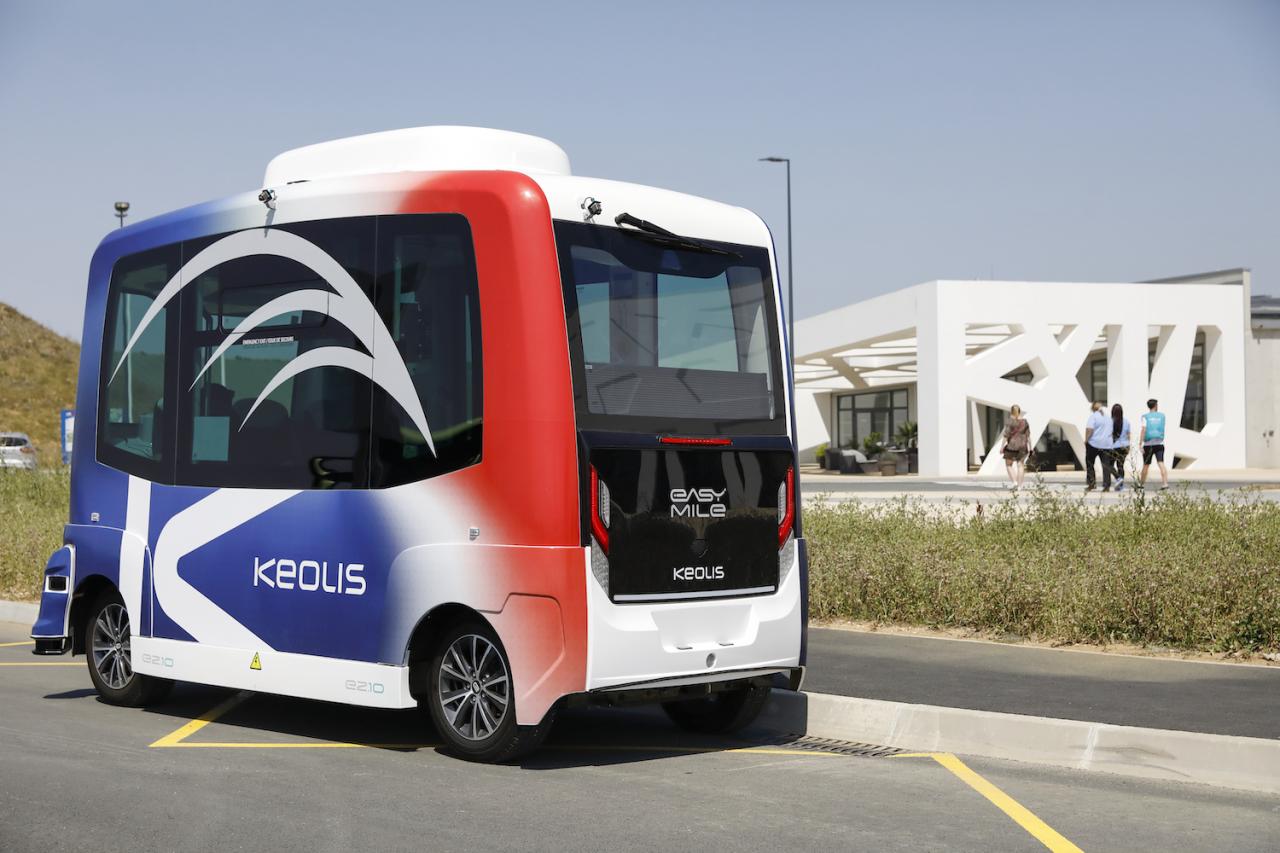
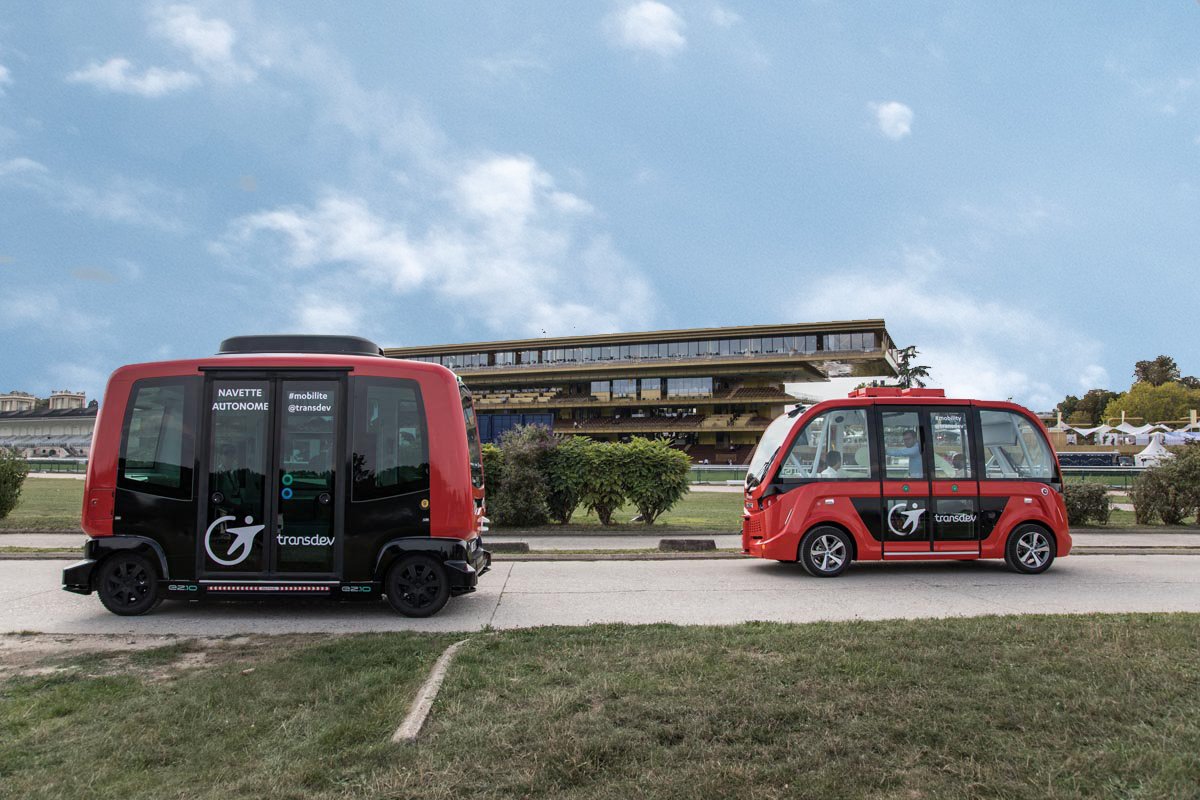
* Concept: Driverless minibuses or shuttles operating on fixed or dynamic routes, often in controlled environments (e.g., campuses, airports, specific city loops).
* Trial Focus: First/last-mile connectivity, integration with existing public transport networks, operational reliability, and public acceptance in semi-public settings.
* Impact: Enhances public transport reach, reduces operational costs, and offers sustainable shared mobility options.
C. Autonomous Trucking and Logistics:
* Concept: Self-driving heavy-duty trucks operating on highways (often “hub-to-hub” with human drivers for last-mile) and autonomous delivery vehicles for urban last-mile logistics.
* Trial Focus: Platooning (trucks driving closely together for aerodynamic efficiency), long-haul highway driving (Level 4), navigating depots, and ensuring cargo security.
* Impact: Addresses driver shortages, improves logistics efficiency, reduces fuel consumption, and potentially lowers shipping costs.
D. Autonomous Delivery Vehicles (ADVs):
* Concept: Smaller, typically electric, autonomous vehicles (often sidewalk or low-speed road-based) for delivering groceries, packages, or food to consumers.
* Trial Focus: Navigating pedestrian environments, overcoming obstacles, interacting with humans, and ensuring security of goods.
* Impact: Offers cost-effective, emissions-free last-mile delivery, especially in dense urban areas.
E. Autonomous Mining and Industrial Transport:
* Concept: Driverless heavy machinery and transport vehicles operating in closed, controlled environments like mines, ports, and large factories.
* Trial Focus: Extreme environment robustness, precision operation, remote monitoring, and integration with industrial automation systems.
* Impact: Significantly enhances safety in hazardous environments, increases operational efficiency, and reduces labor costs in repetitive tasks.
Challenges and Hurdles in Driverless Transport Trials
Despite rapid progress, numerous complex challenges must be overcome for widespread, safe, and equitable deployment of driverless transport.
A. Safety Validation and Robustness:
* Challenge: Proving that autonomous systems are significantly safer than human drivers in all foreseeable conditions, including “edge cases” (rare, complex scenarios). Handling unexpected events, adverse weather, and unpredictable human behavior remains difficult.
* Solution: Billions of miles of testing (physical and simulated), rigorous safety standards (e.g., ISO 26262), independent third-party validation, and continuous data collection for system improvement.
B. Regulatory Framework and Legal Liability:
* Challenge: Developing comprehensive and harmonized legal frameworks that address vehicle certification, operational rules, and liability in the event of an accident involving an autonomous vehicle. Different jurisdictions have different rules.
* Solution: Collaborative efforts between governments, industry, and legal experts to create adaptive regulations, “regulatory sandboxes” for testing, and clear liability models.
C. Public Acceptance and Trust:
* Challenge: Overcoming public skepticism, fear, and a lack of trust in autonomous technology, especially after high-profile incidents. Educating the public on the benefits and safety aspects is crucial.
* Solution: Transparent communication, successful and visible pilot programs, gradual phased deployment, and effective public education campaigns.
D. Cybersecurity and Data Privacy:
* Challenge: Protecting autonomous vehicles and their vast data streams from malicious cyberattacks (e.g., hacking, spoofing sensors) and ensuring the privacy of collected user data.
* Solution: Robust “secure by design” principles, continuous vulnerability management, advanced encryption, and strict data governance policies.
E. Infrastructure Readiness and Digital Mapping:
* Challenge: While AVs are designed to operate independently, a smart infrastructure can provide crucial context. Ensuring the availability of high-definition maps that are accurate and constantly updated, and the deployment of necessary V2X communication infrastructure.
* Solution: Investment in smart city technologies, collaboration between AV companies and mapping providers, and standardized communication protocols.
F. Cost and Scalability:
* Challenge: The high cost of current autonomous hardware (sensors, computing) and software development makes widespread commercial deployment expensive. Scaling operations efficiently is also complex.
* Solution: Economies of scale, technological advancements that reduce hardware costs, modular software development, and innovative business models (e.g., Robotaxis sharing costs).
G. Weather and Environmental Robustness:
* Challenge: Ensuring reliable autonomous operation in extreme weather conditions (heavy snow, dense fog, torrential rain) that significantly degrade sensor performance.
* Solution: Advanced sensor fusion, redundant sensor arrays, AI models trained on diverse weather data, and potentially “fail-safe” operating modes.
H. Ethical Dilemmas:
* Challenge: Programming autonomous vehicles to make complex ethical decisions in unavoidable accident scenarios (e.g., “trolley problem” type situations).
* Solution: Ongoing public discourse, ethical guidelines for AI development, and transparent decision-making frameworks that align with societal values.
The Transformative Impact and Future of Driverless Transport
The ongoing “Driverless Transport Trials” are not just about making cars drive themselves; they are foundational to a much broader societal transformation.
A. Reshaping Urban Landscapes:
* Impact: Reduced need for parking spaces (as shared AVs can continuously circulate), potential for reclaiming land from car parks for green spaces, housing, or public amenities. More efficient use of road space.
* Future: Smart cities designed around autonomous mobility, with dedicated AV lanes, optimized traffic flow, and integrated multimodal transport hubs.
B. Revolutionizing Logistics and Supply Chains:
* Impact: 24/7 autonomous trucking, optimized delivery routes, and automated last-mile delivery could dramatically reduce shipping costs and improve supply chain efficiency and resilience.
* Future: Highly automated logistics networks, fewer human drivers in long-haul trucking, and rapid, on-demand urban deliveries.
C. Economic Opportunities and Job Shifts:
* Impact: Creation of new industries (AV software, sensor manufacturing, robotaxi operations, AV maintenance) alongside shifts in existing jobs (e.g., decline in human driving roles, increase in remote monitoring and fleet management).
* Future: A re-skilled workforce, new economic growth sectors, and potentially greater labor force participation for those currently limited by transport access.
D. Personal Mobility Redefined:
* Impact: Car ownership could become less prevalent in urban areas as robotaxis offer a more convenient and cost-effective alternative. Increased freedom of movement for non-drivers.
* Future: Mobility as a Service (MaaS) becomes dominant, offering seamless, personalized, and on-demand travel experiences without the burden of vehicle ownership.
E. Data-Driven Insights for Urban Planning:
* Impact: The vast amount of data generated by autonomous fleets and smart infrastructure provides unprecedented insights into mobility patterns, infrastructure needs, and urban development opportunities.
* Future: Highly optimized and responsive urban planning, allowing cities to adapt rapidly to changing mobility demands and environmental goals.
Conclusion
The headline “Driverless Transport Trials: Future Unleashed” aptly captures the profound significance of these global experiments. They represent humanity’s collective ambition to create a safer, more efficient, and more equitable transportation system. While formidable technological, regulatory, and social hurdles remain, the relentless progress in these trials demonstrates that autonomous transport is not a distant dream, but an inevitable reality. The lessons learned, the data gathered, and the breakthroughs achieved in these trials are meticulously paving the way for a future where our journeys are not just effortless and seamless, but fundamentally transformative for societies worldwide. The road to autonomy is long, but these trials prove we’re firmly on the path.