
The global automotive industry is currently witnessing a tectonic shift as we transition from human-operated machines to fully autonomous transportation systems. At the very heart of this revolution lies the sensor suite architecture, a sophisticated network of electronic “eyes” and “ears” that allow a vehicle to perceive its surroundings with superhuman precision. Building a high-performance autonomous system requires more than just high-quality hardware; it demands a seamless integration of diverse sensing technologies that can function in harmony under extreme conditions. Engineers must design these architectures to handle massive data throughput while maintaining the highest levels of safety and redundancy.
A single failure in perception could lead to catastrophic results, which is why the industry is moving toward a “multi-modal” approach. This means combining the strengths of light-based, radio-based, and sound-based sensors to create a comprehensive digital map of the world in real-time. In this article, we will explore the intricate layers of advanced sensor suites, from the hardware level to the complex data fusion algorithms that drive decision-making. We will look at how these systems handle different weather patterns, urban obstacles, and high-speed highway navigation. Understanding the architecture of these systems is essential for anyone interested in the future of mobility and the engineering marvels that make self-driving cars a reality.
The Foundation of Multi-Modal Perception
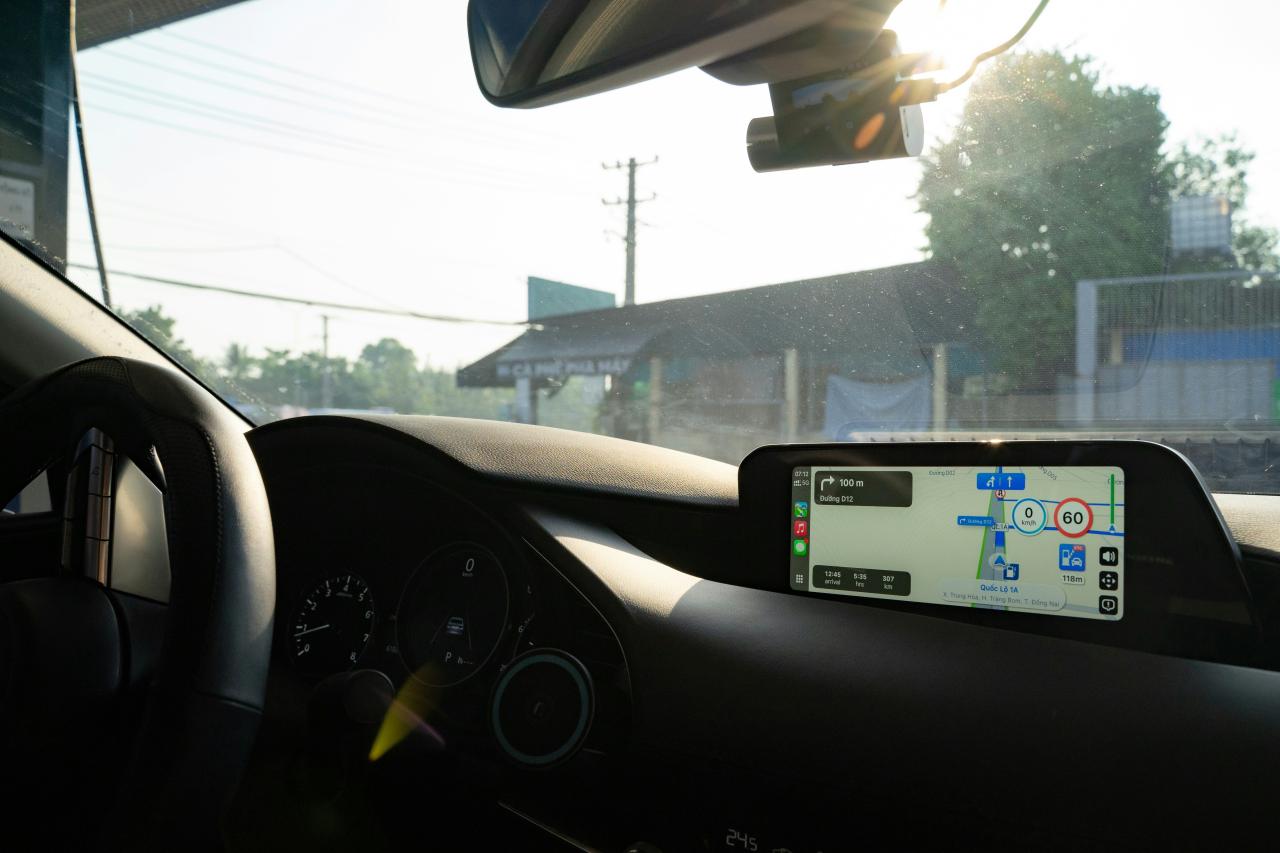
A high-performance autonomous vehicle does not rely on a single type of sensor because every technology has its specific weaknesses. Instead, engineers use a combination of various inputs to ensure the vehicle never “goes blind” in any environment.
A. LiDAR (Light Detection and Ranging)
LiDAR uses laser pulses to create high-resolution 3D point clouds of the environment. It is the gold standard for depth perception and object detection, providing centimeter-level accuracy for mapping the physical world.
B. Radar (Radio Detection and Ranging)
Radar is essential for detecting the speed and distance of moving objects, especially in poor weather. Unlike cameras or LiDAR, radar waves can penetrate fog, heavy rain, and snow without losing effectiveness.
C. High-Resolution Optical Cameras
Cameras are the only sensors capable of “reading” the world in terms of color and text. They are used for traffic light recognition, reading road signs, and identifying lane markings on the pavement.
Designing for Hardware Redundancy
In the world of autonomous driving, redundancy is the most important safety feature. If one sensor fails, the architecture must have a backup system ready to take over immediately.
A. Overlap in Field of View
Engineers design the sensor layout so that every critical area around the car is covered by at least two different types of sensors. This ensures that a lens flare on a camera won’t stop the car from seeing a pedestrian if the LiDAR is still active.
B. Distributed Computing Units
The processing of sensor data is often split across multiple electronic control units (ECUs). This prevents a single computer failure from shutting down the entire vehicle’s perception system.
C. Fail-Safe Power Supplies
Sensor suites require a stable and redundant power source to function. High-performance vehicles often use dual-battery systems to ensure the sensors stay powered even if the main electrical system has an issue.
The Complexity of Data Fusion
Data fusion is the process of taking raw inputs from all sensors and combining them into a single, unified model of the environment. This is where the real “intelligence” of the architecture lives.
A. Late Fusion vs. Early Fusion
In early fusion, raw data from all sensors is combined before being processed by AI. Late fusion allows each sensor to identify objects independently before a central system compares the results to make a final decision.
B. Kalman Filters and Predictive Modeling
These mathematical algorithms help the vehicle predict where an object will be in the next few seconds. This is crucial for smooth braking and avoiding collisions with fast-moving cyclists or other cars.
C. Semantic Segmentation
This is an AI process where every pixel in a camera feed is labeled (e.g., “road,” “sidewalk,” “human”). It allows the vehicle to understand not just that something is there, but exactly what it is.
Overcoming Environmental Challenges
One of the biggest hurdles for autonomous electronics is maintaining performance in harsh outdoor conditions.
A. Active Sensor Cleaning Systems
Modern sensor suites include tiny nozzles that spray water or air to clean mud and dust off camera lenses and LiDAR covers. Without this, a single splash of mud could disable the entire self-driving system.
B. Thermal Management for Sensors
High-performance sensors and processors generate a significant amount of heat. Advanced architectures use liquid cooling or specialized heat sinks to keep the electronics at an optimal operating temperature.
C. Interference Mitigation
As more autonomous cars hit the road, their sensors might interfere with each other. Engineers are developing “coded” signals for Radar and LiDAR to ensure a car only listens to its own pulses.
High-Speed Data Networking
The amount of data generated by a full sensor suite is staggering, often reaching several gigabytes per second. This requires a specialized internal network.
A. Automotive Ethernet
Traditional wiring is too slow for autonomous needs. Automotive Ethernet provides the high-bandwidth connection necessary to move massive video and 3D data files from the sensors to the central brain.
B. Time-Sensitive Networking (TSN)
This technology ensures that the most critical data (like a collision warning) gets priority on the network. It guarantees that there is zero “lag” between a sensor seeing an obstacle and the brakes being applied.
C. Zonal Architecture Design
To save weight and complexity, sensors are grouped into “zones” (e.g., front-left, rear-right). Each zone has a local gateway that aggregates data before sending it to the central processor via a high-speed trunk.
The Integration of Ultrasonic Sensors
While LiDAR and Radar handle long distances, ultrasonic sensors are the kings of the “near-field” environment.
A. Parking and Curb Detection
Ultrasonic sensors use sound waves to detect very close objects. They are vital for automated parking maneuvers where the car needs to be within inches of a wall or another vehicle.
B. Blind Spot Monitoring
These sensors are often embedded in the bumpers to provide a constant 360-degree safety bubble. They act as the final line of defense against side-impact collisions during lane changes.
C. Low-Speed Maneuvering
In heavy traffic or tight city streets, ultrasonic sensors provide the high-frequency updates needed for micro-adjustments in steering and speed.
Processing Power: The On-Board Supercomputer
Transforming sensor data into driving actions requires immense computational power, often rivaling high-end gaming rigs or servers.
A. GPGPU Acceleration
General-purpose graphics processing units are used to run deep learning models in real-time. They are specifically designed to handle the parallel processing required for video and point cloud analysis.
B. Custom ASICs (Application-Specific Integrated Circuits)
Some companies build their own custom chips designed solely for autonomous driving. These chips are far more efficient and faster than standard processors because they are optimized for specific sensor tasks.
C. Hardware Security Modules (HSM)
To prevent hacking, the central computer uses specialized hardware to encrypt all sensor data. This ensures that no one can inject “fake” sensor data into the car’s decision-making engine.
Localization and Mapping Systems
Sensors are not just for seeing obstacles; they are also used to figure out exactly where the car is on the planet.
A. HD Map Matching
The car compares its real-time LiDAR scans against a pre-existing “High-Definition Map.” If the scans match the map, the car knows its position down to the centimeter.
B. IMU (Inertial Measurement Unit)
This sensor measures the car’s rotation and acceleration. If the GPS signal is lost in a tunnel, the IMU helps the car “count” its movements to stay on track.
C. GNSS with RTK (Real-Time Kinematic)
Standard GPS is only accurate to a few meters. Using RTK technology, autonomous cars can achieve precision that allows them to stay perfectly centered in a narrow lane.
Human-Machine Interface (HMI) and Sensor Feedback
The sensor suite also plays a role in how the car communicates its “thoughts” to the human passengers.
A. Confidence Visualization
Many autonomous cars display a digital version of what the sensors see on a screen for the passengers. This builds trust by showing that the car is aware of the truck in the next lane or the cyclist ahead.
B. Haptic and Auditory Alerts
If the sensors detect a high-risk situation that requires human intervention, the architecture triggers vibrating seats or 3D directional audio to alert the driver immediately.
C. External Communication (V2X)
In the future, sensors will share their data with other cars (Vehicle-to-Vehicle) and traffic lights (Vehicle-to-Infrastructure). This allows a car to “see” around a corner by looking through the sensors of the car ahead of it.
The Testing and Validation Phase
Before a sensor suite architecture can be sold to the public, it must undergo millions of miles of rigorous testing.
A. Hardware-in-the-Loop (HiL) Testing
Engineers plug the real sensor hardware into a massive flight simulator for cars. They can test how the sensors react to thousands of dangerous scenarios without ever leaving the lab.
B. Corner-Case Simulation
AI is used to generate “nightmare” scenarios, like a person wearing a reflective suit during a rainstorm at night. This ensures the sensor suite can handle even the rarest and most difficult visual conditions.
C. Real-World Fleet Testing
Companies deploy thousands of cars to collect data from real roads. This “shadow mode” testing allows the AI to practice driving in the background while a human is still in control.
Conclusion
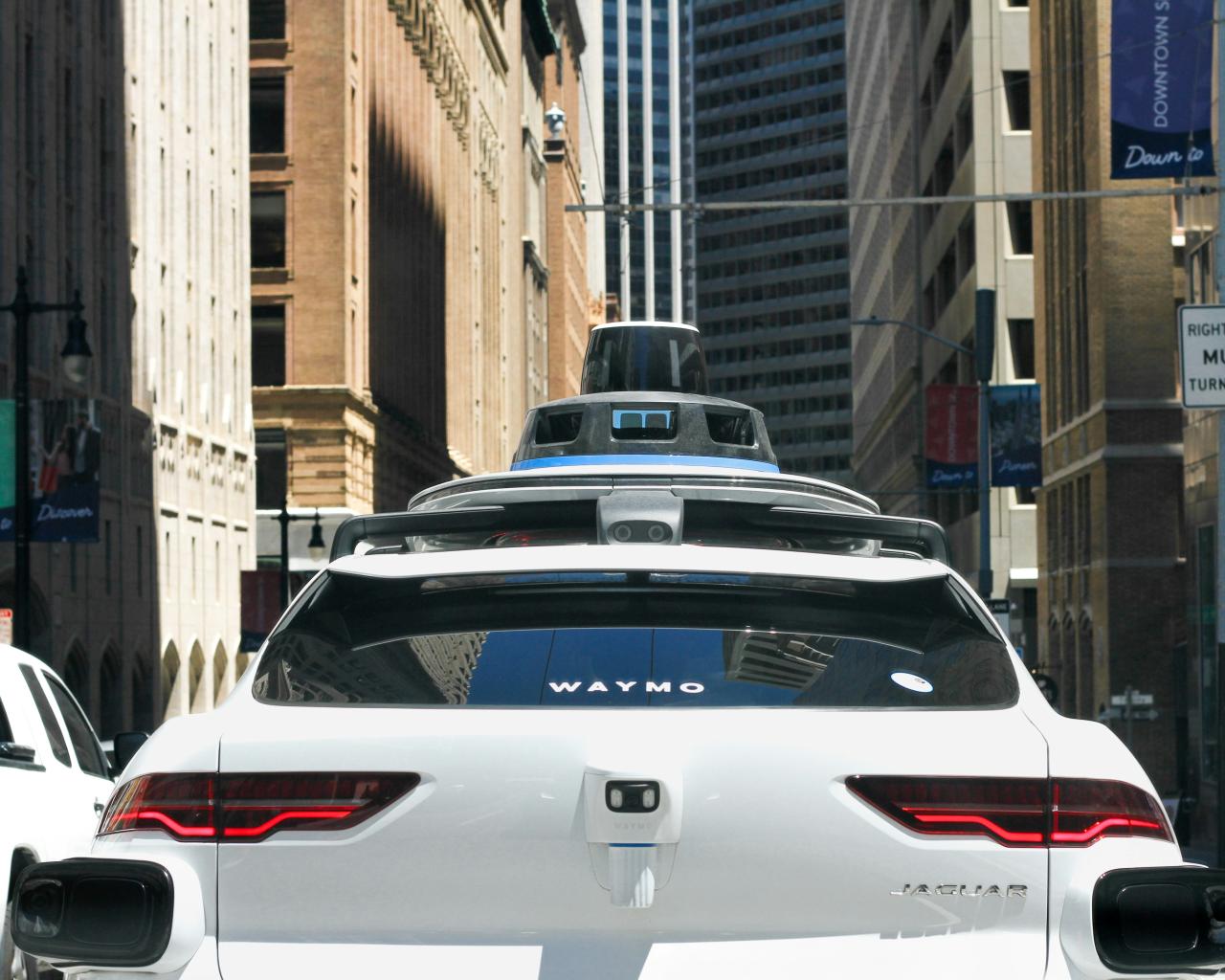
The architecture of an autonomous sensor suite is the most complex electronic system ever put into a consumer product. It requires a flawless combination of LiDAR, Radar, and cameras to ensure a 360-degree view of the world. Safety and redundancy are the core principles that guide every engineering decision in this field. Multi-modal perception ensures that the vehicle can navigate safely in everything from bright sunlight to heavy fog. Data fusion remains the most difficult challenge, requiring massive amounts of real-time processing power.
The transition to zonal architecture is helping to reduce the weight and complexity of modern vehicle wiring. High-speed networking is essential for moving the gigabytes of data generated every second by the sensor array. Environmental protection systems ensure that mud, rain, and heat do not interfere with the vehicle’s vision. Redundant power supplies and computing units protect the car from single points of failure. Localization technologies allow self-driving cars to know their position with centimeter-level accuracy.
The future of autonomous driving depends on our ability to make these sensors cheaper and more durable. Testing through both simulation and real-world miles is the only way to prove these systems are safe for the public. Ethical considerations and bias detection are becoming part of the software development lifecycle for these chips. V2X communication will eventually allow sensors to talk to each other across entire city grids. This technological leap is transforming the car from a simple machine into a mobile supercomputer. The innovation happening in automotive electronics today will likely find its way into robots and drones tomorrow. Ultimately, the goal of these advanced architectures is to eliminate human error and save millions of lives on the road.