


The automotive sector is currently experiencing a monumental shift that rivals the invention of the assembly line itself. As we move away from traditional internal combustion engines, the convergence of electrification and artificial intelligence is creating a new paradigm for global mobility. For large-scale enterprises, managing a fleet is no longer just about logistics and maintenance schedules; it is now about mastering a complex ecosystem of data, energy, and autonomous algorithms.
As a mechanical engineer and automotive journalist, she believes that the future of transportation lies in the seamless integration of self-driving technology with sustainable power sources. This evolution requires a sophisticated understanding of how autonomous electric vehicles (AEVs) interact with urban infrastructure and smart power grids.
Strategic management in this era involves balancing the high initial capital expenditure with the massive long-term gains in operational efficiency and safety. To truly succeed, fleet operators must look beyond the vehicles themselves and focus on the digital frameworks that keep them moving. This guide explores the advanced methodologies used by industry leaders to build resilient, self-sustaining, and highly intelligent autonomous fleets. We are entering a period where the way we move goods and people will be defined by silent, driverless, and carbon-neutral systems.
The Architecture of Autonomous Fleet Intelligence
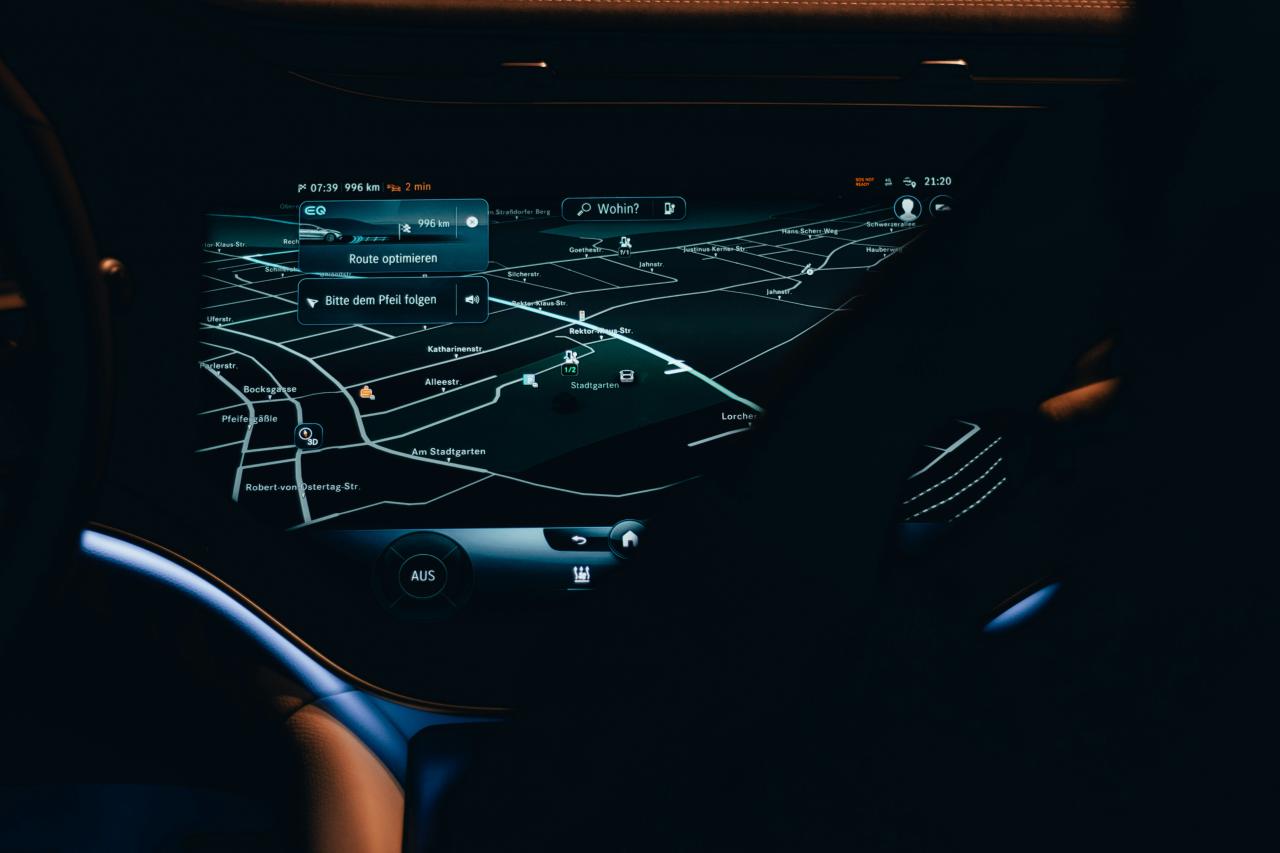
The brain of any modern AEV fleet is its centralized management software, which must process billions of data points every second. This intelligence layer is responsible for everything from pathfinding and obstacle avoidance to energy conservation and predictive maintenance. A well-designed architecture ensures that each vehicle functions as a node in a larger, smarter network.
A. Implementing Distributed Computing for Real-Time Sensor Fusion
B. Utilizing Machine Learning Models for Urban Navigation Logic
C. Developing Redundant Communication Protocols for Safe Operation
D. Analyzing Data Latency in High-Density Vehicle Environments
E. Integrating Edge Processing for Immediate Decision Making
Edge processing allows a vehicle to make split-second safety decisions without waiting for a signal from a central server. This is critical in preventing accidents in unpredictable city environments. By distributing the workload, the system remains fast and responsive under heavy loads.
Strategic Energy Management and Infrastructure
Switching to an electric fleet introduces the challenge of energy logistics, which is far more complex than simple refueling. Fleet managers must now consider peak grid demand, charging speeds, and the degradation cycles of large-scale lithium-ion or solid-state batteries. A strategic approach to energy ensures that vehicles spend more time on the road and less time at the plug.
A. Implementing Automated Smart Charging and Load Balancing
B. Utilizing Vehicle-to-Grid Systems for Energy Cost Recovery
C. Developing Predictive Algorithms for Battery Health Monitoring
D. Analyzing the Impact of Rapid Charging on Long-Term Drivetrains
E. Managing Infrastructure Scaling for Large Scale Depots
Smart charging systems can automatically schedule power draws for when electricity is cheapest and most sustainable. This reduces the total cost of ownership significantly over the lifespan of the fleet. Predictive monitoring ensures that batteries are replaced before they fail, avoiding costly downtime.
The Evolution of Autonomous Maintenance Protocols
Traditional maintenance is reactive, but autonomous fleets require a proactive and highly automated approach. Sensors throughout the AEV can detect microscopic wear and tear in the drivetrain or suspension before a human inspector would notice. This allows for a “self-healing” fleet model where vehicles schedule their own service appointments based on real-time health data.
A. Implementing Over-the-Air Firmware Updates for System Tuning
B. Utilizing Acoustic Sensors for Mechanical Failure Prediction
C. Developing Automated Diagnostic Reports for Remote Technicians
D. Analyzing the Lifecycle of Autonomous Hardware Components
E. Managing Robotic Maintenance Systems for Rapid Component Swaps
Over-the-air updates allow an entire fleet to receive new safety features or efficiency improvements overnight. This means the fleet actually gets better and more capable as it ages. Automated diagnostics remove the guesswork from repairs, leading to much faster turnaround times at the depot.
Safety Frameworks and Collision Avoidance Logic
Safety is the primary selling point of autonomous technology, but it requires rigorous engineering and constant monitoring. AEVs rely on a combination of Lidar, Radar, and high-resolution cameras to create a 360-degree view of their surroundings. Managing the “safety envelope” of each vehicle is a core responsibility of the modern fleet operator.
A. Implementing Fail-Safe Protocols for Sensor Obstruction
B. Utilizing AI Simulation for Edge-Case Training Scenarios
C. Developing Human-Machine Interaction Interfaces for Pedestrians
D. Analyzing Cybersecurity Measures for Vehicle Control Units
E. Managing Real-Time Safety Audits through Cloud Logging
Simulation training allows AI models to learn from millions of miles of virtual driving before they ever touch the pavement. This ensures the system is prepared for rare and dangerous situations that a human driver might never encounter. Robust cybersecurity protects the fleet from external hacking attempts that could compromise vehicle control.
Operational Efficiency and Route Optimization
In an autonomous fleet, route optimization is taken to a level of precision that human drivers cannot match. Algorithms can account for wind resistance, elevation changes, and real-time traffic to find the path that uses the least amount of energy. This level of optimization turns a fleet into a high-performance machine where every meter is calculated for maximum profit.
A. Implementing Dynamic Routing for Real-Time Traffic Adaptation
B. Utilizing Platooning Techniques for Improved Aerodynamics
C. Developing Load Balancing Algorithms for Delivery Efficiency
D. Analyzing Energy Consumption Patterns across Various Topographies
E. Managing Fleet Density for Optimal Geographic Coverage
Platooning involves vehicles driving close together to reduce wind drag, similar to professional cyclists. This technique can save up to fifteen percent in energy consumption during highway travel. When thousands of vehicles use these methods, the cumulative savings are enormous for the enterprise.
The Impact of Autonomous Fleets on Labor and Operations
The transition to autonomous systems fundamentally changes the role of the human workforce within the automotive industry. While traditional driving roles may decrease, the demand for high-level technicians, data analysts, and remote operators will skyrocket. Managing this human-machine transition is essential for maintaining social responsibility and operational continuity.
A. Implementing Remote Operation Centers for Emergency Intervention
B. Utilizing Data Analysts to Refine Fleet Performance Metrics
C. Developing Technical Training Programs for AEV Maintenance
D. Analyzing the Social Impact of Autonomous Transition
E. Managing Hybrid Fleets during the Multi-Decade Transition Period
Remote operators act as a safety net, ready to take control if a vehicle encounters a situation it cannot resolve alone. This hybrid model ensures that the fleet remains reliable even in the most complex environments. Training existing staff to work with AI systems is a key part of a successful long-term strategy.
Regulatory Compliance and Global Standards
Operating an autonomous fleet requires navigating a complex and evolving legal landscape that varies by region. Fleet managers must stay ahead of safety certifications, data privacy laws, and insurance requirements for self-driving vehicles. Building a compliant fleet is the only way to ensure long-term legal and financial viability.
A. Implementing Standardized Safety Reporting for Local Authorities
B. Utilizing Blockchain for Tamper-Proof Operational Logs
C. Developing Privacy Frameworks for Passenger and Bystander Data
D. Analyzing Liability Shifts in Autonomous Accident Scenarios
E. Managing Certification Cycles for Autonomous Hardware and Software
Blockchain technology provides a transparent and unchangeable record of every decision the AI makes. This is invaluable for legal defense and insurance purposes in the event of an incident. Staying proactive with regulators builds public trust and speeds up the adoption of autonomous technology.
Customer Experience and Interface Design
For passenger-focused fleets, the interior of the vehicle becomes a mobile office or living room. Since there is no driver, the design of the interface and the quality of the onboard services become the primary differentiators between competitors. A great user experience ensures high customer loyalty and justifies premium pricing.
A. Implementing Intuitive Touch and Voice Control Interfaces
B. Utilizing Personalized Cabin Environments for Frequent Users
C. Developing High-Speed Connectivity for Onboard Productivity
D. Analyzing User Sentiment through Biometric Feedback
E. Managing Seamless Entry and Exit through Biometric Authentication
The vehicle’s cabin can automatically adjust its lighting, temperature, and music based on the user’s profile. This level of personalization creates a luxury experience that feels far superior to traditional ride-sharing. Seamless entry systems allow users to simply walk up to a vehicle and have it unlock and greet them by name.
Scaling Autonomous Fleets for Global Markets
Expanding an autonomous fleet into new countries requires a deep understanding of local road conditions, cultural driving habits, and climate variations. An AI model trained in a sunny desert city may struggle in a snowy mountain town without significant localized data. Scaling is a technical and logistical challenge that requires a modular and adaptable software stack.
A. Implementing Localized AI Training Sets for Regional Nuances
B. Utilizing Modular Vehicle Platforms for Easy Hardware Swaps
C. Developing Global Supply Chains for Specialized AEV Components
D. Analyzing the Economic Feasibility of Autonomous Cargo vs. Passengers
E. Managing Cross-Border Operational Synergy through Cloud Hubs
A modular platform allows for the same basic chassis to be used for different purposes, such as delivery vans or luxury shuttles. This reduces manufacturing costs and simplifies the maintenance of a diverse fleet. Global hubs ensure that the lessons learned in one city can be instantly applied to vehicles on the other side of the planet.
The Future of Circular Automotive Economy
Finally, a sustainable fleet must consider the end of a vehicle’s life cycle from the day it is built. This involves using recyclable materials and designing components that are easy to refurbish or repurpose. A circular economy model reduces waste and ensures that the fleet’s environmental impact is truly minimal over the long term.
A. Implementing Battery Second-Life Programs for Grid Storage
B. Utilizing Recyclable Polymers and Metals in Vehicle Design
C. Developing Refurbishment Cycles for Expensive Sensor Arrays
D. Analyzing the Total Carbon Footprint of AEV Manufacturing
E. Managing Sustainable Disposal and Material Recovery Systems
Old vehicle batteries that are no longer efficient for driving can still be used for years as stationary energy storage for buildings. This maximizes the value of the lithium and cobalt used in their construction. Designing for disassembly ensures that valuable metals can be recovered and used to build the next generation of vehicles.
Conclusion
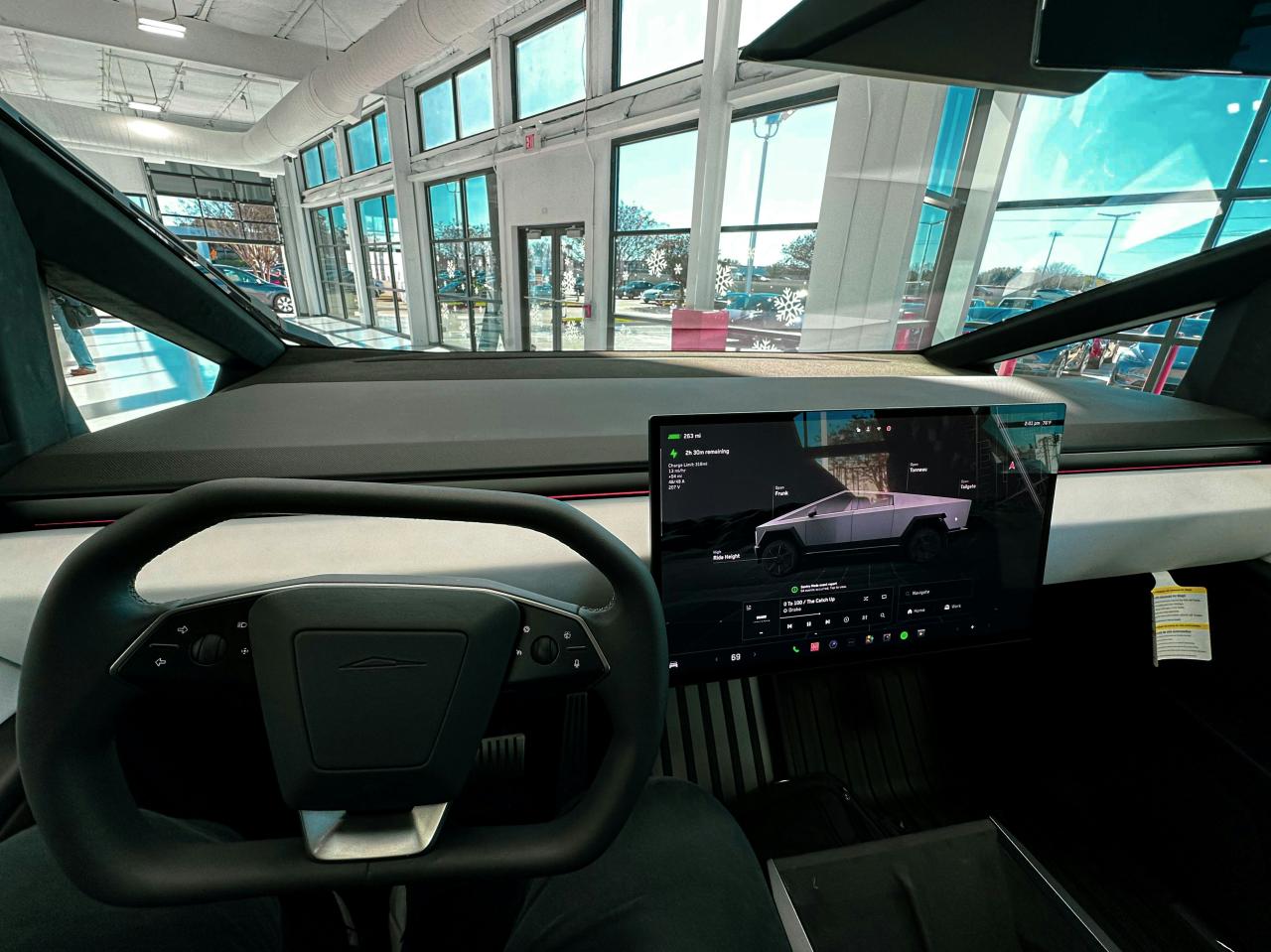
The transition toward autonomous fleets is a revolutionary step that will redefine the automotive industry forever. Every fleet manager must be prepared to handle the complexity of technology that blends artificial intelligence with energy sustainability. Intelligent data management is the core foundation for ensuring every vehicle operates with maximum efficiency.
Automated charging infrastructure will be the key to maintaining operational continuity without human intervention. Predictive maintenance protocols allow vehicles to detect issues before a fatal system failure occurs. Cyber and physical security must be the highest priority to protect company assets and the lives of road users. AI-based route optimization can reduce energy consumption to the most efficient levels in the history of transportation. The transition of the workforce from drivers to technology operators is a social challenge that must be managed wisely.
Compliance with global regulations will provide legal certainty for companies as they expand their business operations. The user experience inside autonomous vehicle cabins will become the new standard for premium mobility services. Modular system scalability allows this technology to be implemented across different parts of the world with varying conditions. A circular economy in the vehicle life cycle ensures that this innovation remains environmentally friendly until the very end. The future of global mobility is now in the hands of those who dare to invest in smart and sustainable technology.