
The urban landscape is undergoing a silent but profound revolution, and at the heart of this transformation is the humble electric scooter. Once dismissed as a passing fad or a recreational toy, the e-scooter has emerged as a powerful force in urban mobility, offering a convenient, affordable, and sustainable solution for the “last mile” of our daily commutes. As cities grapple with persistent issues of traffic congestion, air pollution, and limited parking, electric scooters are proving to be a scalable and effective part of the solution. This is not just a trend; it is the next phase of urban mobility, one that promises to reshape city planning, redefine consumer behavior, and create a new, interconnected ecosystem of transportation. This article will provide a comprehensive look into the evolution of the electric scooter, from its disruptive debut to its future as a cornerstone of smart, sustainable urban life. We will delve into the technological advancements, the shifting business models, the regulatory challenges, and the immense potential that lie ahead as e-scooters take their rightful place on our streets.
The Journey to the Mainstream
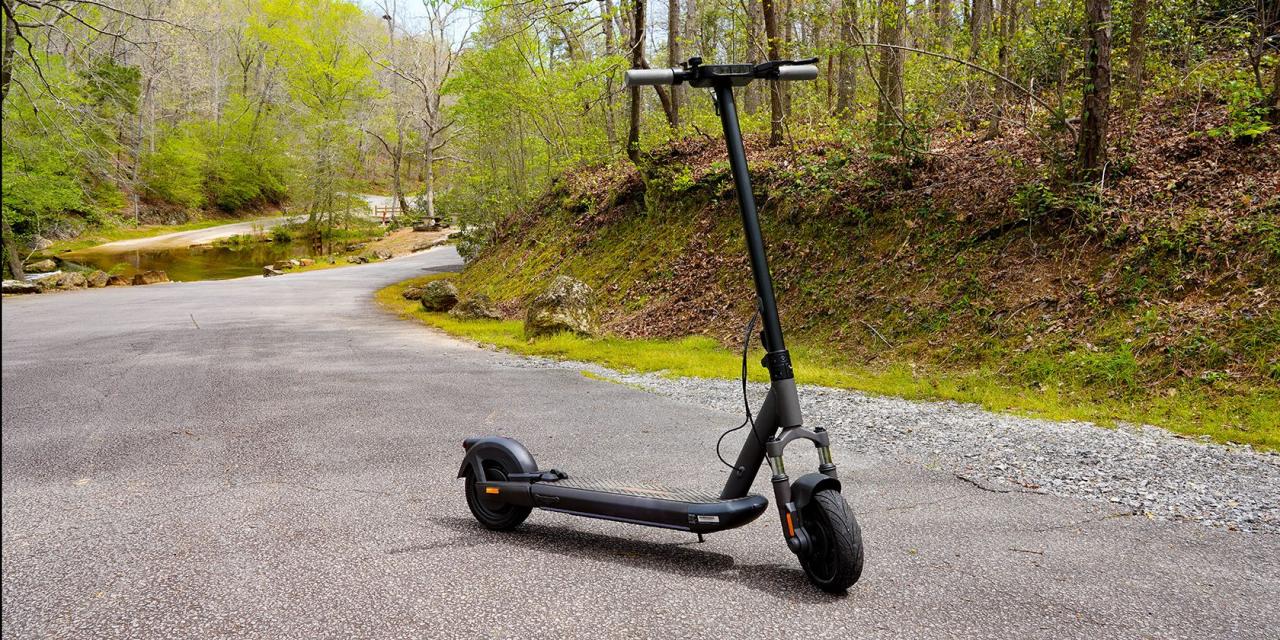
The rapid ascent of the electric scooter can be attributed to a confluence of technological and societal factors. The early days of dockless scooters were marked by a period of chaotic growth, with vehicles often left scattered on sidewalks and a lack of clear regulations. However, this initial disruption was a necessary growing pain that proved the overwhelming public demand for this new mode of transport. The industry quickly matured, learning valuable lessons and refining its approach.
A. Technological Advancements:
The e-scooter’s viability is a direct result of key technological improvements.
- Battery Technology: The development of lighter, more powerful lithium-ion batteries has been a game-changer. These batteries provide longer range and a quicker charging time, making scooters more practical for daily use. This has also enabled the creation of swappable battery systems, which streamline the logistics for fleet operators.
- Smart Sensors and IoT Integration: Modern e-scooters are now sophisticated devices equipped with GPS, accelerometers, and advanced connectivity. This allows them to be tracked in real-time, managed remotely, and even to communicate with urban infrastructure. This data is invaluable for fleet management, theft prevention, and optimizing vehicle placement to meet demand.
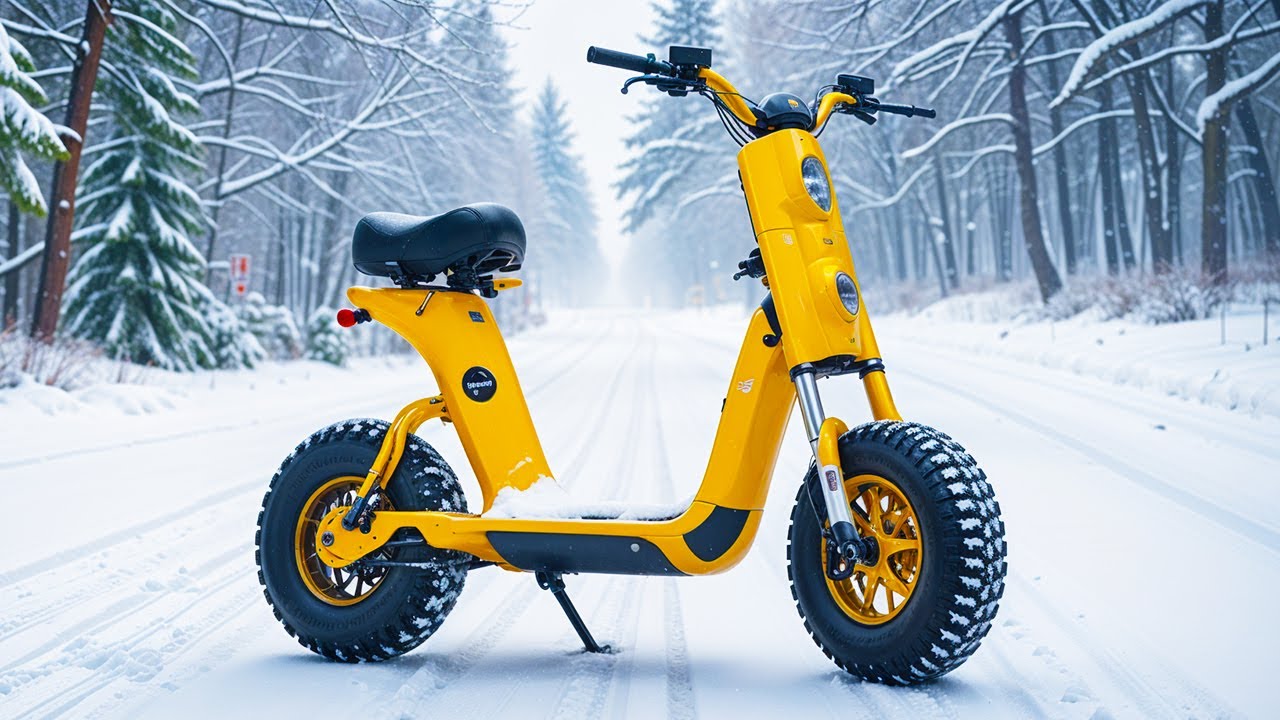
- Durable Design: The first generation of shared scooters were not built to withstand the rigors of daily urban use. The next phase has focused on building more robust, durable models with better suspension, puncture-resistant tires, and more powerful brakes, increasing both safety and longevity.
B. The Economics of the Last Mile:
The “last mile” problem—the challenge of efficiently moving people from a transit hub to their final destination—has plagued urban planners for decades. Electric scooters offer a compelling solution. They are far cheaper to operate than a car or a ride-sharing service for short distances, and they can navigate dense urban traffic and pedestrian zones with ease. For both commuters and tourists, they fill a critical gap in the transportation network, bridging the distance between a subway station and an office building, or a hotel and a local attraction.
Business Models in Flux
The initial “blitzscaling” model of placing thousands of scooters on the street has given way to more sustainable and profitable business strategies.
A. The Shift to Subscription Models:
For frequent users, a per-minute rental can become expensive. Many e-scooter companies are now offering monthly or annual subscription plans. This model provides predictable revenue for the companies and a more affordable option for the consumer, encouraging long-term use and loyalty. It also helps to normalize e-scooters as a regular form of transport, not just a one-off rental.
B. Partnerships with Public Transit:
The most forward-thinking companies are recognizing that e-scooters are not a replacement for public transit but a valuable complement to it. Strategic partnerships with city transit authorities are becoming common. For example, a transit app might show where a bus stop is located and also display the nearest available scooter to get you there, or vice versa. This integration creates a seamless, multi-modal transportation experience.
C. The Rise of the Owned Scooter:
Beyond shared fleets, the market for privately-owned electric scooters is booming. As the technology has become more reliable and affordable, more people are choosing to purchase their own e-scooters for personal use. This gives consumers complete control and eliminates the need for per-minute fees, making it an even more cost-effective solution for daily commuting.
Navigating the Regulatory Landscape
The early days of e-scooters were often met with resistance from city officials who were unprepared for the influx of these new vehicles. The next phase, however, is built on a foundation of collaboration and a clear regulatory framework.
A. Dedicated Infrastructure:
Cities are now taking a proactive approach, creating dedicated bike lanes and e-scooter zones to ensure safety and prevent sidewalk clutter. This is a critical step in building public trust and normalizing e-scooters as a legitimate mode of transportation.
B. Geofencing Technology:
Companies are using geofencing to regulate where scooters can be ridden and parked. This technology allows them to enforce “no-ride zones” in pedestrian-heavy areas and to restrict scooters from being parked illegally, addressing a major concern for city officials.
C. Data Sharing Agreements:
Many cities now require e-scooter companies to share anonymous trip data. This data is a goldmine for urban planners, providing valuable insights into traffic patterns, popular routes, and transportation needs. This collaboration ensures that the e-scooter industry is a partner in creating smarter, more efficient cities.
The Future is Green, Connected, and On-Demand
As we look to the next phase, the electric scooter’s role in the urban ecosystem will only continue to grow. We can anticipate several key developments.
- A. Intermodal Integration: The future of urban mobility is not about a single mode of transport but about a seamlessly integrated network of options. Your smartphone will be the key, using a single app to plan a trip that combines a subway ride, an e-scooter trip, and a final walk.
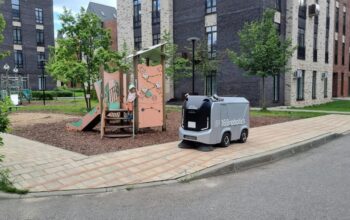
- B. Automated Logistics: The process of collecting and charging scooters will become increasingly automated. We may see autonomous vehicles that roam the city to pick up and drop off scooters, ensuring a constant supply of charged vehicles without the need for manual labor.
- C. E-Scooters as a Service (E-SaaS): The business model will likely expand beyond just consumer rental. We may see companies offering e-scooter fleets as a service to universities, corporate campuses, or large residential complexes, providing a private, on-demand transportation solution.
- D. Beyond Commuting: The application of e-scooters will expand beyond commuting. We can expect to see them used for last-mile delivery of small packages, food, and other goods, further reducing the number of cars and trucks on our roads.
Conclusion
The electric scooter’s journey from a novelty item to a cornerstone of urban mobility is a testament to its disruptive power and its ability to adapt to a changing world. It has proven its value in tackling some of the most pressing challenges of our time, from reducing traffic congestion and air pollution to providing an affordable and convenient mode of transportation for millions. The initial phase of wild, unregulated growth has given way to a more mature, collaborative, and sustainable model, one that is built on a foundation of technological innovation, strategic business partnerships, and proactive urban planning.
The next phase of the electric scooter revolution is not about a new vehicle; it’s about a new way of thinking. It’s about a vision of a city where the streets are no longer dominated by cars, but are a shared space for pedestrians, cyclists, and a new generation of micro-mobility devices. It is about an ecosystem where public transit is seamlessly connected with on-demand options, and where a single app on your phone can plan a journey that is faster, greener, and more enjoyable than ever before.
While challenges remain, particularly in the realm of safety and regulation, the trajectory is clear. The electric scooter is no longer a temporary phenomenon. It is an integral part of the future of urban life, a small but mighty force that is helping us to build cities that are more livable, more connected, and more sustainable for generations to come.