
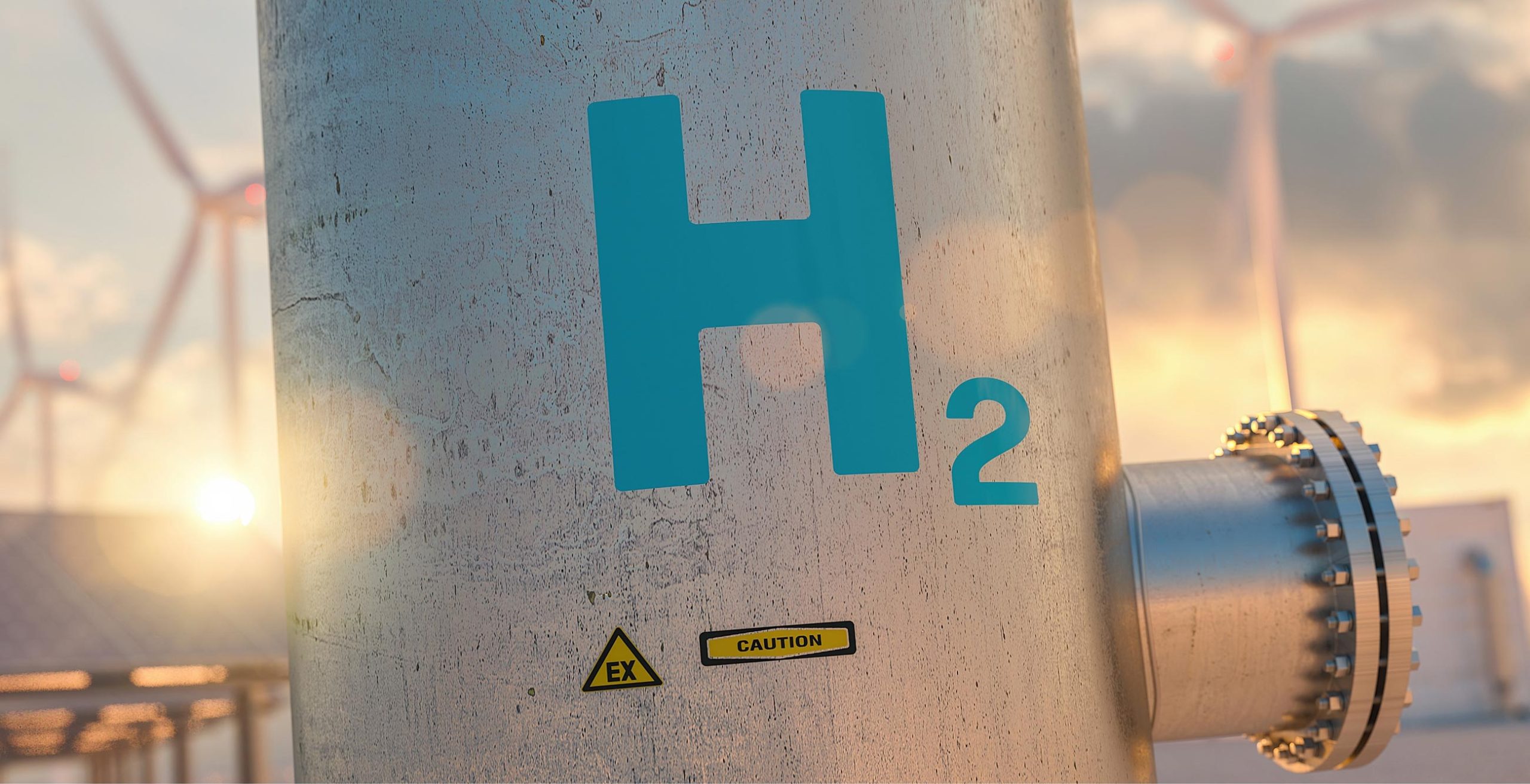
The global quest for sustainable energy solutions has intensified, pushing the boundaries of scientific innovation and industrial application. Amidst this fervent search, the phrase “Hydrogen Fuel Prospects” highlights a powerful contender poised to revolutionize our energy landscape. Far from a mere theoretical concept, hydrogen, the most abundant element in the universe, offers a compelling vision of a decarbonized future, particularly for sectors notoriously difficult to electrify. This isn’t just about cleaner cars; it’s about transforming heavy industry, long-haul transport, aviation, and even energy storage on a massive scale.
This article will meticulously explore the multifaceted potential of hydrogen as a clean energy carrier, delving into its production methods, diverse applications, the intricate challenges that must be overcome, and the promising pathways being forged to unlock its immense power and realize its role as a cornerstone of the future’s energy economy.
The Urgency of Using Hydrogen Fuel
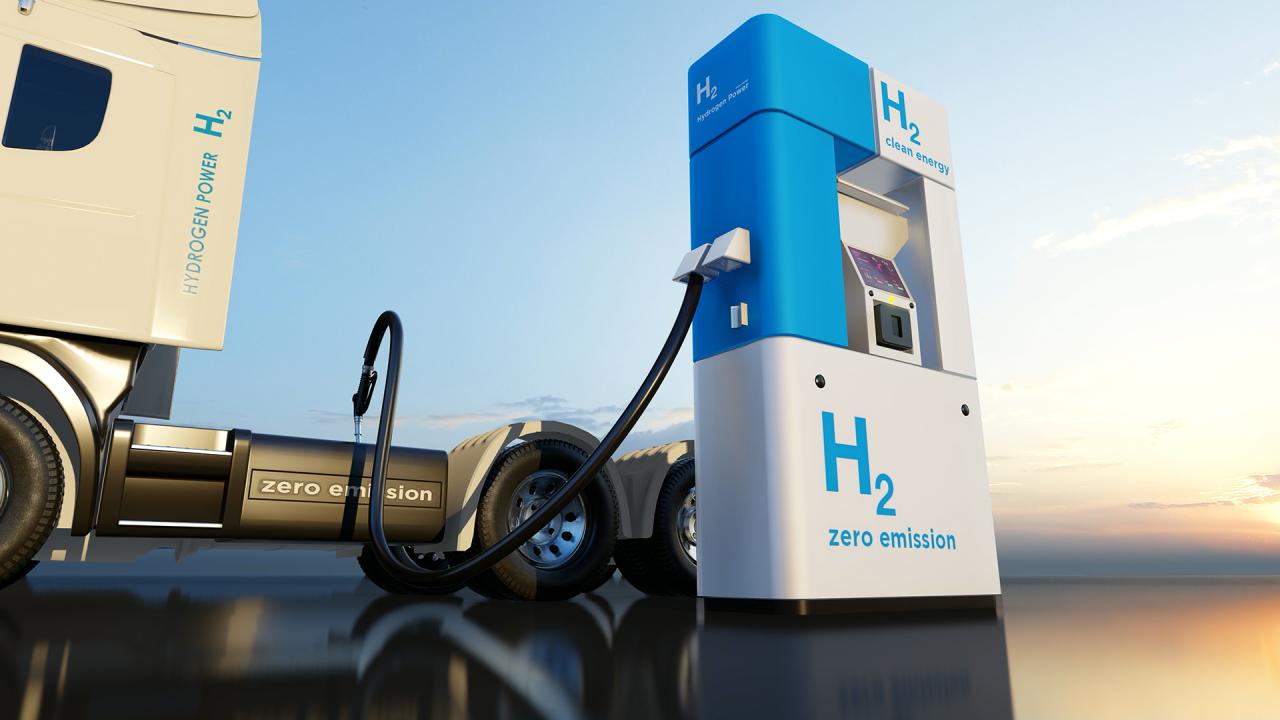
The growing urgency to transition away from fossil fuels and achieve net-zero emissions has thrust hydrogen into the spotlight. Its unique properties make it an attractive solution for various energy challenges.
A. Zero Emissions at Point of Use:
* Impact: When hydrogen is used in a fuel cell, it combines with oxygen to produce electricity, with water as the only byproduct. This eliminates tailpipe emissions of greenhouse gases (CO2) and harmful air pollutants (NOx, PM).
* Driving Force: Crucial for achieving air quality targets in urban areas and significantly reducing the transportation sector’s contribution to climate change.
B. High Energy Density by Weight:
* Impact: Hydrogen boasts an incredibly high energy density per unit of mass, meaning a small amount of hydrogen can store a large amount of energy. This is particularly advantageous for applications where weight is critical, such as aviation and heavy-duty transport. While its volumetric energy density is low, requiring high compression or liquefaction, its gravimetric density is superior.
* Driving Force: Enables longer ranges and higher payloads compared to battery-electric solutions for specific mobility needs, offering a viable alternative where batteries might be too heavy or take too long to charge.
C. Versatility as an Energy Carrier:
* Impact: Hydrogen is not an energy source itself, but an energy carrier. It can be produced from various sources (renewable, fossil fuels with CCS, nuclear) and converted into electricity or heat. This versatility allows it to serve multiple sectors.
* Driving Force: Its adaptability means it can replace fossil fuels in a wide array of applications, from vehicle propulsion and industrial processes to grid-scale energy storage.
D. Long-Term Energy Storage Potential:
* Impact: Unlike electricity, which is difficult to store efficiently at scale for long durations, hydrogen can be stored in large quantities for extended periods, acting as a buffer for intermittent renewable energy sources like solar and wind.
* Driving Force: Offers a solution to the challenge of grid stability and reliability as the share of renewables increases, enabling the capture and use of excess clean energy.
E. Existing Industrial Applications and Infrastructure (Partial):
* Impact: Hydrogen is already widely used in industrial processes (e.g., ammonia production, oil refining). This existing, though often fossil-fuel-based, infrastructure provides a foundation upon which a clean hydrogen economy can be built.
* Driving Force: While significant expansion and decarbonization are needed, the familiarity with handling and transporting hydrogen offers a starting point for scaling up.
The Colors of Hydrogen
The sustainability of hydrogen as a fuel hinges critically on how it is produced. Different production methods are categorized by “colors” based on their carbon footprint.
A. Grey Hydrogen (Most Common Today):
* Production Method: Produced from natural gas (methane) through a process called Steam Methane Reforming (SMR), or from coal gasification.
* Carbon Footprint: Highly carbon-intensive, as CO2 is released directly into the atmosphere during production. It’s the cheapest but least sustainable method currently dominating the market.
* Impact: While widely available, grey hydrogen is a transitional solution at best and actively contributes to climate change. Its continued use is incompatible with a truly decarbonized future.
B. Blue Hydrogen:
* Production Method: Also produced from natural gas via SMR, but with Carbon Capture, Utilization, and Storage (CCUS) technology applied to capture and store the CO2 emissions underground or utilize them in other industrial processes.
* Carbon Footprint: Significantly lower carbon footprint than grey hydrogen, as a large percentage of emissions are captured. However, it’s not entirely emission-free, as some fugitive methane emissions or uncaptured CO2 may occur.
* Impact: Considered a bridging solution to rapidly scale up hydrogen production while renewable energy infrastructure for green hydrogen is still developing. Its long-term viability is debated based on the effectiveness and permanence of CCUS.
C. Green Hydrogen (The Holy Grail):
* Production Method: Produced through electrolysis of water, where electricity splits water (H2O) into hydrogen (H2) and oxygen (O2). Crucially, the electricity used must come from renewable energy sources like solar, wind, or hydropower.
* Carbon Footprint: Near-zero or zero carbon emissions throughout the production process, making it the most sustainable form of hydrogen.
* Impact: The ultimate goal for a clean hydrogen economy, offering truly decarbonized energy. Scaling up green hydrogen production is key to global climate targets. Its widespread adoption depends on falling renewable energy and electrolyzer costs.
D. Other Hydrogen Colors (Emerging and Niche):
* Pink Hydrogen: Produced via electrolysis powered by nuclear energy. Offers large-scale, low-carbon hydrogen but depends on nuclear power’s acceptance.
* Turquoise Hydrogen: Produced from methane pyrolysis, splitting methane into hydrogen and solid carbon (instead of CO2). This process requires high temperatures, often from renewable sources, and the solid carbon could potentially be utilized.
* Yellow Hydrogen: Produced via electrolysis using a mix of grid electricity (which may include fossil fuels and renewables). Its carbon footprint varies depending on the grid’s energy mix.
* White Hydrogen: Naturally occurring geological hydrogen found underground. Still in early research stages, with potential for localized, naturally replenished sources.
* Impact: These diverse production methods highlight the various pathways countries are exploring to meet their hydrogen demands, leveraging different resource endowments and technological readiness levels.
Key Applications and Prospects for Hydrogen Fuel
The “Hydrogen Fuel Prospects” are vast, extending far beyond passenger cars to encompass sectors where electrification is challenging.
A. Heavy-Duty and Long-Haul Transport:
* Application: Trucks, buses, trains, and potentially maritime shipping.
* Advantage: Hydrogen Fuel Cell Electric Vehicles (FCEVs) offer comparable refueling times and ranges to diesel vehicles, which is critical for continuous operation in logistics. Batteries for these applications would be excessively large and heavy.
* Prospects: Several manufacturers (e.g., Hyundai, Toyota, Nikola) are developing and trialing fuel cell trucks and buses. Hydrogen trains are also being tested in Europe.
B. Aviation:
* Application: Both hydrogen combustion in modified jet engines and hydrogen fuel cells for electric propulsion in smaller aircraft.
* Advantage: High gravimetric energy density makes hydrogen attractive for long-range flights where battery weight is prohibitive.
* Prospects: Airbus is actively researching hydrogen-powered aircraft, aiming for zero-emission commercial flights by 2035. Challenges include storage (liquid hydrogen requires cryogenic temperatures) and safety.
C. Industrial Feedstock and Decarbonization:
* Application: Replacing “grey” hydrogen in existing industrial processes (e.g., ammonia production for fertilizers, methanol production, oil refining) and serving as a reducing agent in green steel production.
* Advantage: Directly decarbonizes large, energy-intensive industrial sectors that are difficult to electrify.
* Prospects: Major industrial players are investing heavily in green and blue hydrogen projects to meet their decarbonization targets.
D. Grid-Scale Energy Storage:
* Application: Storing excess renewable electricity (from solar and wind) by converting it to hydrogen via electrolysis, then reconverting it to electricity via fuel cells or burning it in turbines when needed.
* Advantage: Addresses the intermittency of renewables, providing long-duration, seasonal energy storage that batteries cannot currently match economically at scale.
* Prospects: Several demonstration projects are exploring power-to-gas-to-power cycles for grid balancing and resilience.
E. Power Generation (Stationary):
* Application: Using hydrogen as fuel for gas turbines or fuel cells to generate electricity for specific industrial sites, data centers, or remote communities.
* Advantage: Provides clean, flexible on-demand power, especially for backup or off-grid scenarios.
* Prospects: Manufacturers like Siemens Energy are developing hydrogen-ready gas turbines.
F. Passenger Vehicles (Fuel Cell Electric Vehicles – FCEVs):
* Application: Sedans, SUVs, and other light-duty vehicles.
* Advantage: Offer quick refueling times (minutes) and ranges comparable to gasoline cars, addressing range anxiety compared to battery EVs for some consumers.
* Prospects: Models like the Toyota Mirai, Hyundai Nexo, and Honda Clarity Fuel Cell demonstrate the viability, but widespread adoption is currently limited by fueling infrastructure.
G. Building Heating:
* Application: Blending hydrogen with natural gas in existing gas networks (up to a certain percentage) or using pure hydrogen in dedicated boilers for heating homes and commercial buildings.
* Advantage: Offers a way to decarbonize heating, especially in older buildings where electric heat pumps might be difficult to install.
* Prospects: Several pilot projects in Europe are testing hydrogen blending in gas grids. Requires significant infrastructure upgrades for pure hydrogen.
Challenges and Hurdles for Hydrogen’s Widespread Adoption
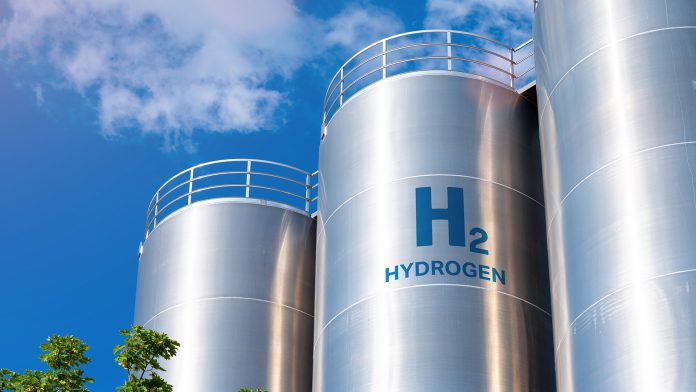
Despite its significant promise, the path to a global hydrogen economy is fraught with complex challenges that demand substantial investment, technological breakthroughs, and policy support.
A. Cost of Production (Especially Green Hydrogen):
* Challenge: Currently, green hydrogen is significantly more expensive to produce than grey or blue hydrogen, primarily due to the high cost of electrolyzers and the expense of dedicated renewable energy for production.
* Solution: Economies of scale, technological advancements in electrolyzer efficiency, and continued decline in renewable energy costs are crucial to drive down prices. Government subsidies and carbon pricing mechanisms can also make green hydrogen more competitive.
B. Infrastructure for Storage and Distribution:
* Challenge: Hydrogen is highly diffusive and requires specialized infrastructure for storage (high-pressure tanks for gaseous hydrogen, cryogenic tanks for liquid hydrogen) and distribution (new pipelines or modified existing ones, liquefaction plants, refueling stations). This is a massive undertaking.
* Solution: Strategic investment in dedicated hydrogen pipelines, port infrastructure for international trade, and scaling up of refueling networks. Utilizing existing natural gas pipelines for blending, where appropriate, can be a short-term solution.
C. Energy Efficiency and Conversion Losses:
* Challenge: The overall energy efficiency of hydrogen pathways can be lower than direct electrification (e.g., electricity to battery EV vs. electricity to hydrogen to FCEV). Each conversion step (electrolysis, compression, fuel cell) incurs energy losses.
* Solution: Maximizing the efficiency of each component (electrolyzers, fuel cells), and prioritizing hydrogen for applications where direct electrification is truly impractical or uneconomical.
D. Safety Concerns:
* Challenge: Hydrogen is highly flammable and its very small molecular size makes it prone to leaks. Public perception of its safety (e.g., the Hindenburg disaster) is a factor, although modern safety protocols are robust.
* Solution: Adherence to stringent safety codes and standards for production, storage, transport, and use. Advanced leak detection systems, passive ventilation in enclosed spaces, and rigorous training for personnel. Education to address public concerns is also vital.
E. Technological Maturity and Scale-Up:
* Challenge: While technologies like electrolyzers and fuel cells are mature at a small scale, scaling them up to meet global energy demands requires significant R&D, industrialization, and supply chain development.
* Solution: Continued innovation in materials and design for large-scale electrolyzers, automated manufacturing, and robust supply chains for components.
F. Regulatory Framework and Standardization:
* Challenge: Lack of harmonized international standards and regulations for hydrogen production, quality, safety, and transport can hinder cross-border trade and investment.
* Solution: Collaborative efforts among governments, industry bodies, and international organizations to establish clear, consistent standards and certification processes.
G. “Chicken-or-Egg” Dilemma:
* Challenge: Consumers won’t buy FCEVs without refueling stations, and companies won’t build stations without enough FCEVs. Similarly for industrial applications, supply needs to meet demand.
* Solution: Government incentives to kickstart both supply and demand, industrial consortia that guarantee off-take agreements, and initial focus on “hydrogen hubs” that concentrate production and demand in specific regions.
H. Competition from Direct Electrification:
* Challenge: For many applications (e.g., passenger cars, light commercial vehicles), battery electric solutions are currently more energy-efficient and, with falling battery costs, often more economical.
* Solution: Focus hydrogen development on its “sweet spots” – sectors truly difficult to decarbonize directly with batteries, where hydrogen’s unique properties offer a distinct advantage.
Global Strategies and Future Outlook
Governments and industries worldwide are formulating comprehensive strategies to overcome these challenges and accelerate the adoption of hydrogen fuel, recognizing its strategic importance.
A. National Hydrogen Strategies:
* Trend: Many countries (e.g., Germany, Japan, Australia, the US, EU, China) have published national hydrogen strategies, outlining their vision, production targets, infrastructure plans, and funding commitments.
* Impact: Provides a clear policy framework, attracts investment, and coordinates efforts across sectors.
B. International Partnerships and Trade:
* Trend: Developing international corridors for hydrogen trade, with countries rich in renewable energy (e.g., Australia, Chile, parts of the Middle East) becoming hydrogen exporters.
* Impact: Fosters a global hydrogen market, leverages comparative advantages, and ensures supply security.
C. “Hydrogen Valleys” and Hubs:
* Trend: Concentrating hydrogen production, storage, and demand in specific geographic regions or industrial clusters to build critical mass and demonstrate integrated ecosystems.
* Impact: Accelerates learning, drives down costs through scale, and creates viable regional markets.
D. Research and Development (R&D) Focus:
* Trend: Significant R&D investment into new electrolyzer technologies (e.g., solid oxide, anion exchange membrane), advanced materials for storage, more efficient fuel cells, and hydrogen safety solutions.
* Impact: Drives down costs, improves performance, and enhances the safety and viability of hydrogen technologies.
E. Sectoral Decarbonization Focus:
* Trend: Prioritizing hydrogen deployment in hard-to-abate sectors like heavy industry, long-haul transport, and aviation where alternatives are limited.
* Impact: Maximizes the climate impact of hydrogen by targeting the most challenging emissions sources.
F. Role of Existing Energy Companies:
* Trend: Major oil and gas companies, utilities, and industrial gas companies are heavily investing in hydrogen projects, leveraging their existing infrastructure and expertise in gas handling.
* Impact: Brings significant capital and technical know-how to accelerate hydrogen development and deployment.
Conclusion
The phrase “Hydrogen Fuel Prospects” truly encapsulates the immense promise and strategic significance of this versatile energy carrier. It represents a critical piece of the puzzle in achieving a truly sustainable, decarbonized global economy. While the journey is complex, fraught with technological, economic, and infrastructural hurdles, the concerted global effort from governments, industries, and researchers indicates an unwavering commitment. Hydrogen’s ability to power difficult-to-electrify sectors, act as a long-duration energy storage solution, and enable cleaner industrial processes positions it as far more than just another fuel. It is a fundamental enabler of systemic change, promising a future where power is clean, abundant, and accessible, driving an era of unprecedented environmental and economic well-being. The future is indeed being powered by hydrogen, one green molecule at a time.