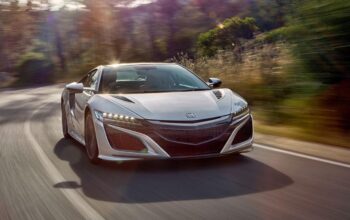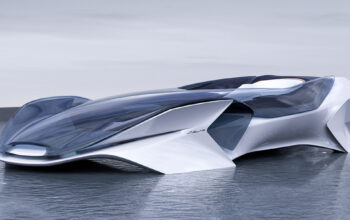

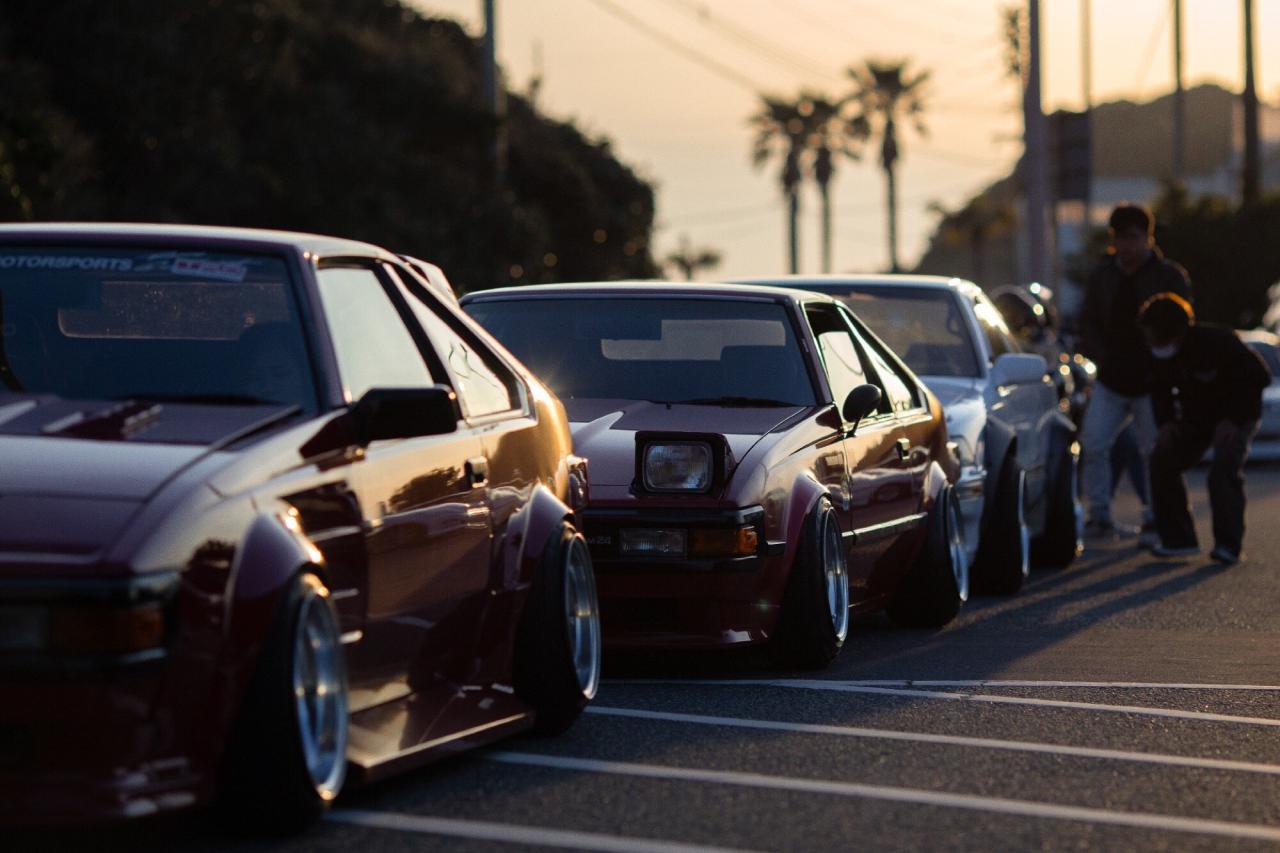
The world of automotive enthusiasts is witnessing an explosive surge, a phenomenon captured perfectly by the phrase “Custom Car Scene Booms.” This isn’t just a niche hobby anymore; it’s a vibrant, multifaceted global movement, where individuals transform ordinary vehicles into extraordinary expressions of personal style, performance, and innovation.
From meticulously restored classics to wild, futuristic modifications, the custom car scene is driven by a passion for unique craftsmanship, cutting-edge technology, and a deep-seated desire to stand out. This article will delve into the exhilarating dynamics propelling this boom, exploring the diverse subcultures, technological advancements, and economic impact that are fueling its unprecedented growth and cementing its place as a powerful force in the broader automotive landscape.
Why the Custom Car Scene Thrives
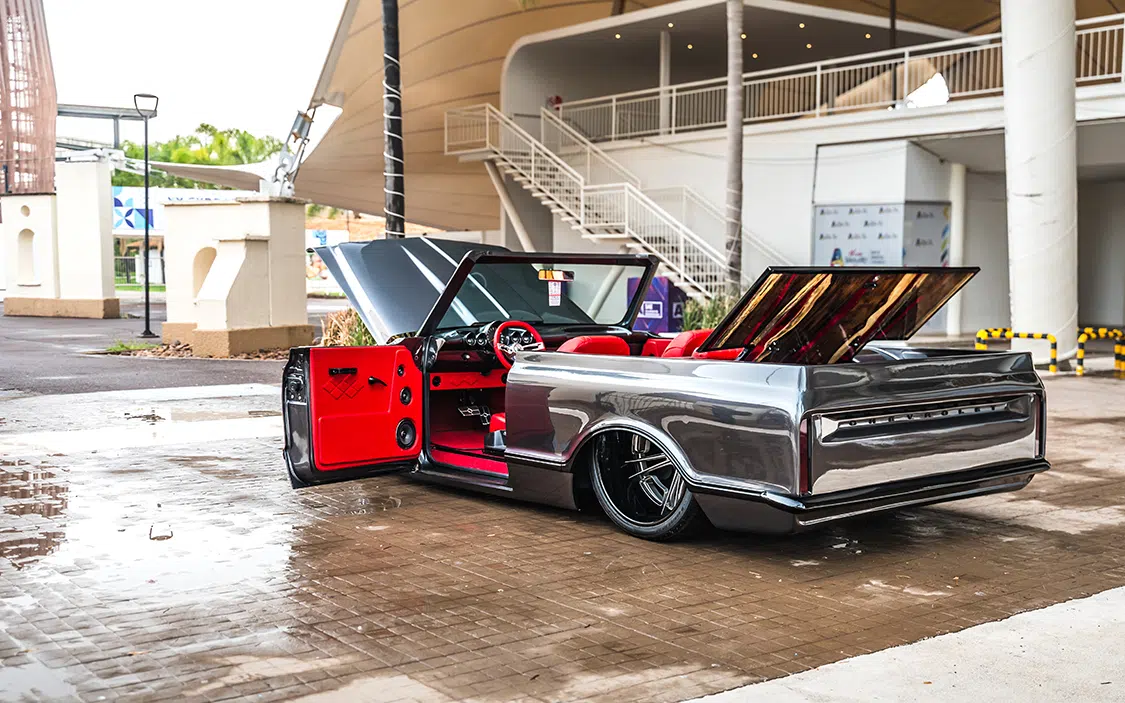
At its core, the boom in the custom car scene is fueled by fundamental human desires: individuality, creativity, and connection. It’s a response to mass production, offering a tangible way for owners to leave their unique mark.
A. Expression of Individuality:
* Impact: In a world of mass-produced vehicles, a custom car offers a powerful canvas for personal expression. Owners can tailor every aspect, from paint and wheels to interior finishes and engine modifications, to reflect their personality, interests, and aspirations.
* Driving Force: This desire to create something truly unique and distinct from the factory standard is a primary motivator for many enthusiasts.
B. Pursuit of Performance:
* Impact: For many, customization is about pushing the boundaries of what a vehicle can do. This involves engine tuning, suspension upgrades, brake enhancements, and aerodynamic modifications aimed at achieving higher speeds, better handling, or superior off-road capabilities.
* Driving Force: The thrill of optimizing a vehicle’s performance, whether for track days, drag racing, or challenging terrains, drives significant investment in custom work.
C. Nostalgia and Preservation:
* Impact: A significant part of the scene revolves around restoring and modifying classic and vintage vehicles. This often involves bringing forgotten gems back to life, sometimes with modern mechanicals (restomods) or period-correct attention to detail.
* Driving Force: A reverence for automotive history, the desire to preserve iconic designs, and a connection to past eras of motoring inspire many restoration projects.
D. Community and Social Connection:
* Impact: The custom car scene fosters strong communities, both online and offline. Car shows, meets, online forums, and social media groups provide platforms for sharing progress, exchanging knowledge, and forming friendships.
* Driving Force: The camaraderie, shared passion, and mutual support found within these communities are powerful attractions, making it more than just a solitary hobby.
E. Technological Advancements:
* Impact: Modern technology has made customization more accessible and sophisticated. Computer-aided design (CAD), 3D printing, advanced fabrication techniques, and easily tunable engine management systems open up new possibilities.
* Driving Force: The ability to achieve complex designs, precise fits, and significant performance gains through technology democratizes high-level customization.
F. Media and Pop Culture Influence:
* Impact: Movies, TV shows, video games, and social media influencers play a massive role in popularizing trends, showcasing incredible builds, and inspiring new generations of customizers.
* Driving Force: The aspirational imagery and exciting narratives surrounding custom cars amplify their appeal and draw new participants into the scene.
Diverse Subcultures Fueling the Boom
The custom car scene is not monolithic; it’s a rich tapestry of distinct subcultures, each with its unique aesthetic, philosophy, and preferred modifications. Understanding these diverse segments helps explain the boom’s breadth.
A. Hot Rods and Kustom Kulture:
* Definition: Rooted in American automotive history, hot rods typically involve heavily modified pre-1949 vehicles, often with powerful modern engines. Kustom Kulture embraces the art, fashion, and lifestyle associated with this scene (pin-striping, pinups, rockabilly music).
* Key Modifications: Engine swaps (often V8s), chopped tops, channelled bodies, lowered suspension, unique paint schemes.
* Impact: The original American customization movement, influencing many subsequent styles and fostering a distinct artistic and counter-culture identity.
B. Restomods:
* Definition: A blend of restoration and modification. These cars maintain a classic exterior aesthetic but incorporate modern performance, comfort, and safety features (e.g., modern engines, transmissions, brakes, air conditioning, infotainment).
* Key Modifications: Modern powertrain swaps, upgraded suspension and braking systems, contemporary interiors disguised as vintage, LED lighting.
* Impact: Appeals to those who love classic styling but desire modern drivability, significantly broadening the appeal and functionality of vintage vehicles.
C. JDM (Japanese Domestic Market) Tuning:
* Definition: Focused on performance and aesthetic modifications of Japanese sports cars (e.g., Nissan Skyline, Toyota Supra, Honda S2000). Driven by racing heritage and often characterized by vibrant colors, aggressive aerodynamics, and high-horsepower turbo engines.
* Key Modifications: Turbocharging, widebody kits, aerodynamic spoilers, aftermarket wheels, performance exhausts, suspension tuning.
* Impact: A massive global phenomenon with a strong street racing influence, known for its emphasis on engineering precision and high-revving engines.
D. Euro Styling (Stance, OEM+, Performance):
* Definition: Encompasses various styles from European brands (BMW, Audi, Mercedes-Benz, Volkswagen).
* Stance: Focus on achieving extremely low ride height and aggressive wheel fitment, often sacrificing practical drivability for aesthetic impact.
* OEM+: Subtle modifications using original equipment manufacturer (OEM) parts from higher trims or other models, aiming for an enhanced factory look.
* Performance: High-end tuning for track performance, involving engine upgrades, suspension, and braking.
* Impact: Demonstrates a range of refinement and performance, from extreme visual statements to subtle, highly effective upgrades.
E. Off-Road and Overland Builds:
* Definition: Customization of trucks and SUVs for extreme off-road capability (rock crawling, mudding) or self-sufficient multi-day expeditions (overlanding).
* Key Modifications: Lift kits, large off-road tires, winches, heavy-duty bumpers, roof racks, auxiliary lighting, long-range fuel tanks, camping setups.
* Impact: Appeals to adventure enthusiasts, enabling access to remote locations and supporting self-sufficient travel.
F. Lowriders:
* Definition: A unique American subculture, particularly prominent in Hispanic communities, focused on highly customized cars (often older American models) that can be raised or lowered via hydraulic or pneumatic suspension systems. Emphasizes elaborate paintwork, chrome, and intricate interiors.
* Key Modifications: Hydraulic or air suspension, intricate paint jobs (often candy colors, flakes, murals), wire wheels, crushed velour interiors.
* Impact: A distinct art form and cultural statement, valuing craftsmanship, visual spectacle, and community heritage.
G. Restomods and Pro-Touring:
* Definition: Similar to restomods but with a heavier emphasis on modern performance and handling for road course racing or aggressive street driving. Often uses classic muscle car bodies with modern supercar underpinnings.
* Key Modifications: Contemporary chassis, high-horsepower crate engines, modern transmissions, performance brakes, independent suspension.
* Impact: Bridges the gap between classic aesthetics and modern performance, creating highly capable and desirable vehicles for enthusiasts.
H. Rat Rods:
* Definition: A counter-culture to polished hot rods, celebrating unfinished, rusty, and raw aesthetics. They often look like they’re cobbled together from various parts, emphasizing a raw, mechanical, and often humorous style.
* Key Modifications: Deliberately unfinished appearance, exposed engines, raw metal, quirky additions, often based on early Ford models.
* Impact: A statement against perfectionism and commercialism, highlighting resourcefulness and a unique, rebellious artistic vision.
Technological Advancements Driving Customization
Modern technology has revolutionized the custom car scene, enabling more precise, powerful, and intricate modifications than ever before.
A. Computer-Aided Design (CAD) and 3D Modeling:
* Impact: Allows designers and fabricators to meticulously plan modifications, create custom parts, and visualize the final product with extreme precision before any physical work begins. Reduces errors and material waste.
* Application: Designing custom body kits, interior components, or even entire chassis structures.
B. 3D Printing and Additive Manufacturing:
* Impact: Enables the creation of complex, lightweight, and custom-fit components that would be difficult or impossible to produce with traditional manufacturing methods. Useful for prototypes, one-off parts, or intricate interior elements.
* Application: Custom intake manifolds, bespoke interior trim pieces, unique aerodynamic elements, replica classic parts.
C. Advanced Engine Management Systems (ECU Tuning):
* Impact: Modern engine control units (ECUs) are highly sophisticated. Aftermarket tuners can now precisely remap fuel delivery, ignition timing, and boost pressure to extract significantly more power and torque, often without major hardware changes.
* Application: Performance tuning for turbocharged engines, optimizing fuel economy, or adjusting for different fuel types.
D. Laser Cutting and CNC Machining:
* Impact: Provides unparalleled precision and repeatability in cutting and shaping metal, wood, and other materials. Ideal for custom brackets, chassis components, suspension parts, and intricate interior details.
* Application: Fabricating custom chassis components, precise mounting brackets for engine swaps, or intricate custom grilles.
E. Composite Materials (Carbon Fiber, Fiberglass):
* Impact: Lighter and stronger than traditional steel or aluminum, these materials are increasingly used for body panels, aerodynamic components, and structural elements, improving performance and fuel efficiency.
* Application: Lightweight hoods, trunk lids, widebody fenders, spoilers, and even structural reinforcements.
F. LED Lighting Technology:
* Impact: Offers incredible flexibility in design, energy efficiency, and brightness for custom lighting solutions, from unique headlights and taillights to interior ambient lighting.
* Application: Custom light bars, intricate sequential turn signals, dynamic interior lighting, and underglow.
G. Advanced Suspension and Braking Systems:
* Impact: Aftermarket suspension systems (coil-overs, air ride) allow for precise adjustments to ride height and damping. High-performance braking systems (multi-piston calipers, larger rotors) provide superior stopping power.
* Application: Achieving “stance” aesthetics, optimizing track performance, or enhancing safety for powerful builds.
Economic and Industry Impact of the Boom
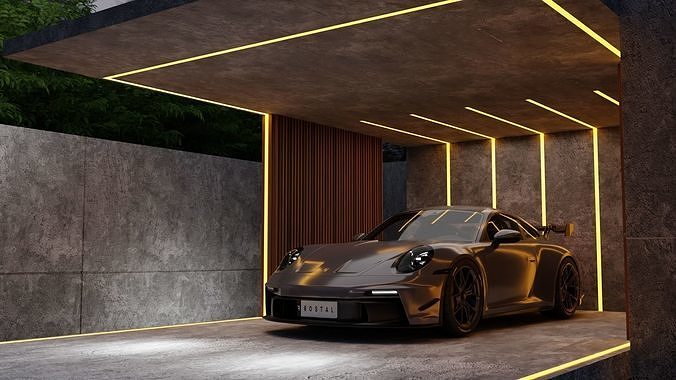
The booming custom car scene is not just a cultural phenomenon; it’s a significant economic driver, influencing various industries and creating new opportunities.
A. Aftermarket Parts and Accessories Industry:
* Impact: A multi-billion dollar industry directly fueled by customization. Manufacturers produce everything from performance engine components to custom wheels, body kits, and interior upgrades.
* Growth: Continuous innovation in products, catering to niche markets and emerging trends.
B. Specialty Fabrication and Restoration Shops:
* Impact: A network of highly skilled craftsmen, mechanics, painters, and fabricators who specialize in custom builds, restorations, and performance tuning.
* Growth: Demand for these specialized services supports local economies and preserves traditional automotive skills while embracing new technologies.
C. Events, Shows, and Media:
* Impact: Custom car shows (e.g., SEMA, Autorama, local meets) attract massive audiences, generate tourism revenue, and provide platforms for businesses to showcase products. Specialized magazines, websites, and YouTube channels create content, driving advertising revenue.
* Growth: The rise of social media has amplified the reach of these events and individual builds, creating global communities.
D. Tool and Equipment Manufacturing:
* Impact: The need for specialized tools for fabrication, engine building, paint application, and diagnostic tuning fuels demand for relevant equipment manufacturers.
* Growth: Continuous innovation in tooling to meet the demands of increasingly complex custom projects.
E. Skills Development and Education:
* Impact: The scene indirectly drives the need for automotive technical education, welding schools, automotive paint and body programs, and specialized mechanical training.
* Growth: Attracts young talent to automotive trades and fosters continuous learning.
F. Classic Car Investment:
* Impact: The popularity of restomods and meticulously restored classics can drive up the value of desirable vintage vehicles, treating them as appreciating assets.
* Growth: Appeals to collectors and investors who see custom cars as both a passion and a financial endeavor.
Challenges and Future Trends in Customization
Despite its vibrancy, the custom car scene faces challenges and is constantly evolving, influenced by new technologies and changing regulations.
A. Regulatory Compliance and Emissions:
* Challenge: Modifying engines or exhaust systems can sometimes lead to non-compliance with increasingly stringent emissions regulations, particularly in regions like California. Legalities around highly modified vehicles for street use can be complex.
* Solution: Manufacturers offering “tuner-friendly” platforms, aftermarket parts with emissions certifications (CARB-compliant), and a focus on legal, performance-enhancing modifications.
B. Safety and Engineering Integrity:
* Challenge: Poorly executed modifications, especially to critical components like suspension, brakes, or structural elements, can compromise vehicle safety.
* Solution: Emphasis on professional craftsmanship, engineering best practices, and the use of high-quality, tested aftermarket components.
C. Insurance and Valuation:
* Challenge: Insuring highly customized vehicles can be complex, as their value often far exceeds standard book values. Valuing unique builds for sale or insurance purposes can also be difficult.
* Solution: Specialized classic car or custom car insurance providers, professional appraisals, and transparent documentation of modifications.
D. Sustainability and Material Choices:
* Challenge: Traditional customization can involve high material waste and reliance on non-renewable resources.
* Solution: Growing interest in sustainable materials (bio-composites, recycled plastics), responsible sourcing, and electric conversions of classic cars (EV restomods).
E. Electrification of the Scene:
* Trend: The emergence of electric vehicles (EVs) is opening up new avenues for customization. This includes performance tuning for electric motors, battery pack optimization, and unique EV styling. EV swaps into classic cars (EV restomods) are also gaining traction.
* Impact: Creates new technical challenges and opportunities for customizers, demanding expertise in high-voltage systems and electric powertrains.
F. Digital and Virtual Customization:
* Trend: The rise of sophisticated car customization in video games (e.g., Forza, Gran Turismo, Need for Speed) and virtual reality platforms.
* Impact: Serves as a gateway for new enthusiasts, allowing them to experiment with designs and modifications digitally before committing to real-world projects.
G. Accessibility and Cost:
* Challenge: High-end custom builds can be prohibitively expensive, limiting access for many enthusiasts.
* Solution: DIY approaches, focus on more accessible platforms, and a strong market for more budget-friendly modifications.
H. Preservation of Traditional Skills:
* Challenge: As technology advances, ensuring that traditional fabrication, bodywork, and painting skills are passed down to new generations.
* Solution: Apprenticeships, vocational training, and continued emphasis on hands-on craftsmanship alongside digital tools.
Conclusion
The phrase “Custom Car Scene Booms” encapsulates a dynamic and enduring aspect of global automotive culture. It’s a powerful testament to human creativity, engineering ingenuity, and the timeless desire to forge a unique identity. From the roar of a performance-tuned engine to the gleaming artistry of a bespoke paint job, custom cars are more than just vehicles; they are rolling sculptures, expressions of passion, and tangible links to a vibrant community. As technology continues to evolve and new trends emerge, the custom car scene will undoubtedly continue to adapt, innovate, and thrive, cementing its place as an exhilarating and ever-expanding frontier in the world of automobiles. It truly showcases that the road ahead is as open to individual interpretation as it is to collective progress.