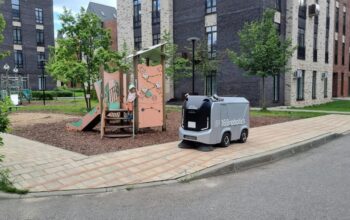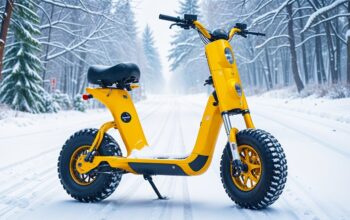


As urban populations continue to swell at an unprecedented rate, the arteries of our cities—their transportation networks—are facing immense pressure. The simple phrase “Urban Mobility Solutions” encapsulates a critical global challenge and a vibrant frontier of innovation. It’s no longer just about getting from point A to point B; it’s about doing so efficiently, sustainably, equitably, and intelligently. The traditional model of private car ownership as the dominant mode of transport is proving increasingly untenable in congested, polluted, and space-constrained metropolitan areas. This article delves into the transformative strategies and cutting-edge technologies that are reshaping urban movement, exploring how integrated public transport, micromobility, on-demand services, smart infrastructure, and innovative urban planning are converging to create more livable, dynamic, and accessible cities for billions.
The Imperative for Evolving Urban Mobility
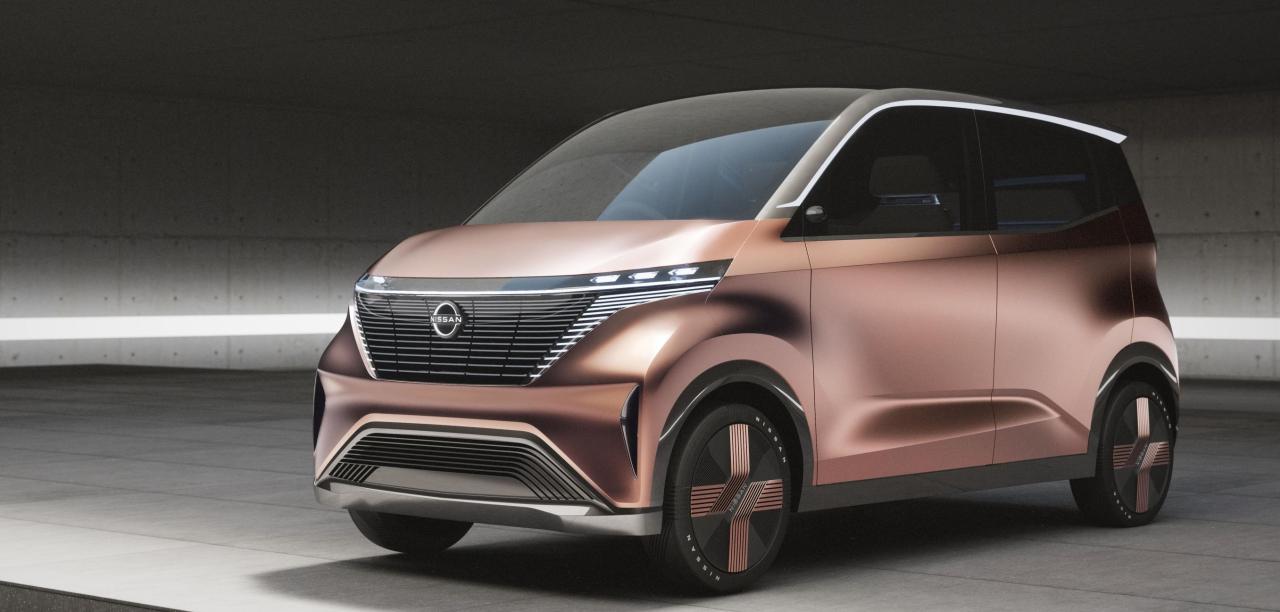
The urgency for new urban mobility solutions stems from a complex interplay of demographic, environmental, economic, and social factors that are rendering traditional transport models obsolete in many cities.
A. Rapid Urbanization and Population Density:
* Impact: More than half of the world’s population now lives in urban areas, a figure projected to rise significantly. This exponential growth puts immense strain on existing infrastructure, leading to chronic congestion, extended commute times, and reduced quality of life.
* Challenge: Traditional infrastructure expansion (e.g., building more roads) often proves insufficient and economically unviable in already dense environments.
B. Environmental Degradation and Climate Change:
* Impact: Conventional gasoline-powered vehicles are major contributors to air pollution (smog, particulate matter) and greenhouse gas emissions (CO2), exacerbating respiratory illnesses and accelerating climate change. Urban areas are at the forefront of needing to reduce transport-related emissions.
* Challenge: Shifting away from fossil-fuel dependence in transport is crucial for achieving global climate targets and improving urban air quality.
C. Economic Inefficiency and Productivity Loss:
* Impact: Traffic congestion costs cities billions annually in lost productivity, wasted fuel, and delayed goods delivery. Access to efficient transport is also critical for economic opportunity and labor market access.
* Challenge: Optimizing transport flow to reduce economic friction and enhance urban competitiveness.
D. Social Equity and Accessibility:
* Impact: Unequal access to reliable, affordable, and safe transportation disproportionately affects low-income communities, the elderly, and individuals with disabilities, limiting their access to employment, education, healthcare, and social services.
* Challenge: Designing inclusive mobility systems that serve all segments of the population, regardless of socioeconomic status or physical ability.
E. Space Constraints and Livability:
* Impact: A significant portion of urban land is dedicated to roads, parking lots, and car-centric infrastructure, reducing space for parks, housing, and public amenities, thereby diminishing urban livability and pedestrian-friendliness.
* Challenge: Reclaiming urban space from private vehicles to create more vibrant, walkable, and green public areas.
F. Technological Advancements:
* Impact: The proliferation of smartphones, GPS, mobile internet, electric powertrains, and autonomous vehicle technology creates unprecedented opportunities for innovative mobility services and data-driven optimization.
* Challenge: Leveraging these technologies effectively to solve existing urban mobility problems and anticipate future needs.
Pillars of Modern Urban Mobility Solutions
The diverse array of strategies being deployed to address urban mobility challenges can be broadly categorized into several interconnected pillars:
A. Integrated Public Transportation Systems:
* Concept: Moving away from siloed modes (buses, trains, subways) towards a seamless, interconnected network that prioritizes efficiency, frequency, and ease of use.
* Innovations:
* Transit-Oriented Development (TOD): Planning urban growth around public transport hubs to encourage ridership and create walkable communities.
* Integrated Ticketing Systems: Single smart cards or mobile apps for all modes of public transport.
* Real-time Information: Digital displays and apps providing accurate arrival/departure times, route changes, and crowding levels.
* Bus Rapid Transit (BRT): Dedicated bus lanes, priority signaling, and off-board fare collection to mimic light rail efficiency at lower cost.
* High-Capacity Transit: Expansion of subway, light rail, and regional train networks where feasible.
* Impact: Forms the backbone of sustainable urban mobility, reducing reliance on private cars and significantly lowering per-capita emissions.
B. Micromobility Solutions:
* Concept: Small, lightweight vehicles for short-distance travel, typically within the last mile of a journey or for quick trips around a neighborhood.
* Innovations:
* Shared E-scooters and E-bikes: Dockless or dock-based rental services accessible via smartphone apps.
* Personal Mobility Devices (PMDs): Privately owned electric bicycles, scooters, unicycles, and skateboards.
* Cargo Bikes: Increasingly used for last-mile delivery, reducing reliance on vans in congested areas.
* Impact: Addresses the “first/last mile” problem, reduces short car trips, offers flexible and often enjoyable alternatives, and contributes to active transport.
C. On-Demand and Shared Mobility Services:
* Concept: Leveraging digital platforms to provide flexible, user-centric transport options that reduce the need for individual car ownership.
* Innovations:
* Ride-Hailing (e.g., Uber, Grab): Offers convenient, on-demand car services, but can also contribute to congestion if not managed.
* Ride-Pooling/Carpooling: Sharing rides with others going in the same direction to reduce vehicle numbers.
* Car-Sharing (e.g., Zipcar, Share Now): Short-term rental of vehicles by the hour or day, reducing the need for private car ownership.
* Subscription Mobility: Access to a fleet of various vehicles (cars, bikes, scooters) for a monthly fee.
* On-Demand Shuttles/Minibuses: Dynamically routed small-capacity vehicles, often serving areas less covered by fixed public transport.
* Impact: Provides flexibility and convenience, reduces parking demand, and can decrease the overall number of vehicles on the road if effectively scaled.
D. Smart Infrastructure and Data-Driven Planning:
* Concept: Integrating technology into urban infrastructure to collect data, optimize traffic flow, and improve efficiency and safety.
* Innovations:
* Intelligent Traffic Management Systems: Adaptive traffic lights that adjust timing based on real-time traffic conditions, sensor networks monitoring congestion.
* Smart Parking Solutions: Real-time information on available parking spaces, dynamic pricing.
* V2X (Vehicle-to-Everything) Communication: Vehicles communicating with each other and infrastructure to prevent accidents, optimize flow, and provide real-time information.
* Digital Twins of Cities: Virtual models of urban environments used for simulating traffic patterns, testing new mobility solutions, and urban planning.
* Predictive Analytics: Using AI and big data to forecast mobility demand, congestion hotspots, and optimize resource allocation.
* Impact: Enhances efficiency, reduces congestion, improves safety, and allows for proactive urban planning and rapid adaptation to changing conditions.
E. Active and Human-Powered Transport:
* Concept: Prioritizing walking and cycling as fundamental modes of urban transport, recognizing their health, environmental, and social benefits.
* Innovations:
* Dedicated Cycling Lanes and Networks: Segregated infrastructure to ensure cyclist safety and encourage ridership.
* Pedestrian-Friendly Urban Design: Wider sidewalks, reduced car speeds, traffic calming measures, and pedestrianized zones.
* End-of-Trip Facilities: Secure bike parking, showers, and changing rooms at workplaces.
* Green Infrastructure Integration: Designing routes that are aesthetically pleasing and connect green spaces.
* Impact: Improves public health, reduces pollution, enhances urban livability, fosters community interaction, and lowers infrastructure costs compared to car-centric solutions.
The Role of Technology in Enabling Urban Mobility Solutions
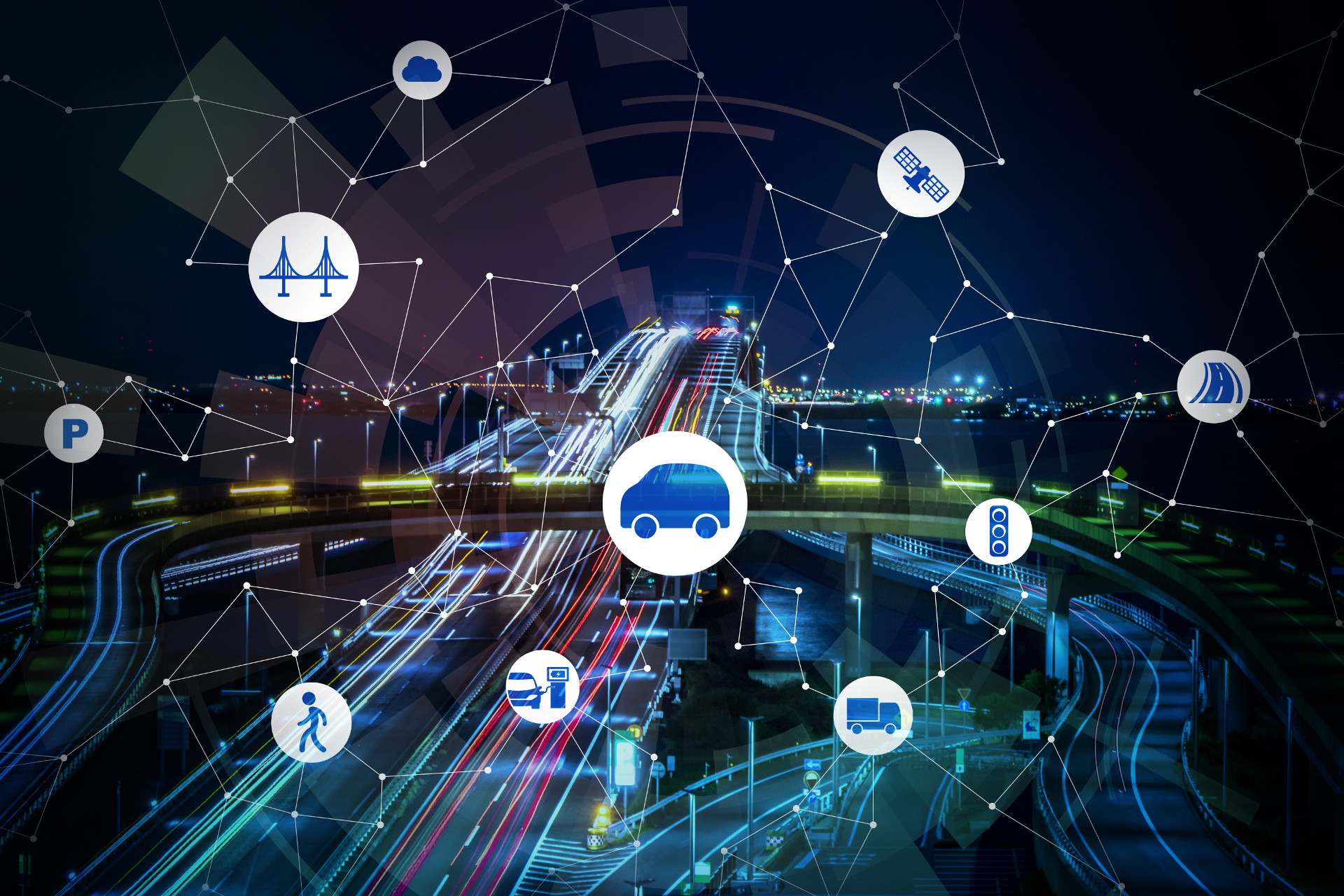
Technology isn’t just a component; it’s the fundamental enabler transforming theoretical mobility concepts into tangible realities.
A. 5G Connectivity:
* Impact: Provides the ultra-low latency and high bandwidth necessary for real-time V2X communication, reliable autonomous vehicle operations, and instant data transfer for mobility platforms.
* Benefit: Critical for the performance and safety of next-generation mobility services.
B. Artificial Intelligence (AI) and Machine Learning (ML):
* Impact: Powers predictive analytics for traffic flow, optimizes routing for ride-sharing and public transport, enhances demand forecasting for micromobility fleets, and is fundamental to autonomous driving decision-making.
* Benefit: Enables proactive management, intelligent optimization, and personalized mobility experiences.
C. Internet of Things (IoT) Sensors:
* Impact: Deployed in infrastructure (smart traffic lights, parking sensors), vehicles, and personal mobility devices to collect real-time data on movement, environment, and usage patterns.
* Benefit: Provides the raw data feeds necessary for intelligent traffic management, dynamic pricing, and system optimization.
D. Big Data Analytics and Cloud Computing:
* Impact: Processes and stores the enormous volumes of data generated by connected vehicles and smart infrastructure, enabling insights into mobility patterns, congestion points, and service demand.
* Benefit: Facilitates evidence-based policy making, continuous system improvement, and the development of new mobility services.
E. Digital Twin Technology:
* Impact: Creates virtual replicas of cities and their transport networks, allowing urban planners to simulate the impact of new policies, infrastructure changes, or mobility services before physical implementation.
* Benefit: Reduces risk, optimizes investment, and accelerates the planning cycle for complex urban projects.
F. Blockchain Technology:
* Impact: Potential for secure and transparent management of mobility data, digital identities for shared vehicles, and peer-to-peer car-sharing platforms.
* Benefit: Enhances trust, security, and efficiency in decentralized mobility ecosystems.
Challenges and Future Horizons for Urban Mobility
While the promise of optimized urban mobility is immense, several significant challenges must be addressed for widespread and equitable implementation.
A. Data Privacy and Cybersecurity:
* Challenge: The vast collection and sharing of mobility data raise significant privacy concerns. Protecting this sensitive information from breaches and ensuring responsible use is paramount. Cybersecurity for connected and autonomous vehicles is also critical.
* Solution: Robust data governance frameworks, encryption, anonymization techniques, and continuous cybersecurity investments.
B. Infrastructure Investment and Funding:
* Challenge: Developing integrated public transport, charging infrastructure for EVs, and dedicated micromobility lanes requires massive upfront capital investment and sustained funding.
* Solution: Innovative financing models (e.g., public-private partnerships, value capture financing), carbon taxes, and reallocation of funds from car-centric infrastructure.
C. Regulatory Harmonization and Policy Integration:
* Challenge: Managing new mobility services (e.g., e-scooter parking, ride-hailing regulations) and integrating them with existing transport laws can be complex due to fragmented jurisdictions.
* Solution: Cross-departmental government collaboration, clear regulatory sandboxes for testing new technologies, and adaptable policy frameworks.
D. Behavioral Change and Public Acceptance:
* Challenge: Shifting long-entrenched habits of private car ownership towards shared, active, or public transport options requires significant behavioral change, influenced by convenience, cost, and perception.
* Solution: Public awareness campaigns, incentivizing sustainable modes, and ensuring new services are reliable, affordable, and user-friendly.
E. Equity and Accessibility Gaps:
* Challenge: Ensuring that new mobility solutions do not exacerbate existing inequalities, and that technologies are accessible to all socioeconomic groups and individuals with disabilities.
* Solution: Subsidized fares, universal design principles, and targeted deployment of services in underserved areas.
F. Integration of Autonomous Vehicles (AVs):
* Challenge: The gradual introduction of AVs presents complex regulatory, ethical, and infrastructure challenges. Integrating human-driven and autonomous vehicles seamlessly into the same traffic flow requires careful planning.
* Solution: Phased deployment, dedicated AV lanes initially, robust safety standards, and public education.
G. Space Management and Urban Planning:
* Challenge: Effectively reallocating urban space from private vehicles to public transport, cycling lanes, pedestrian zones, and shared mobility hubs.
* Solution: Comprehensive land-use planning, congestion pricing, vehicle-free zones, and tactical urbanism initiatives.
H. Sustainability of Micromobility:
* Challenge: Managing the lifecycle environmental impact of shared e-scooters and e-bikes, including battery disposal, vehicle longevity, and sustainable charging practices.
* Solution: Regulations promoting durable vehicles, proper battery recycling, and responsible fleet management.
Conclusion
The headline “Urban Mobility: Future City Solutions” underscores a global imperative. The transformation of how we move within cities is not a luxury but a necessity for building resilient, equitable, and environmentally sound urban environments. The confluence of technological innovation, shifts in urban planning philosophy, and evolving consumer behaviors is creating a dynamic ecosystem of solutions. From the revitalized backbone of public transit to the agile convenience of micromobility and the intelligent orchestration of smart infrastructure, cities are becoming living laboratories for sustainable movement. The ultimate success will depend on collaborative governance, continuous technological adaptation, and a collective commitment to designing urban spaces where movement enhances, rather than detracts from, the quality of life for all inhabitants. The future city is a connected city, and its heartbeat will be its intelligent and integrated mobility.