
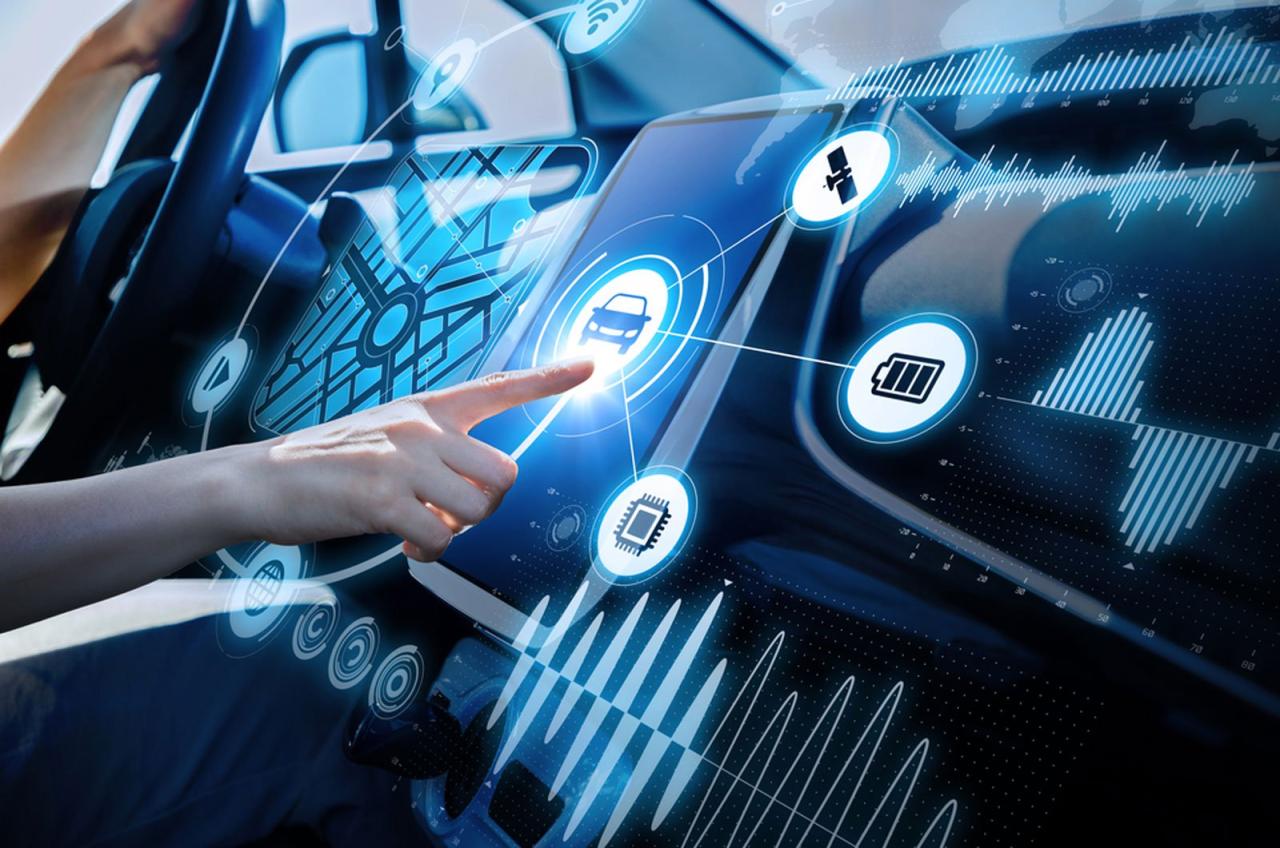
The modern automobile has evolved far beyond a mere mechanical conveyance; it is now a sophisticated, mobile supercomputer, deeply integrated into our digital lives and increasingly connected to external networks. The headline “Connected Car Security” is no longer a niche concern for tech enthusiasts but a paramount imperative for every automaker, regulatory body, and, critically, every driver. As vehicles become perpetually linked to the internet, cloud services, other vehicles (V2V), and roadside infrastructure (V2I), they open up unprecedented avenues for convenience, entertainment, and safety. However, this vast interconnectedness simultaneously exposes them to an array of complex and evolving cyber threats. Understanding, mitigating, and proactively defending against these vulnerabilities is fundamental to ensuring public trust, safeguarding personal data, and preserving the very integrity of the future of mobility. This article delves deeply into the multifaceted landscape of connected car security, meticulously dissecting the threats, the vulnerabilities, the robust measures being implemented, and the ongoing collaborative efforts required to protect our increasingly digital wheels.
The Evolution of Automotive Connectivity and Its Risks
The journey from purely mechanical vehicles to highly connected machines has been rapid, driven by consumer demand for features, regulatory pushes for safety, and the industry’s desire for new revenue streams. However, with every layer of connectivity added, new vectors for attack emerge.
A. Infotainment Systems and External Connectivity:
* Early Stages: Initially, connected features were limited to basic telematics (e.g., emergency calls, remote diagnostics).
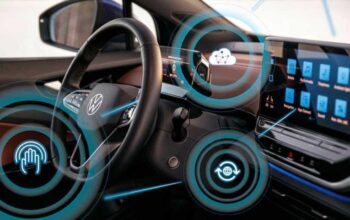
* Modern Systems: Today’s infotainment units boast large touchscreens, internet Browse, app integration, Wi-Fi hotspots, Bluetooth, and smartphone mirroring (Apple CarPlay, Android Auto). These systems are frequently updated via over-the-air (OTA) technology.
* Security Risk: These interfaces represent a direct entry point for attackers if not rigorously secured. Vulnerabilities in web browsers, apps, or Bluetooth protocols can be exploited to gain access to the car’s internal networks.
B. Vehicle-to-Everything (V2X) Communication:
* Concept: V2X enables real-time communication between vehicles (V2V), vehicles and infrastructure (V2I – e.g., traffic lights, road sensors), vehicles and pedestrians/devices (V2P), and vehicles to the cloud/network (V2N). This data exchange is critical for advanced safety features, traffic management, and autonomous driving.
* Security Risk: The integrity and authenticity of V2X messages are paramount. Malicious actors could inject false data (e.g., phantom obstacle warnings, incorrect traffic light signals), leading to collisions, traffic chaos, or even denial-of-service attacks on smart city infrastructure. Ensuring message encryption, authentication, and rapid revocation of compromised certificates is vital.
C. Autonomous Driving Systems and Sensors:
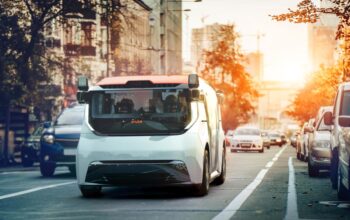
* Concept: Self-driving cars rely on an intricate network of sensors (Lidar, Radar, cameras, ultrasonics), high-performance computing units, and sophisticated AI algorithms to perceive their environment and make driving decisions.
* Security Risk: These sensors are potential points of attack. “Spoofing” attacks could trick radar or Lidar into detecting phantom objects or missing real ones. Malicious code injected into the AI system could manipulate decision-making, leading to unsafe maneuvers. The complex software stack requires robust validation and protection.
D. Over-the-Air (OTA) Updates:
* Concept: The ability to wirelessly update vehicle software, including critical safety features, infotainment, and even powertrain performance.
* Security Risk: While convenient, OTA updates present a significant attack surface. If an attacker can compromise the update server or intercept and modify the update package, they could push malicious firmware to thousands or millions of vehicles, gaining control or causing widespread malfunctions. Secure update mechanisms with robust authentication and encryption are essential.
E. Remote Access and Digital Keys:
* Concept: Features like remote start, remote lock/unlock, climate control activation via smartphone apps, and digital key functionalities.
* Security Risk: These features rely on cloud connectivity and secure authentication. Vulnerabilities in mobile apps, cloud servers, or the communication protocols could allow unauthorized access, vehicle theft, or privacy breaches.
F. Internal Vehicle Networks (CAN Bus, Ethernet):
* Concept: Modern cars have multiple Electronic Control Units (ECUs) that communicate over internal networks like the Controller Area Network (CAN bus) or automotive Ethernet. These networks control critical functions like steering, braking, and engine management.
* Security Risk: Historically, the CAN bus lacked inherent security features. Once an attacker gains access to a single vulnerable ECU (e.g., via a compromised infotainment system), they could potentially send malicious commands across the entire network, affecting critical safety functions. Isolating critical domains and implementing secure gateways are crucial.
The Landscape of Connected Car Cyber Threats
The types of cyberattacks targeting connected cars are diverse and rapidly evolving, requiring a multi-layered defense strategy.
A. Remote Hacking and Unauthorized Access:
* Method: Exploiting vulnerabilities in external interfaces (Wi-Fi, Bluetooth, cellular modem, telematics units, infotainment apps) to gain unauthorized access to the vehicle’s internal network.
* Consequence: Vehicle theft, remote control of critical functions (e.g., braking, steering, acceleration), data exfiltration (e.g., personal driving habits, location data).
B. Data Exfiltration and Privacy Breaches:
* Method: Stealing personal data (e.g., driving patterns, location history, voice commands, biometric data from seats) stored in the vehicle or transmitted to cloud services. This can also include sensitive user login credentials.
* Consequence: Identity theft, targeted advertising, surveillance, or even blackmail based on sensitive personal information.
C. Malware and Ransomware Attacks:
* Method: Injecting malicious software into the vehicle’s systems, potentially encrypting critical data and demanding a ransom for its release, or simply disrupting operations.
* Consequence: Render the vehicle inoperable, compromise safety systems, or hold the owner’s data hostage.
D. Denial-of-Service (DoS) Attacks:
* Method: Overwhelming a vehicle’s communication systems or internal networks with excessive traffic, preventing legitimate functions or communications.
* Consequence: Disrupting navigation, communication, or critical safety features (e.g., V2X communication). Could be used to create traffic chaos or prevent emergency calls.
E. Sensor Spoofing and Jamming:
* Method:
* Spoofing: Sending false signals to trick sensors (Radar, Lidar, cameras) into misinterpreting the environment (e.g., creating phantom obstacles, hiding real ones, spoofing GPS signals).
* Jamming: Interfering with sensor signals to blind the vehicle’s perception systems.
* Consequence: Critical for autonomous vehicles. Could lead to accidents, misdirection, or inability to operate safely.
F. Firmware Manipulation:
* Method: Tampering with the vehicle’s core software (firmware) to alter its behavior, disable safety features, or install backdoors. This can occur via compromised OTA updates or direct physical access.
* Consequence: Complete compromise of vehicle functionality, permanent damage, or creation of a fleet-wide vulnerability.
G. Supply Chain Attacks:
* Method: Introducing vulnerabilities or malicious code during the manufacturing process of components (e.g., ECUs, infotainment chips) or within the software development tools used by suppliers.
* Consequence: A single compromised component could introduce a vulnerability into millions of vehicles before they even leave the factory.
Regulatory Frameworks and Industry Collaboration
The complexity of connected car security necessitates a global, collaborative approach involving governments, industry bodies, and academia.
A. UNECE WP.29 Regulations (UN R155 & R156):
* Concept: These are groundbreaking international regulations from the United Nations Economic Commission for Europe (UNECE) that mandate Cybersecurity Management Systems (CSMS) and Software Update Management Systems (SUMS) for vehicle manufacturers.
* Impact: Applies to vehicles type-approved in UNECE signatory countries. Requires automakers to have processes in place to manage cybersecurity risks throughout the vehicle’s entire lifecycle, from design to end-of-life. This is a major driver for “secure by design.”
B. ISO/SAE 21434 (Road Vehicles – Cybersecurity Engineering):
* Concept: An international standard that provides a framework for cybersecurity management within the automotive industry, aligning with UNECE R155 requirements.
* Impact: Offers practical guidance for automakers and suppliers on how to implement cybersecurity engineering processes, risk assessments, and vulnerability management.
C. NHTSA (National Highway Traffic Safety Administration – U.S.):
* Concept: While the U.S. doesn’t have a single federal AV/cybersecurity law, NHTSA has issued guidance on automotive cybersecurity best practices and can initiate recalls for safety defects stemming from cyber vulnerabilities.
* Impact: Encourages voluntary adoption of security measures and maintains regulatory oversight for safety.
D. Industry Alliances and Consortia:
* Concept: Organizations like the Automotive Information Sharing and Analysis Center (Auto-ISAC) facilitate threat intelligence sharing, best practices development, and coordinated incident response among automakers, suppliers, and cybersecurity firms.
* Impact: Fosters collective defense, enabling the industry to respond more effectively to emerging threats.
E. Legislation on Data Privacy (e.g., GDPR, CCPA):
* Concept: General data protection regulations apply to the vast amounts of personal data collected by connected cars.
* Impact: Mandates strict rules around data collection, consent, storage, and user rights, adding another layer of regulatory compliance for automakers.
The Human Factor and Continuous Vigilance
Technology alone is not enough; the “human element” plays a critical role in connected car security.
A. Driver Education and Awareness:
* Importance: Educating drivers about safe practices (e.g., understanding permissions for apps, being wary of public Wi-Fi, keeping software updated) is crucial.
* Impact: Reduces vulnerabilities arising from user error or lack of awareness.
B. Security Training for Developers and Engineers:
* Importance: Ensuring that engineers involved in every stage of vehicle development are trained in secure coding practices and cybersecurity principles.
* Impact: Builds a culture of security within the automotive engineering teams.
C. Rapid Incident Response Teams:
* Importance: Establishing dedicated teams capable of quickly detecting, analyzing, and responding to cyber incidents, including issuing patches or recalls.
* Impact: Minimizes the impact of successful attacks and restores trust.
D. Threat Intelligence and Research:
* Importance: Continuously monitoring the cybersecurity landscape, analyzing emerging threats, and engaging with ethical hackers and researchers to discover vulnerabilities proactively.
* Impact: Stays ahead of malicious actors and adapts defenses to new attack techniques.
E. Collaboration with External Experts:
* Importance: Partnering with cybersecurity firms, academic institutions, and security researchers to leverage specialized expertise and stay on the cutting edge of threat detection and mitigation.
* Impact: Access to diverse perspectives and advanced tools for identifying and neutralizing threats.
The Future of Connected Car Security

As cars become even more integrated into smart cities and autonomous ecosystems, the complexity and criticality of their security will only intensify.
A. Zero-Trust Architectures:
* Concept: Assuming no user, device, or network is inherently trustworthy, even if within the corporate network. Every access attempt is verified.
* Impact: Will be increasingly applied to vehicle internal networks and cloud interactions, strengthening defense against lateral movement of attackers.
B. AI and Machine Learning for Anomaly Detection:
* Concept: Leveraging AI to analyze vast streams of vehicle data in real-time, identifying subtle anomalies that could indicate an attack.
* Impact: Proactive and adaptive security, moving beyond signature-based detection to predict and prevent novel attacks.
C. Blockchain for Supply Chain Security and Data Integrity:
* Concept: Exploring distributed ledger technology to ensure the authenticity and immutability of vehicle components, software updates, and collected data throughout the supply chain.
* Impact: Provides an unforgeable record, enhancing trust and preventing tampering from component to final assembly.
D. Post-Quantum Cryptography:
* Concept: Developing and deploying cryptographic algorithms that are resistant to attacks from future quantum computers, which could potentially break current encryption standards.
* Impact: Future-proofs vehicle communication and data protection against next-generation threats.
E. Enhanced Data Minimization and Privacy-Preserving Technologies:
* Concept: Designing systems to collect only the essential data needed, anonymizing it by default, and using privacy-enhancing technologies (e.g., federated learning) to extract insights without compromising individual privacy.
* Impact: Addresses growing consumer and regulatory concerns about data privacy.
Conclusion
The headline “Connected Car Security” is a stark reminder that the digital transformation of automobiles brings with it profound responsibilities. The journey towards safer, smarter, and more integrated mobility hinges entirely on the industry’s unwavering commitment to cybersecurity. It requires continuous innovation, vigilant monitoring, robust regulatory frameworks, and unprecedented collaboration across sectors. By proactively fortifying these digital wheels against a constantly evolving threat landscape, we can ensure that the promise of connected cars is realized, delivering benefits that enhance our lives without compromising our safety or privacy. The battle for the secure connected car is an ongoing one, and its success is paramount for the future of transportation.