
The Confluence of Transformative Forces Reshaping the Automotive Landscape

The current seismic shifts within the automotive market are not isolated phenomena. Instead, they represent a synergistic interaction of multiple, deeply intertwined trends that are fundamentally redefining every facet of the automotive value chain, from raw material sourcing to end-of-life vehicle recycling. Understanding these intertwined forces is crucial for comprehending the scale of the ongoing transformation.
A. Electrification: The Irreversible Power Shift:
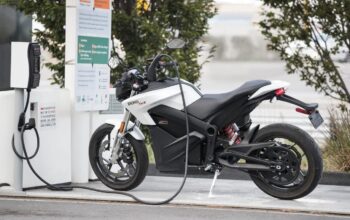
* Defining Impact: This is arguably the most dominant and immediate force. Governments across the globe are progressively enacting ambitious regulations and setting definitive deadlines for the cessation or drastic reduction of internal combustion engine (ICE) vehicle sales, thereby accelerating the inevitable transition towards Electric Vehicles (EVs). This broad category encompasses Battery Electric Vehicles (BEVs) as pure electric, Plug-in Hybrid Electric Vehicles (PHEVs) offering dual power sources, and Hybrid Electric Vehicles (HEVs) providing enhanced efficiency. This paradigm shift profoundly influences every aspect of the automotive ecosystem, from fundamental powertrain design and sophisticated manufacturing methodologies to complex global battery supply chains and the indispensable expansion of charging infrastructure.
* Manifestations of Change: This transition necessitates monumental capital expenditures in establishing vast “gigafactories” for battery production, intensive research and development into novel battery chemistries that promise greater energy density and lower costs, and a profound re-skilling of the automotive workforce, shifting expertise from traditional mechanical engineering to cutting-edge electrical and software domains.
B. Autonomous Driving: The Intelligent Evolution of Mobility:
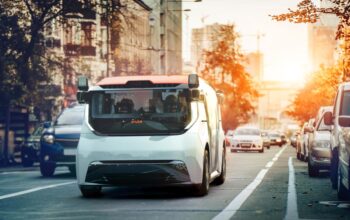
* Defining Impact: The continuous advancement in autonomous driving technologies, ranging from sophisticated Level 2+ Advanced Driver-Assistance Systems (ADAS) that augment human control to the nascent but rapidly progressing Level 4 and Level 5 fully autonomous capabilities, is poised to fundamentally redefine vehicle safety, enhance passenger convenience, and unlock entirely new dimensions of mobility. While the widespread adoption of fully driverless consumer vehicles may still be several years away, the incremental integration of these autonomous features is already instigating significant changes in fundamental vehicle architectures, dictating the requirement for advanced sensor suites, and elevating the criticality of complex software development priorities.
* Manifestations of Change: This shift mandates a primary focus on integrating sophisticated sensor arrays, including Lidar (Light Detection and Ranging), Radar, and high-resolution Cameras, alongside the development of cutting-edge Artificial Intelligence (AI) and Machine Learning (ML) algorithms for advanced environmental perception and complex decision-making. Furthermore, the reliance on ultra-precise, continuously updated high-definition mapping becomes an indispensable component of autonomous operation.
C. Connectivity: The Always-On, Intelligent Vehicle:
* Defining Impact: Modern vehicles are rapidly evolving beyond mere modes of transport; they are transforming into sophisticated, constantly connected data hubs. This ubiquitous connectivity encompasses continuous internet access, real-time communication with other vehicles (Vehicle-to-Vehicle, V2V), and seamless interaction with smart infrastructure (Vehicle-to-Infrastructure, V2I). This pervasive digital integration enables a plethora of new functionalities, including over-the-air (OTA) software updates, highly accurate real-time navigation, immersive infotainment experiences, and the introduction of entirely novel vehicle-centric services.
* Manifestations of Change: Software development now ascends to a position of equal or even greater importance than traditional hardware engineering. Automakers are aggressively recruiting vast numbers of software engineers, investing heavily in developing proprietary operating systems for their vehicles, and cultivating expansive in-car application ecosystems. This shift concurrently unlocks significant opportunities for new revenue streams derived from subscription services, highly personalized digital features, and the monetization of vast quantities of vehicle-generated data.
D. Shared Mobility and Evolving Ownership Paradigms:
* Defining Impact: The escalating popularity of ride-hailing services, short-term car-sharing platforms, and flexible vehicle subscription models is fundamentally challenging the deeply entrenched tradition of individual car ownership, particularly within densely populated urban environments. The advent of highly affordable and ubiquitous autonomous vehicles has the potential to further accelerate this trend, rendering shared mobility solutions even more cost-effective and convenient for a broad demographic.
* Manifestations of Change: This shift compels the automotive industry to transition its primary focus from merely selling discrete vehicle units to providing comprehensive “Mobility-as-a-Service” (MaaS) solutions. This, in turn, necessitates the development of innovative business models, sophisticated fleet management strategies, and a renewed emphasis on vehicle durability and ease of maintenance for shared applications.
E. Sustainability and ESG (Environmental, Social, and Governance) Imperatives:
* Defining Impact: Beyond the immediate imperative to reduce tailpipe emissions, there is a rapidly intensifying global demand from consumers, institutional investors, and regulatory bodies for demonstrably more sustainable practices across the entirety of the automotive product lifecycle. This encompasses responsible and ethical sourcing of raw materials, the implementation of energy-efficient and low-carbon manufacturing processes, and the establishment of robust end-of-life vehicle recycling programs.
* Manifestations of Change: This heightened focus translates into a significant increase in the utilization of recycled content and sustainably sourced, bio-based materials (e.g., plant-derived plastics, vegan leathers) within vehicle construction. Furthermore, there is a strong emphasis on applying circular economy principles to vehicle design, ensuring products are engineered for easier disassembly, repair, and component reuse, alongside greater transparency and accountability throughout complex global supply chains.
F. Geopolitical Dynamics and Supply Chain Reshaping:
* Defining Impact: Recent global events, including persistent trade tensions, geopolitical conflicts, and the disruptive widespread impact of the COVID-19 pandemic, have starkly exposed critical vulnerabilities within the previously optimized but fragile global automotive supply chains (most notably, the protracted semiconductor shortages). Consequently, there is a powerful and accelerating momentum towards localizing production capabilities and diversifying sourcing strategies for critical components.
* Manifestations of Change: This trend is driving various strategies such as “reshoring” (bringing production back to the home country) or “friend-shoring” (locating production in geopolitically allied nations) for the manufacturing of essential components like advanced batteries and vital semiconductor chips. This also implies a greater regionalization of automotive production networks and an increasing propensity for government intervention in industries deemed strategically critical for national economic and technological security.
Redrawing the Global Automotive Map
The “Global Auto Market Shifts” are manifesting unevenly across different geographical regions, with each experiencing unique transformations and witnessing the rise of new, influential players challenging established hierarchies.
A. China: The Unstoppable EV Vanguard:
* Current Market Position: Unquestionably stands as the world’s preeminent automotive market in terms of sheer volume and has unequivocally emerged as the dominant global force in both EV production capacity and sales penetration. This ascendancy is significantly bolstered by unwavering government support, the immense scale of its domestic consumer base, and the aggressive pace of innovation exhibited by its indigenous automotive companies.
* Key Trends and Influence: Characterized by rapid and widespread adoption of EVs across virtually all vehicle segments, China leads the world in advancements in battery technology and the rapid deployment of an expansive charging infrastructure. Crucially, Chinese automotive brands such as BYD, Nio, Xpeng, Geely, and SAIC are not only cementing their supremacy within their home market but are also embarking on aggressive international expansion, making significant inroads into Europe, Southeast Asia, and other key regions, thereby directly challenging the long-standing dominance of established global Original Equipment Manufacturers (OEMs).
B. Europe: The Regulatory-Driven Green Transition:
* Current Market Position: Has established itself as a leading proponent of stringent emissions regulations and a proactive facilitator of EV adoption through a combination of robust financial incentives and substantial investments in charging infrastructure. Historically, the European market has been largely defined by the formidable presence of premium German luxury brands, but it is now confronting intensifying competition from external players.
* Key Trends and Influence: Exhibits strong and sustained growth in EV sales, encompassing both PHEVs and BEVs, propelled by ambitious carbon dioxide (CO2) emission targets mandated by regulatory bodies. There’s also a heightened emphasis on circular economy principles and the implementation of sustainable sourcing practices throughout the supply chain. European automakers are engaged in colossal investment efforts aimed at rapidly closing the technological and market gap with EV pioneers like Tesla and the burgeoning wave of Chinese rivals, particularly in critical areas such as advanced software development and dedicated EV platform engineering.
C. North America (U.S. and Canada): Accelerating Electrification and Infrastructure Focus:
* Current Market Position: The United States is experiencing an accelerating rate of EV adoption, significantly bolstered by substantial federal incentives (notably, the Inflation Reduction Act – IRA) and a suite of diverse state-level policies. This market is characterized by its vast scale and diverse consumer preferences, with a particularly strong and enduring predilection for larger vehicle segments, specifically SUVs and pickup trucks. Canada, mirroring some of these trends, also observes steady growth in EV penetration.
* Key Trends and Influence: Marked by colossal private and public investment in establishing domestic battery manufacturing capabilities and expanding a comprehensive nationwide charging infrastructure. While Tesla continues to maintain a significant market lead, established domestic OEMs like Ford and General Motors are executing aggressive strategic pivots, introducing highly anticipated electric versions of their immensely popular truck and SUV models to capture a substantial share of the burgeoning EV market.
D. Japan and South Korea: Hybrid Prowess and Digital Innovation:
* Current Market Position: Japan retains its historical role as a global leader in hybrid vehicle adoption, a segment overwhelmingly dominated by its indigenous automotive giants, Toyota and Honda. Concurrently, South Korea, through its formidable Hyundai and Kia brands, is rapidly expanding its global EV footprint, distinguishing itself with compelling design aesthetics, advanced technological integration, and competitive pricing strategies.
* Key Trends and Influence: Japan is characterized by the continuous refinement and optimization of its highly efficient hybrid technologies. In contrast, South Korea is actively pushing the boundaries in advanced battery technology, exploring alternative energy sources such as hydrogen fuel cells, and integrating cutting-edge, sophisticated infotainment systems within its rapidly expanding EV portfolio.
E. Emerging Markets (India, Southeast Asia, Latin America, Africa): Phased Electrification:
* Current Market Position: These markets generally reside in earlier stages of the comprehensive EV transition. Their automotive landscapes are frequently shaped by a primary emphasis on vehicle affordability and the practical limitations of existing infrastructure. Notably, electric two- and three-wheel vehicles are experiencing particularly robust growth in these regions.
* Key Trends and Influence: Characterized by a more gradual, phased shift towards widespread EV adoption, often catalyzed and supported by targeted government incentives aimed at promoting electric mobility solutions. There is also a discernible trend towards bolstering local manufacturing capabilities and forging strategic partnerships with established global players to facilitate this transition. While ICE vehicles are projected to retain a dominant market share for a longer duration, the momentum towards electrification is undeniably gaining traction.
Navigating the Roadblocks to the New Automotive Era

Despite the unprecedented pace and scale of change, the full realization of the “Global Auto Market Shifts” is contingent upon successfully navigating a series of complex and multifaceted challenges:
A. Infrastructure Development: The Crucial Enabler:
* Challenge: The most immediate and tangible hurdle is the imperative to rapidly build out a robust, reliable, and truly ubiquitous EV charging infrastructure, with a particular emphasis on high-speed fast charging capabilities. Concurrently, national and regional electrical grids must be significantly upgraded to ensure they possess the capacity to reliably handle the massive increase in electricity demand from widespread EV adoption. This monumental undertaking necessitates colossal investments from both public and private sectors.
B. Supply Chain Resilience and Critical Materials Security:
* Challenge: Ensuring stable, ethical, and secure supplies of critical battery minerals (such as lithium, nickel, cobalt, and manganese), along with other essential components like semiconductors, remains a persistent and escalating challenge. The industry must prioritize diversifying its sourcing strategies and substantially increasing localized processing capabilities for these vital materials to mitigate geopolitical risks and ensure continuity of production.
C. Workforce Transformation and Re-skilling:
* Challenge: The fundamental shift from ICE-centric vehicle manufacturing to EV and software-driven production necessitates a massive and rapid re-training and upskilling effort for the existing automotive workforce. While this transition will undoubtedly create new employment opportunities in emerging fields, it also carries the potential for significant job displacement in traditional manufacturing sectors, requiring proactive government and industry collaboration to manage this transition equitably.
D. Regulatory Harmonization: A Global Imperative:
* Challenge: The current fragmented landscape of disparate national and regional regulations for EVs (e.g., varying charging standards), autonomous vehicles (e.g., differing liability frameworks, testing protocols), and data privacy creates significant friction and inefficiency for global automakers and AV developers. Developing consistent and internationally harmonized regulations is absolutely crucial to facilitate seamless global deployment and avoid market fragmentation.
E. Cost and Mass Market Affordability:
* Challenge: While the cost of electric vehicles is steadily declining, they often retain a premium price point compared to equivalent ICE vehicles, particularly when excluding government incentives. Achieving true price parity and making EVs genuinely affordable for the mass market, independent of subsidies, remains a critical challenge for accelerating widespread adoption.
F. Cybersecurity: The Digital Vulnerability:
* Challenge: As vehicles become increasingly connected and their functionalities become predominantly software-defined, they concurrently become more susceptible to sophisticated cyberattacks. Ensuring robust cybersecurity measures throughout the entire vehicle lifecycle, from initial design and production to ongoing operation and maintenance, is an absolutely paramount concern to protect passenger safety and data integrity.
G. Public Acceptance and Building Trust:
* Challenge: Overcoming persistent consumer anxieties, such as “range anxiety” (fear of running out of charge) and “charging anxiety” (concerns about charger availability and reliability), along with building widespread public trust in the safety and reliability of autonomous driving systems, requires consistent positive user experiences, transparent communication, and comprehensive public education initiatives.
H. Recycling and Sustainable End-of-Life Management:
* Challenge: As the volume of EVs on the road rapidly increases, establishing highly efficient, environmentally sound, and economically viable processes for recycling vast numbers of EV batteries and other high-tech components at the end of their useful life is an urgent and substantial challenge. This is vital for minimizing waste, recovering valuable raw materials, and ensuring the overall sustainability of the electric mobility ecosystem.
Conclusion
The “Global Auto Market Shifts” are not merely a transient phase; they represent an enduring and irreversible departure from decades of established industrial norms. This profound transformation is being powered by an irresistible confluence of rapid technological innovation, undeniable environmental imperatives, and a dynamic evolution in consumer desires. While the journey ahead is undeniably complex, characterized by immense capital investment, intense new competitive dynamics, and the constant need for highly adaptive regulatory frameworks, the overarching direction is unequivocally clear: towards a future of mobility that is intrinsically electric, increasingly autonomous, seamlessly connected, and, most critically, fundamentally more sustainable.
The automotive revolution is not merely an anticipated event; it is actively unfolding, reshaping industries and societies at an unprecedented pace. The nations, corporations, and innovators that most effectively adapt to these profound shifts, by consistently fostering breakthrough innovation while astutely navigating the associated myriad challenges, are unequivocally positioned to emerge as the defining leaders in this exhilarating new chapter of automotive history.