

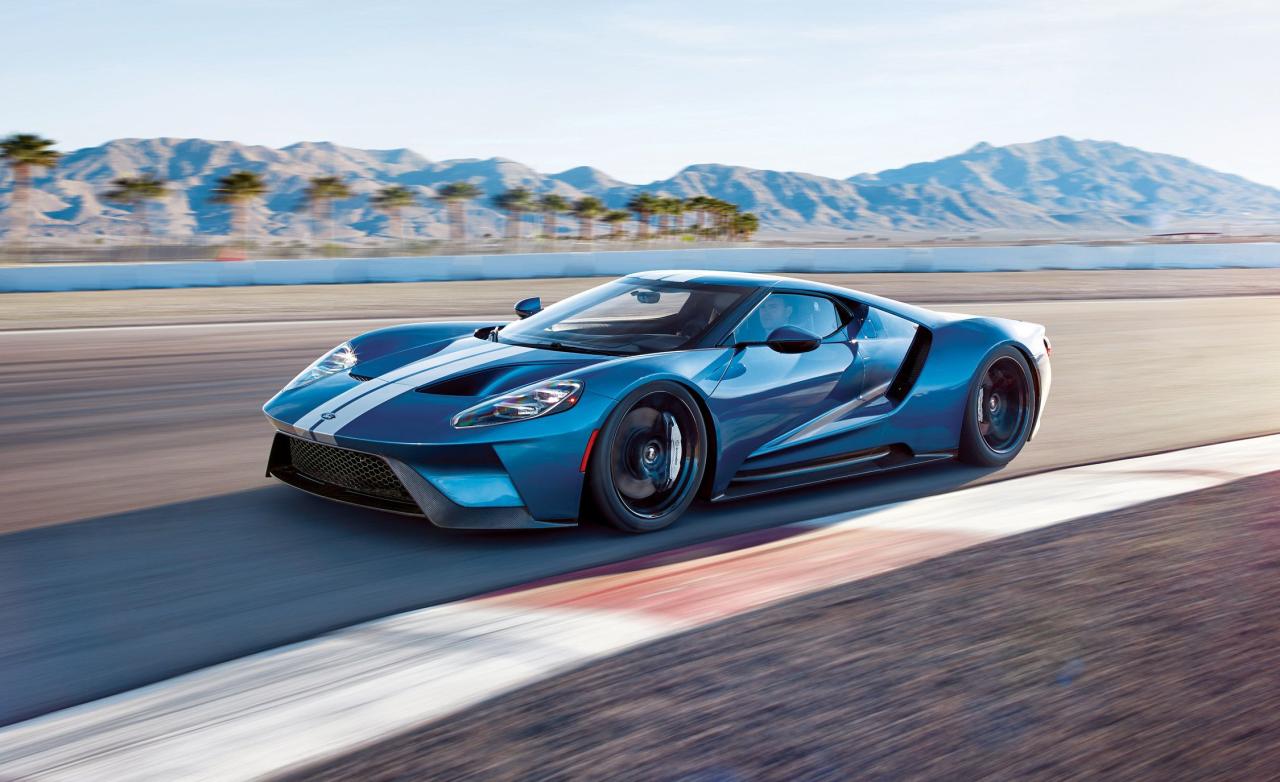
The world of high-performance automobiles has always been a crucible for cutting-edge technology, where raw power meets exquisite engineering. The phrase “Sports Car Innovations” isn’t merely about faster lap times or more potent engines; it encapsulates a relentless pursuit of perfection, a continuous push against the boundaries of physics, and a bold reimagining of the very essence of driving exhilaration. From the track to the road, these advancements often debut in sports cars before trickling down to more mainstream vehicles, making them vital laboratories for the future of automotive technology. This article delves into the groundbreaking innovations currently propelling the sports car segment forward, exploring how breakthroughs in electrification, aerodynamics, materials science, and digital integration are redefining performance for the 21st century.
The Enduring Philosophy of Sports Car Engineering
At its core, a sports car is designed to maximize the driving experience. This traditionally meant powerful engines, sharp handling, and lightweight construction. While these principles remain, the methods of achieving them have evolved dramatically. Sports car innovations are driven by several fundamental goals:
A. Enhanced Performance:
* The primary objective. This includes increasing horsepower, torque, acceleration, top speed, and, crucially, improving lap times on a track.
* Impact: This often leads to breakthroughs in engine technology, power delivery, and thermal management.
B. Superior Driving Dynamics:
* Beyond raw speed, a sports car must be engaging and responsive to driver inputs. This involves precision steering, exceptional braking, and balanced handling.
* Impact: Innovations in suspension, chassis design, and tire technology are critical here.
C. Weight Reduction:
* Lighter cars accelerate faster, corner harder, and brake more efficiently. The relentless pursuit of shedding kilograms is central to sports car design.
* Impact: This drives the adoption of advanced lightweight materials and clever structural engineering.
D. Aerodynamic Efficiency and Downforce:
* Managing airflow around, over, and under the car is vital for reducing drag (for top speed) and generating downforce (for grip at high speeds).
* Impact: This pushes innovations in active aero elements, underbody design, and overall body sculpting.
E. Driver Engagement and Immersion:
* Despite increasing automation, a sports car must connect the driver to the machine and the road, providing a visceral and rewarding experience.
* Impact: This influences everything from steering feel to exhaust note and cockpit ergonomics.
F. Safety and Control:
* High-performance vehicles demand advanced safety systems and robust control mechanisms to manage extreme forces and keep occupants safe.
* Impact: Innovations in braking systems, stability control, and structural integrity are continuously refined.
The New Performance Frontier
Perhaps the most significant disruption in sports car innovation comes from electrification, which is transforming power delivery and dynamics:
A. Hybrid Powertrains (PHEV Sports Cars):
* Concept: Combining a high-performance internal combustion engine with powerful electric motors. The electric motors provide instant torque fill, boost acceleration, and can even offer limited all-electric driving.
* Advantages:
* Instant Torque: Electric motors deliver maximum torque from 0 RPM, eliminating turbo lag and providing immediate acceleration.
* Power Boost: Supplementary electric power significantly increases overall system output beyond what a pure ICE could achieve.
* Improved Efficiency: Allows for more efficient engine operation and regenerative braking, boosting fuel economy (relative to pure ICE sports cars) and reducing emissions.
* Torque Vectoring: Electric motors on individual wheels enable sophisticated torque vectoring, improving handling and grip through corners.
* Examples: Porsche 918 Spyder, McLaren P1, Ferrari SF90 Stradale, Mercedes-AMG ONE, Porsche Panamera Turbo S E-Hybrid.
* Impact: Defines the current pinnacle of hypercar performance, showcasing how electrification enhances traditional ICE capabilities.
B. Pure Electric Sports Cars (BEV Sports Cars):
* Concept: Powered solely by electric motors and a large battery pack.
* Advantages:
* Blistering Acceleration: Unmatched 0-60 mph times due to instant, massive torque delivery from electric motors.
* Lower Center of Gravity: Heavy battery packs mounted low in the chassis dramatically improve handling and stability.
* Reduced NVH: Quieter, smoother operation, allowing designers to focus on other sensory aspects.
* Packaging Freedom: Eliminates engine, transmission, and exhaust, allowing for new design possibilities (e.g., frunks, larger cabins).
* Examples: Porsche Taycan, Audi e-tron GT, Tesla Model S Plaid, Rimac Nevera, Lotus Evija.
* Impact: Setting new benchmarks for acceleration and demonstrating that electric power can deliver true sports car exhilaration, challenging the traditional gasoline-powered status quo.
C. Advanced Battery Technology:
* Innovation: High-performance battery packs with advanced cooling systems, higher energy density (to reduce weight/size), and ultra-fast charging capabilities. Future advancements in solid-state batteries are especially promising for sports cars.
* Impact: Directly affects range, sustained performance during track driving, and charging times, making electric sports cars more practical and appealing.
D. Electric Motor Innovation:
* Innovation: Development of smaller, lighter, and more powerful electric motors, often using advanced magnet materials or axial flux designs for higher power density. Multi-motor setups enable advanced torque vectoring.
* Impact: Crucial for optimizing packaging, reducing unsprung weight, and achieving extreme power outputs.
Aerodynamics
Managing airflow is paramount in sports car design, affecting both speed and grip:
A. Active Aerodynamics:
* Concept: Movable aerodynamic elements that adjust in real-time based on speed, braking, or driver input.
* Features: Active rear wings (spoilers), adjustable front splitters, movable diffuser elements, active louvers/vents, and even active suspension systems that alter ride height for aero optimization.
* Advantages: Reduces drag for high top speed, increases downforce for cornering stability and braking, and can act as an air brake.
* Examples: Porsche 911 GT3, McLaren 720S, Lamborghini Huracán Performante (with Aerodinamica Lamborghini Attiva – ALA).
* Impact: Provides an unparalleled level of dynamic aerodynamic tuning, optimizing the car for different driving conditions.
B. Ground Effect Aerodynamics:
* Concept: Designing the underbody of the car to create a low-pressure area, effectively sucking the car to the road. This generates downforce without relying on large, drag-inducing wings.
* Features: Venturi tunnels, flat underbodies, and diffusers that accelerate air to create suction.
* Examples: High-performance track cars, some road-legal supercars.
* Impact: Generates massive downforce at speed, significantly increasing cornering grip and stability.
C. Computational Fluid Dynamics (CFD):
* Innovation: Advanced simulation software that allows engineers to model and optimize airflow around a vehicle with extreme precision, reducing the need for expensive physical wind tunnel testing.
* Impact: Accelerates aerodynamic development and allows for more intricate and effective aero solutions.
Materials Science
Every gram saved in a sports car translates to better performance:
A. Carbon Fiber:
* Innovation: Widespread use of carbon fiber reinforced polymers (CFRP) for chassis components (monocoques), body panels, suspension parts, and even wheels.
* Advantages: Extremely high strength-to-weight ratio, superior rigidity, and excellent crash performance.
* Examples: McLaren (pioneered carbon monocoques), Lamborghini (extensive use of carbon fiber for chassis and body), Ferrari.
* Impact: Fundamental for creating light, stiff, and safe high-performance cars, enabling radical designs and handling characteristics.
B. Aluminum Alloys:
* Innovation: Advanced aluminum alloys and fabrication techniques (e.g., extrusion, casting, bonding) for chassis structures and body panels.
* Advantages: Lighter than steel, good strength, and easier to recycle than carbon fiber.
* Examples: Audi R8 (aluminum space frame), Porsche (extensive use of aluminum in various models).
* Impact: A practical and cost-effective lightweight alternative to steel for many sports car components.
C. Titanium and Advanced Steels:
* Innovation: Strategic use of titanium for exhaust systems, connecting rods, or fasteners where extreme strength-to-weight or heat resistance is critical. Ultra-high-strength steels for specific structural elements.
* Impact: Contributes to marginal weight savings and enhanced durability in key areas.
D. 3D Printing/Additive Manufacturing:
* Innovation: Use of additive manufacturing for complex, lightweight components (e.g., custom brackets, intricate cooling channels, interior trim) that would be difficult or impossible to make with traditional methods.
* Impact: Allows for rapid prototyping, geometric freedom, and optimized weight distribution.
Chassis and Suspension
The way a sports car handles is as crucial as its straight-line speed:
A. Adaptive Dampers and Air Suspension:
* Innovation: Electronically controlled suspension systems that can adjust damping rates (magnetorheological dampers, adaptive valves) or ride height (air springs) in milliseconds.
* Advantages: Provides a wide range of tunability, from comfortable cruising to stiff track performance; actively manages body roll and pitch; can adapt to road conditions.
* Examples: Porsche Active Suspension Management (PASM), Ferrari’s MagneRide.
* Impact: Delivers both extreme performance and surprising daily usability, expanding the sports car’s versatility.
B. Active Roll Stabilization (Anti-Roll Bars):
* Concept: Electrically or hydraulically actuated anti-roll bars that actively counter body roll during cornering.
* Advantages: Keeps the car flatter in turns, improving handling and stability without compromising ride comfort during straight-line driving.
* Examples: Porsche Dynamic Chassis Control (PDCC), BMW’s Active Roll Stabilization.
* Impact: Enables higher cornering speeds and a more neutral handling balance.
C. Rear-Wheel Steering (RWS):
* Concept: The rear wheels can steer independently of the front wheels, typically in the opposite direction at low speeds (for maneuverability) and in the same direction at high speeds (for stability).
* Advantages: Enhances agility at low speeds (making the car feel smaller), improves high-speed stability, and aids in rapid lane changes.
* Examples: Porsche 911 GT3, Lamborghini Aventador S.
* Impact: Significantly improves a sports car’s dynamic capabilities, making it more responsive and confidence-inspiring.
D. Torque Vectoring Differentials:
* Concept: Electronic differentials that can actively distribute torque between the left and right wheels (and in some electric cars, between individual motors).
* Advantages: Improves traction, enhances turn-in response, and allows for more precise control through corners, effectively “pulling” the car around a turn.
* Examples: Audi RS models with quattro sport differential, Ferrari F8 Tributo (with FDE – Ferrari Dynamic Enhancer), electric sports cars with multi-motor setups.
* Impact: A powerful tool for optimizing power delivery and maximizing grip through corners.
Digital Integration and Driver Interface
Modern sports cars are as much about software and connectivity as they are about mechanical prowess:
A. Advanced Driver-Assistance Systems (ADAS):
* Innovation: While not autonomous, sports cars are integrating tailored ADAS features that enhance safety without detracting from driver engagement (e.g., track-focused traction control, performance ABS).
* Impact: Improves safety margins, helps drivers push limits more confidently, and can even offer coaching features.
B. Telemetry and Performance Data Logging:
* Innovation: Integrated systems that record vast amounts of vehicle data (lap times, G-forces, braking points, throttle input, tire temperatures) for analysis. Some even include built-in cameras for recording track sessions.
* Impact: Allows drivers to analyze and improve their driving technique, enhancing the “driver as athlete” experience.
C. Customizable Digital Cockpits:
* Innovation: Large, reconfigurable digital displays that prioritize relevant performance information, customizable gauges, and specific track modes.
* Impact: Provides the driver with critical data clearly and intuitively, reducing distractions.
D. Augmented Reality (AR) Displays:
* Innovation: AR-enabled head-up displays that project navigation arrows, braking points, or performance metrics directly onto the road ahead, seemingly integrated into the real world.
* Impact: Offers intuitive information delivery, keeping the driver’s eyes on the road.
E. Over-the-Air (OTA) Updates:
* Innovation: Ability to update vehicle software wirelessly, improving performance, adding features, and enhancing cybersecurity without a trip to the dealership.
* Impact: Ensures the sports car remains cutting-edge throughout its lifespan, potentially unlocking new performance capabilities or driving modes.
Challenges and Future Horizons
Despite the rapid advancements, the sports car segment faces its own unique challenges and is poised for further evolution:
A. Emissions Regulations and Noise Limits:
* Increasingly stringent global emissions standards and local noise regulations pose significant challenges for traditional high-revving ICE sports cars. This is a primary driver for electrification.
* Challenge: Maintaining the visceral sound and feel that enthusiasts crave while meeting environmental mandates.
B. Weight of Batteries in EVs:
* While electric motors offer performance benefits, the heavy battery packs present a challenge for traditional sports car agility and weight distribution, requiring innovative engineering to compensate.
* Challenge: Developing lighter, more energy-dense batteries to truly unlock the full potential of electric sports cars.
C. Preserving Driver Engagement:
* As cars become more automated and digitally assisted, the challenge is to prevent the driving experience from becoming sterile.
* Challenge: Designing systems that enhance, rather than detract from, the human connection to the machine.
D. Cost of Advanced Materials and Technologies:
* Many of these innovations are extremely expensive, limiting their adoption to high-end sports cars and hypercars.
* Challenge: Bringing these technologies down the cost curve for broader application.
E. Sustainability of Materials:
* While carbon fiber offers performance benefits, its environmental footprint (production and recycling) is a growing concern.
* Challenge: Researching and implementing more sustainable lightweight materials.
F. Synthetic Fuels:
* For enthusiasts who value traditional ICE sports cars, the development of carbon-neutral synthetic fuels offers a potential lifeline, allowing older and new ICE sports cars to remain relevant without emissions concerns.
Conclusion
The headline “Sports Car Innovations” encapsulates a dynamic and exhilarating period in automotive history. Far from becoming obsolete, the sports car is undergoing a profound metamorphosis, embracing electrification, advanced materials, and intelligent systems to deliver levels of performance and engagement previously unimaginable. These vehicles are not just about exhilarating speed; they are living laboratories, pushing the very boundaries of what is possible on four wheels, and continuously inspiring the next generation of automotive breakthroughs that will ultimately trickle down to every car on the road. The future of the sports car is not just faster; it’s smarter, more efficient, and perhaps, more thrilling than ever before.