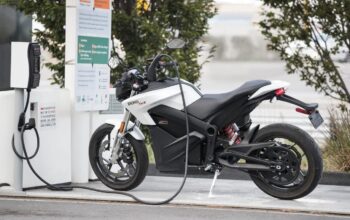


For many years, the electric vehicle (EV) market was perceived, perhaps justifiably, as an exclusive playground for early adopters and the affluent. High sticker prices, coupled with concerns about range anxiety and limited charging infrastructure, created significant barriers to entry for the average consumer. However, the landscape is now undergoing a dramatic and democratizing shift. The headline “Affordable Electric Cars Arrive” isn’t merely a promise; it’s a rapidly unfolding reality, signifying a pivotal moment in the global transition to sustainable mobility. This comprehensive expansion into more budget-friendly segments is driven by technological advancements, economies of scale, intensifying competition, and strategic government initiatives, all working in concert to bring EVs within reach of a much broader demographic.
The Evolution of EV Accessibility
The journey of electric vehicles from expensive novelties to accessible everyday transportation has been marked by several key phases. Initially, pioneering EVs like the Tesla Roadster or early Nissan Leaf models offered a glimpse into the future but came with premium price tags or significant compromises. Over the past few years, the focus has increasingly shifted towards making EVs competitive not just in terms of environmental impact, but also in terms of initial purchase price and total cost of ownership.
A. Early Adoption: High Cost, Limited Options:
* The first generation of mass-market EVs often had high battery costs, limited production volumes, and lacked the sophisticated features now common. They were primarily bought by environmentally conscious consumers willing to pay a premium.
B. Mid-Range Expansion: Gradual Price Reductions:
* As battery technology improved and manufacturing processes became more efficient, a wave of EVs emerged in the mid-range segment, offering better range and features at slightly more competitive prices. This period saw increased competition among established automakers.
C. Current Phase: The “Affordable EV” Offensive:
* We are now witnessing a concerted effort across the industry to introduce EVs specifically designed and priced for the mass market. This involves innovative battery chemistries, simplified vehicle architectures, and leveraging economies of scale.
* Impact: This is the most crucial phase for widespread adoption, as price parity (or near-parity) with equivalent gasoline cars removes a major psychological barrier for consumers.
Key Factors Driving Down EV Costs
The arrival of truly “affordable electric cars” is a complex achievement, resulting from synergistic developments across multiple fronts:
A. Declining Battery Costs:
* The battery pack is the single most expensive component in an EV. Over the past decade, battery costs per kilowatt-hour (kWh) have plummeted dramatically due to:
* Technological Advancements: Improved chemistries (e.g., higher energy density, less reliance on expensive raw materials like cobalt), better manufacturing processes, and economies of scale.
* New Battery Form Factors: Development of larger cell formats (e.g., prismatic, blade, 4680 cells) that are simpler to manufacture and integrate into battery packs, reducing complexity and cost.
* Supply Chain Optimization: More efficient sourcing of raw materials and increased production capacity from major battery manufacturers.
* Impact: This is by far the most significant factor enabling lower EV prices. As battery costs continue to fall, the initial purchase price of EVs becomes increasingly competitive.
B. Economies of Scale and Increased Production Volumes:
* As more EVs are produced, the per-unit cost of manufacturing decreases due to efficiency gains, optimized supply chains, and bulk purchasing of components.
* Impact: Major automakers are rapidly scaling up EV production lines, leading to higher volumes and lower costs, which can then be passed on to consumers.
C. Simplified Vehicle Architectures (Skateboard Platforms):
* Dedicated EV platforms (often called “skateboard” platforms) are inherently simpler than designing cars around internal combustion engines. They eliminate complex exhaust systems, fuel tanks, multi-speed transmissions, and intricate cooling systems.
* Design Impact: This modularity reduces manufacturing complexity, requires fewer unique parts, and allows for more efficient assembly, directly contributing to lower production costs.
D. Intensifying Competition:
* With virtually every major automaker committing to an electric future, competition in the EV space is heating up rapidly. New players (startups, Chinese manufacturers) are challenging established incumbents.
* Impact: This fierce competition drives innovation, forces manufacturers to optimize their cost structures, and puts downward pressure on pricing to capture market share.
E. Government Incentives and Subsidies:
* Many governments worldwide offer tax credits, rebates, purchase grants, and other incentives to encourage EV adoption.
* Impact: While not directly lowering the MSRP of the car, these incentives effectively reduce the net price paid by the consumer, making EVs more affordable and attractive, especially in the early stages of market transition. These incentives are often crucial for pushing EVs into a competitive price bracket.
F. Total Cost of Ownership (TCO) Benefits:
* While initial purchase price is a barrier, the TCO for EVs is often significantly lower than comparable ICE vehicles.
* Factors: Lower “fuel” costs (electricity vs. gasoline), reduced maintenance (fewer moving parts, no oil changes, spark plugs, etc.), and potential tax benefits or reduced registration fees.
* Impact: As consumers become more aware of these long-term savings, the perceived “affordability” of EVs extends beyond the sticker price.
Examples of the “Affordable EV” Wave
The market is now seeing a growing number of EVs designed to appeal to a broader budget, often offering surprising value for money:
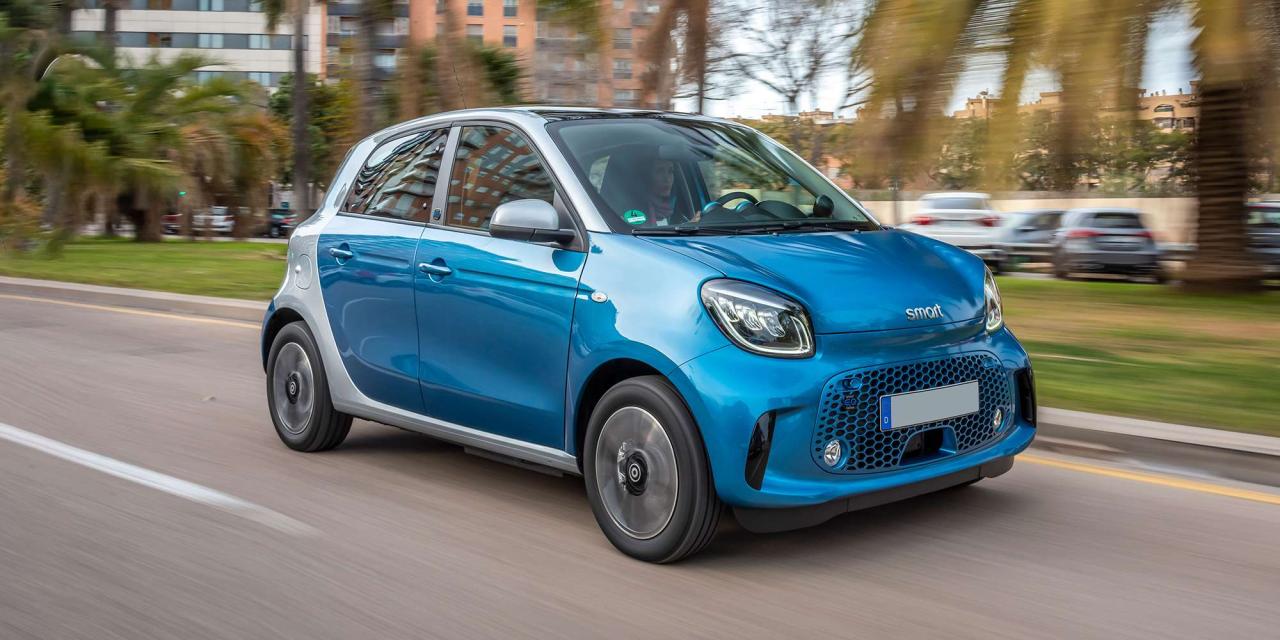
A. Small City EVs:
* Examples: Renault Zoe, Fiat 500e, Mini Cooper Electric, Dacia Spring (Europe), Wuling Hongguang Mini EV (China).
* Characteristics: Compact size, often shorter range but sufficient for urban commuting, lower power output, and a focus on essential features to keep costs down. These are ideal second cars or city-dwellers’ primary vehicles.
* Impact: These vehicles are particularly popular in Europe and China, demonstrating that EVs can be truly compact and accessible.
B. Compact Hatchbacks and Sedans:
* Examples: Nissan Leaf, Chevrolet Bolt EV/EUV, MG ZS EV/MG4 (global), BYD Dolphin/Seal (global), Hyundai Kona Electric (lower trims).
* Characteristics: Offer more versatility, better range, and often more advanced features than city EVs, but still positioned well below premium models. They target a broad segment of the market seeking an all-around reliable family car.
* Impact: These models are crucial for bridging the gap between entry-level and premium EVs, making electric mobility practical for a wider range of daily needs.
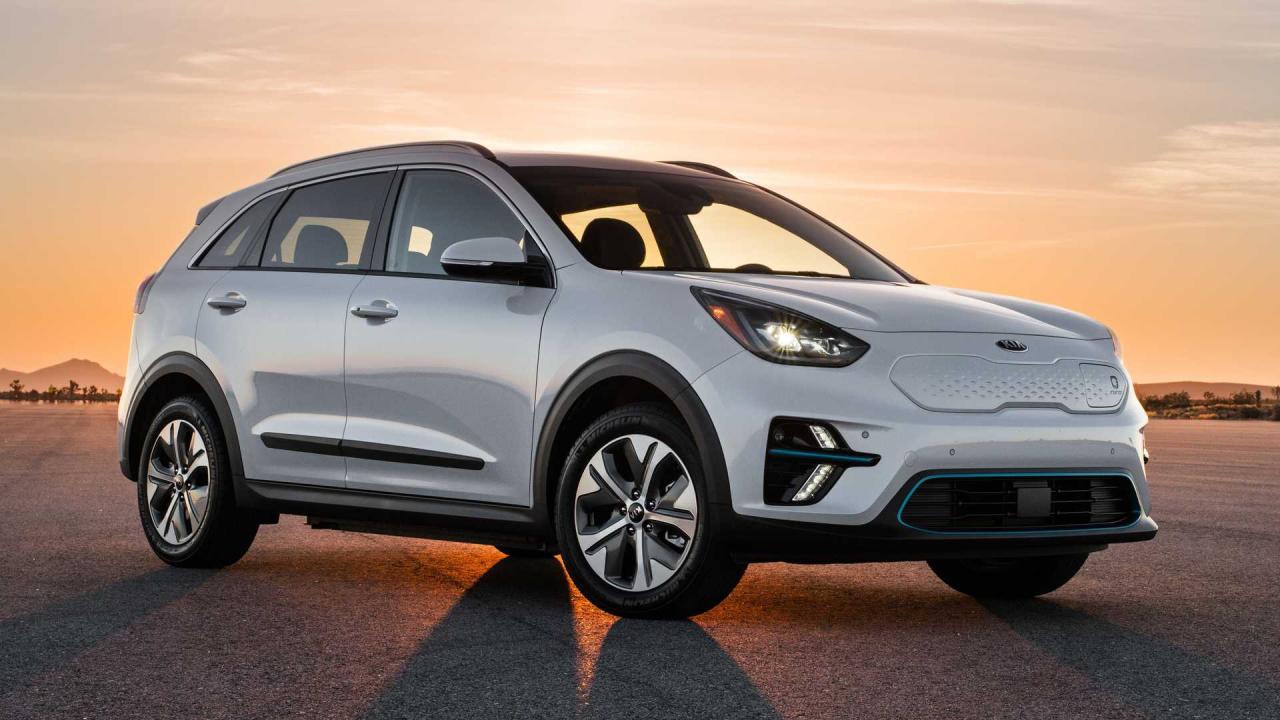
C. Entry-Level Crossovers/SUVs:
* Examples: Kia Niro EV, Hyundai Kona Electric, Volkswagen ID.4 (base models), various upcoming offerings from brands like Honda, Toyota, and Stellantis.
* Characteristics: While typically more expensive than hatchbacks, these vehicles cater to the strong global preference for SUVs, offering a higher seating position and more cargo space at a relatively affordable price point for an electric SUV.
* Impact: Expanding the affordable EV portfolio into the popular SUV segment is critical for mass market acceptance.
D. Chinese Market Influence:
* Chinese automakers like BYD, Nio (with some models), Xpeng, and GAC Aion are leading the charge in offering highly competitive EVs across various price points, often at significantly lower prices than Western equivalents, partly due to localized supply chains and government support.
* Impact: Their innovation and aggressive pricing strategies are pushing global manufacturers to respond with more affordable offerings, intensifying the competition globally.
The Total Cost of Ownership Advantage
Beyond the sticker price, the total cost of ownership (TCO) is a powerful argument for “affordable electric cars,” offering long-term savings:
A. Fueling Costs:
* Electricity is generally much cheaper per mile/kilometer than gasoline, especially when charging at home during off-peak hours. The fluctuating price of gasoline makes electricity a more stable and predictable expense.
* Example: Charging an EV at home can cost the equivalent of $1.00-$2.00 per gallon (or equivalent per liter in other currencies), often significantly less than gasoline.
B. Maintenance Costs:
* EVs have significantly fewer moving parts than ICE vehicles. There are no oil changes, spark plugs, timing belts, exhaust systems, or complex multi-speed transmissions to maintain.
* Impact: This translates to lower and less frequent maintenance needs, saving owners money over the vehicle’s lifetime. Brake wear can also be reduced due to regenerative braking.
C. Government Incentives and Tax Benefits:
* Many regions offer ongoing benefits, such as reduced or waived road tax, free or discounted parking, access to HOV (High-Occupancy Vehicle) lanes, and sometimes even free public charging.
* Impact: These benefits further reduce the overall cost of owning an EV, making them even more attractive economically.
D. Depreciation:
* While early EVs saw higher depreciation, the market for used EVs is strengthening as demand increases and battery longevity proves reliable. Affordable EVs may hold their value well if they meet ongoing demand for accessible electric transport.
Remaining Hurdles for Mass Adoption
Despite the positive trend, challenges remain in making EVs truly ubiquitous and accessible for everyone:
A. Initial Purchase Price (Still a Factor):
* While “affordable” EVs are arriving, they are still often priced at a slight premium compared to entry-level ICE vehicles in some markets. Closing this gap completely is crucial for truly mass-market appeal, especially without incentives.
B. Charging Infrastructure Gaps:
* While charging networks are expanding rapidly, reliable and ubiquitous public charging, particularly fast charging in rural areas or convenient solutions for apartment dwellers without dedicated parking, remains a significant hurdle. “Charging anxiety” can replace “range anxiety.”
C. Battery Performance in Extreme Climates:
* Cold weather can reduce EV range and charging efficiency. While technology is improving, this remains a consideration for consumers in very cold climates.
D. Perceived Complexity and unfamiliarity:
* Some consumers are hesitant due to unfamiliarity with EV technology, charging habits, or concerns about battery degradation over time. Education and experience are key to overcoming these perceptions.
E. Supply Chain Volatility and Raw Material Costs:
* The cost of critical raw materials for batteries (lithium, nickel, cobalt) can fluctuate, impacting manufacturing costs and potentially retail prices. Diversifying supply chains and investing in new extraction technologies are crucial.
F. Lack of Diverse Affordable Models:
* While more affordable EVs are appearing, the variety of body styles and segments (e.g., affordable electric pickup trucks, minivans) is still limited compared to the ICE market. This is rapidly changing but will take time to fully develop.
The Future of Affordable Electric Cars
The momentum is firmly behind the “EV for everyone” movement. The future promises even greater accessibility and innovation:
A. Solid-State Batteries:
* This next-generation battery technology promises higher energy density, faster charging, and potentially lower costs, which would be a game-changer for affordable EVs, offering longer range in smaller, lighter battery packs.
B. New Manufacturing Techniques:
* Gigafactories, cell-to-pack/cell-to-chassis integration, and advanced automation will further streamline production, driving down costs. Tesla’s efforts in structural battery packs are one example.
C. Standardization and Interoperability:
* Greater standardization of charging connectors and protocols will reduce confusion and enhance the user experience, making public charging more seamless. The recent adoption of the NACS (North American Charging Standard) by many automakers is a significant step in this direction.
D. Vehicle-to-Grid (V2G) Integration:
* Affordable EVs could become assets for grid stability, allowing owners to earn money by selling power back to the grid during peak demand or using their car to power their home during outages, further improving TCO.
E. Diverse Body Styles:
* Expect a rapid expansion of affordable EV options across all popular segments, including smaller SUVs, compact sedans, and even some light commercial vehicles, catering to every consumer need.
F. Increased Resale Value:
* As the market matures and batteries prove their longevity, the resale value of affordable EVs is expected to stabilize and potentially exceed that of comparable ICE vehicles, making them a more attractive long-term investment.
Conclusion
The arrival of “Affordable Electric Cars” is not merely a trend; it’s a fundamental shift marking the inflection point where electric mobility truly begins its journey to becoming the dominant form of personal transportation. As the economic benefits become undeniable and the variety of accessible models expands, the promise of an electric vehicle for every garage moves closer to being a universal reality, transforming our cities, our environment, and our relationship with personal mobility.