
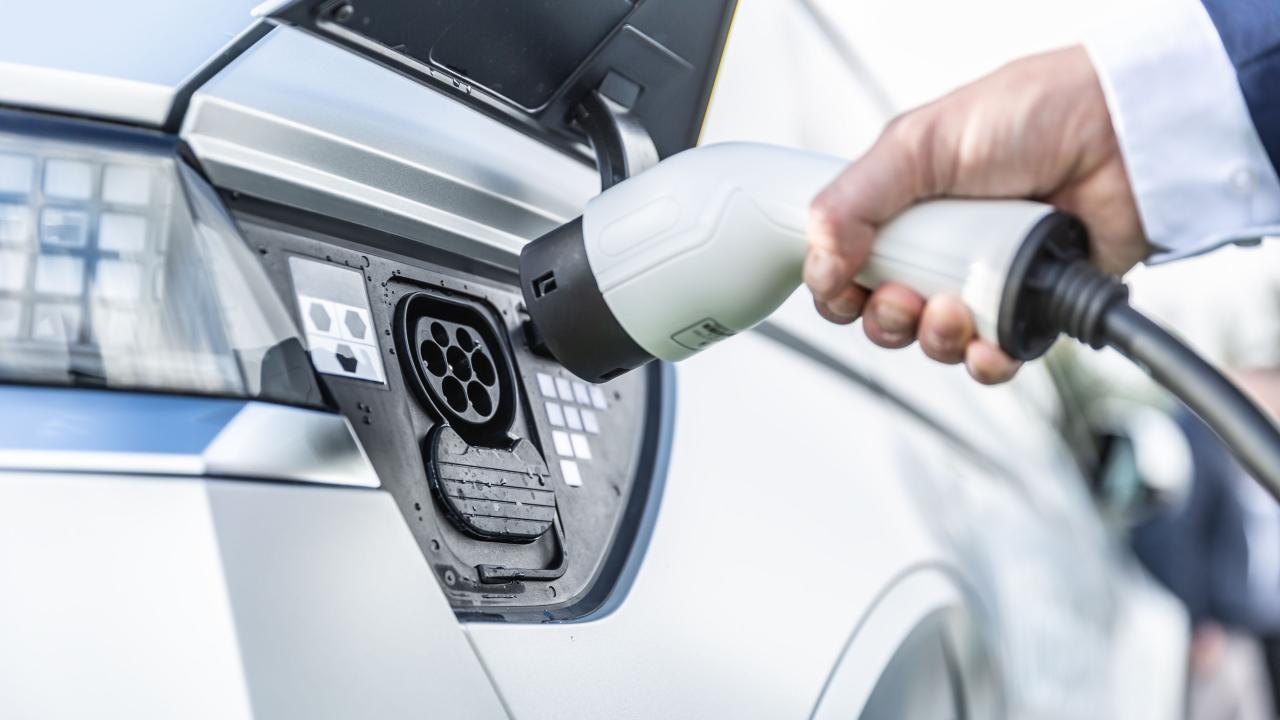
The automotive landscape is undergoing a monumental transformation, driven primarily by the accelerating adoption of electric vehicles (EVs). At the heart of this revolution lies a critical component: the charging infrastructure. While early EV adopters often grappled with range anxiety and limited charging options, the narrative is rapidly changing. The “EV Charging Network Expands” isn’t just a headline; it’s a testament to the aggressive global investment and innovation reshaping how we power our future transportation. This comprehensive expansion is not merely about adding more chargers; it encompasses a sophisticated evolution in technology, accessibility, and strategic deployment, paving the way for mass EV adoption.
The Crucial Role of Charging Infrastructure in EV Adoption
For many prospective EV buyers, the primary deterrent remains the perceived inconvenience of charging. Unlike internal combustion engine (ICE) vehicles that can refuel at ubiquitous gas stations in minutes, EVs require dedicated charging points, and charging times can vary significantly. Therefore, a robust, reliable, and easily accessible charging network is paramount to alleviating these concerns and accelerating the transition away from fossil fuels. Without adequate infrastructure, the benefits of EVs – environmental sustainability, reduced running costs, and a quieter driving experience – become less compelling for the average consumer.
The expansion of the EV charging network serves several vital functions:
A. Alleviating Range Anxiety: A dense network of chargers, particularly fast chargers along major highways and in urban centers, gives drivers the confidence to undertake longer journeys without fear of running out of power. This psychological comfort is as important as the physical availability of chargers.
B. Enhancing Convenience: The goal is to make charging as convenient as, if not more convenient than, traditional refueling. This includes workplace charging, residential charging solutions, and public charging stations integrated into daily routines, such as while shopping or dining.
C. Supporting Commercial Fleets: Businesses transitioning to electric fleets, from delivery vans to public transport, require specialized, high-capacity charging solutions to maintain operational efficiency. The network must cater to these diverse needs.
D. Driving EV Sales: As charging becomes easier and more accessible, the value proposition of EVs strengthens, directly contributing to increased sales and market penetration. This creates a virtuous cycle of infrastructure development fueling demand, and demand justifying further infrastructure investment.
E. Enabling Grid Modernization: The expansion of the charging network is intrinsically linked to the modernization and strengthening of electrical grids. Smart charging solutions can help manage demand, integrate renewable energy sources, and ensure grid stability.
The Different Types of EV Charging
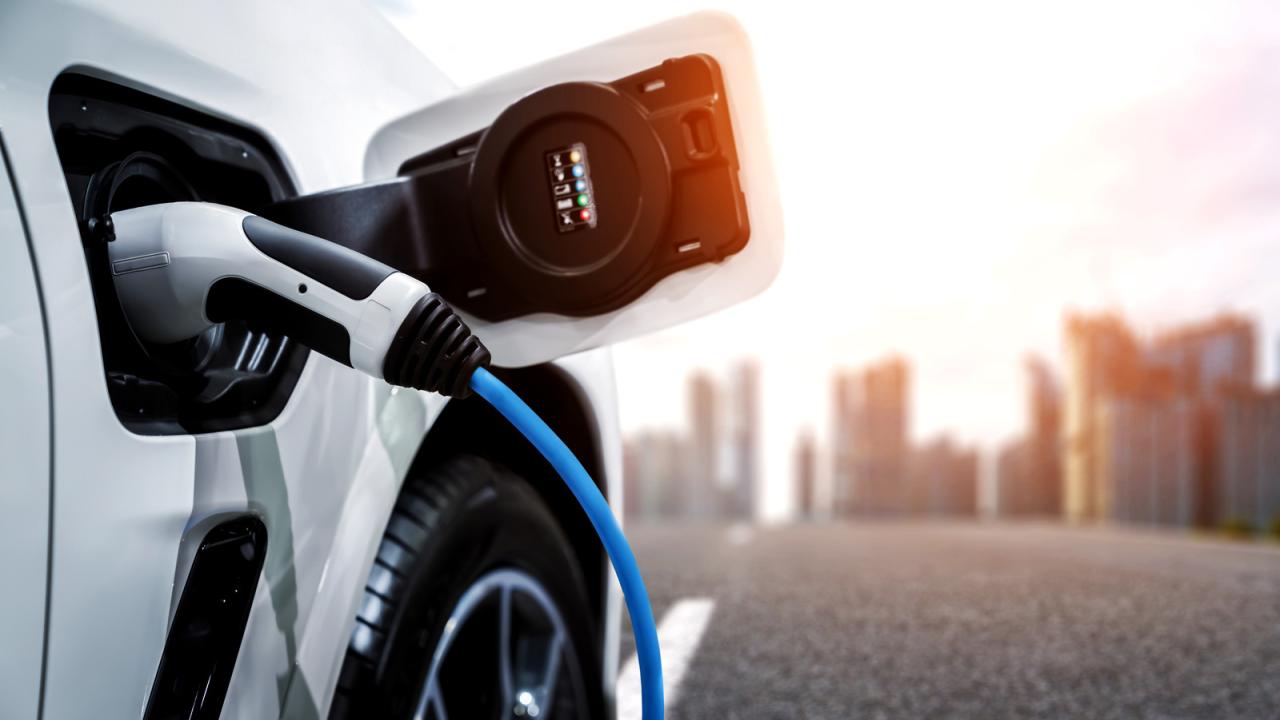
The term “EV charging” encompasses a spectrum of technologies, each designed for different scenarios and charging speeds. A truly effective network must incorporate a mix of these:
A. Level 1 Charging (AC – Alternating Current): * Power Output: Typically 1.4 kW to 2.4 kW (using a standard 120V household outlet in North America, 230V in Europe/Asia). * Charging Speed: Very slow, adding roughly 3-5 miles (5-8 km) of range per hour. * Use Case: Ideal for overnight charging at home or workplace for commuters with shorter daily driving needs. It’s the simplest and most accessible form of charging, requiring no special installation beyond a standard outlet. While slow, its ubiquity makes it a foundational element for routine top-ups.
B. Level 2 Charging (AC): * Power Output: Ranges from 3.7 kW to 22 kW (using a 240V outlet in North America, 400V in Europe/Asia). Most common residential installations are 7-11 kW. * Charging Speed: Significantly faster than Level 1, adding 20-60 miles (32-96 km) of range per hour, depending on the charger and vehicle’s onboard charger capacity. * Use Case: Perfect for home charging (often requiring professional installation of a dedicated charging station), workplace charging, and public destinations like shopping centers, hotels, and parking garages where vehicles are parked for several hours. This is the workhorse of public charging infrastructure.
C. DC Fast Charging (DCFC) / Level 3 Charging: * Power Output: Starts from 50 kW and can go up to 350 kW or even higher (e.g., Tesla Superchargers, Electrify America, IONITY). * Charging Speed: Rapid, capable of adding hundreds of miles of range in under an hour, often achieving 80% charge in 20-40 minutes. The charging rate slows down significantly after 80% to protect the battery. * Use Case: Essential for long-distance travel along highways, intercity routes, and for commercial fleet operations where quick turnarounds are critical. These chargers require significant electrical infrastructure upgrades. Standards include CCS (Combined Charging System), CHAdeMO (primarily in Japan, gradually being phased out in favor of CCS in some regions), and Tesla’s proprietary connector (though Tesla is increasingly opening its network to non-Tesla vehicles using CCS adapters or built-in CCS support).
Key Drivers Behind the Global Charging Network Expansion
The current surge in charging infrastructure development is not coincidental. It’s the result of a confluence of factors:
A. Government Incentives and Policy: Many governments worldwide have implemented ambitious targets for EV adoption and carbon emission reductions. This translates into substantial subsidies, tax credits, and grants for building charging infrastructure, both public and private. Legislation mandating charging points in new constructions or requiring a certain percentage of parking spaces to be EV-ready also plays a crucial role. Examples include the U.S. Bipartisan Infrastructure Law, the EU’s Alternative Fuels Infrastructure Regulation, and various national programs in China, Norway, and other EV-leading countries.
B. Automaker Investment: Major car manufacturers are not only producing more EVs but are also directly investing in charging networks. Companies like Tesla pioneered this model with their Supercharger network, recognizing that a lack of charging options would hinder their vehicle sales. Other automakers are now forming consortiums (e.g., IONITY in Europe) or partnering with third-party charging providers to ensure their customers have access to reliable charging. This strategic shift reflects a holistic approach to the EV ecosystem.
C. Private Sector Innovation and Investment: Beyond governments and automakers, a vibrant ecosystem of private companies is emerging, specializing in charging solutions. These include charge point operators (CPOs) like ChargePoint, EVgo, Electrify America, bp pulse, and Shell Recharge, as well as technology providers developing smart charging software, battery storage solutions, and energy management systems. Venture capital and private equity are increasingly flowing into this burgeoning sector, recognizing its long-term growth potential.
D. Technological Advancements: Continuous innovation in battery technology (leading to longer ranges and faster charging acceptance), charger design (smaller, more efficient units), and software platforms (seamless payment, real-time availability) makes the expansion more feasible and user-friendly. Bi-directional charging (Vehicle-to-Grid/V2G and Vehicle-to-Home/V2H) is another exciting development, allowing EVs to act as mobile power banks, further integrating them into the energy grid.
E. Consumer Demand: As more people experience the benefits of EVs and the technology matures, consumer demand for both the vehicles and the supporting infrastructure naturally increases. Positive word-of-mouth and rising environmental consciousness also contribute to this growing appetite.
Geographic Hotspots of Charging Network Growth
While the expansion is global, certain regions are leading the charge:
A. China: Unquestionably the global leader in EV adoption and charging infrastructure. Driven by strong government policy and a massive domestic market, China boasts the largest number of public and private charging points, including an extensive network of DC fast chargers. Their strategy emphasizes both urban density and intercity connectivity.
B. Europe: European countries, particularly Norway, Germany, the Netherlands, and the UK, have made significant strides. The EU’s ambitious climate targets and regulations are pushing for a widespread, interoperable charging network. Efforts are focused on ensuring cross-border charging capability and harmonizing payment systems.
C. North America (U.S. and Canada): The U.S. is experiencing rapid growth, fueled by federal funding (like the National Electric Vehicle Infrastructure Formula Program), state-level incentives, and private investments. The focus is on building out a national backbone of fast chargers along major corridors, alongside expanding urban and residential charging options. Canada is also making progress, particularly in its major metropolitan areas.
D. Other Regions: While at earlier stages, countries in Asia (e.g., South Korea, Japan, India), and parts of Australia and Latin America are also witnessing burgeoning investment in charging infrastructure, often starting in major cities and gradually expanding outwards.
Challenges and Opportunities in Network Expansion
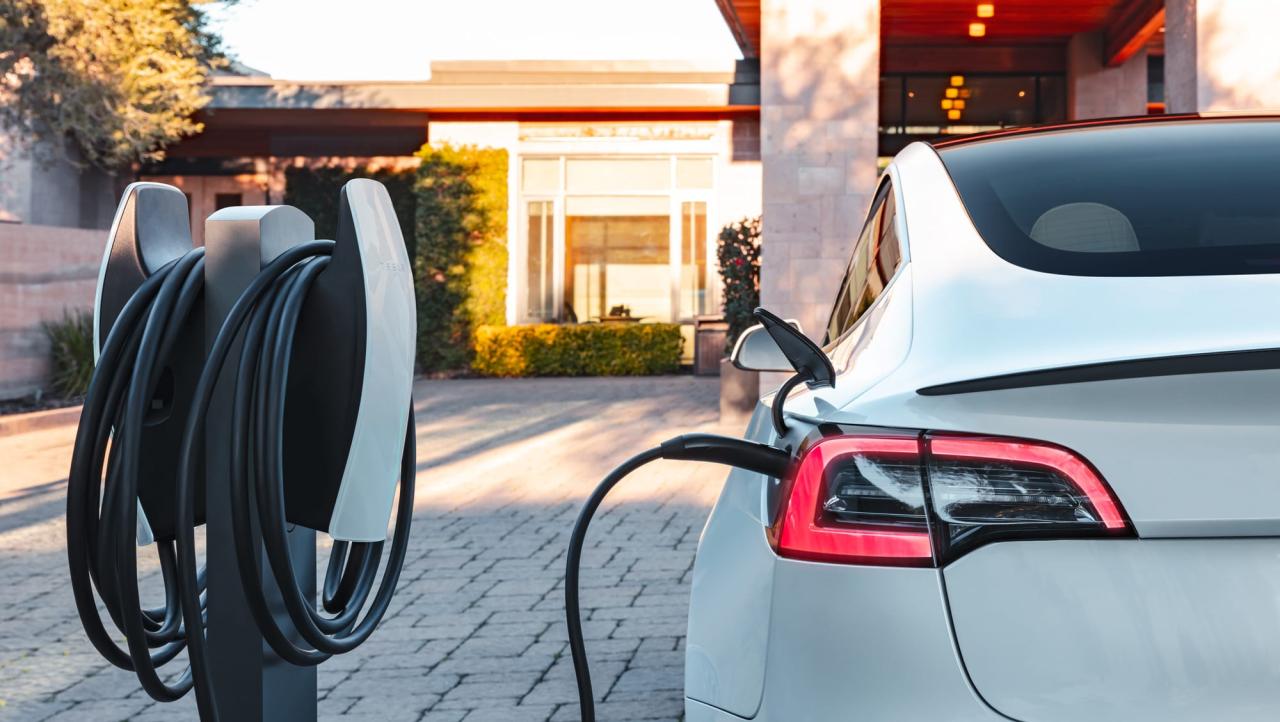
Despite the rapid progress, challenges remain that require innovative solutions:
A. Grid Capacity and Upgrades: A massive influx of EVs will place considerable strain on existing electrical grids. Upgrading transformers, substations, and local distribution networks is essential to prevent outages and ensure reliable power delivery to chargers, particularly high-power DC fast chargers. This requires significant investment and long-term planning.
B. Standardization and Interoperability: While CCS is becoming a dominant global standard, issues of interoperability between different charging networks and payment systems can still create friction for users. Efforts to harmonize connectors, communication protocols, and payment methods (e.g., Plug&Charge technology) are crucial for a seamless user experience.
C. Urban vs. Rural Divide: While major cities are seeing dense charging infrastructure, rural and remote areas often lag behind. Bridging this gap is essential to ensure equitable access to EVs for all populations. This may require different deployment strategies, potentially incorporating more community-based charging initiatives or off-grid solutions.
D. Cost of Deployment: Installing public charging infrastructure, especially DC fast chargers, is expensive due to equipment costs, land acquisition, and electrical upgrades. Finding sustainable business models and securing adequate funding remain ongoing challenges for charging providers.
E. Maintenance and Reliability: A charger that is out of order is useless. Ensuring high uptime, prompt maintenance, and reliable software for payment and station status updates is critical for user satisfaction and trust in the network.
F. Data Security and Privacy: As charging stations become increasingly connected and smart, ensuring the security of user data and protecting against cyber threats becomes paramount.
G. Renewable Energy Integration: Powering EVs with electricity generated from fossil fuels diminishes their environmental benefits. Integrating charging infrastructure with renewable energy sources (solar, wind) and smart grid technologies is a significant opportunity to maximize the sustainability impact of EVs. This includes co-locating chargers with solar canopies or wind turbines, and utilizing battery storage at charging hubs.
The Future of EV Charging
The expansion of the EV charging network is just the beginning. The future promises even more sophisticated and integrated solutions:
A. Wireless Charging (Inductive Charging): Imagine simply parking your EV over a pad embedded in the road or a parking space, and it begins charging automatically, without any cables. This technology is already being piloted for stationary charging and could eventually extend to dynamic wireless charging on dedicated road lanes.
B. Battery Swapping: While less common for passenger vehicles (primarily associated with Nio in China), battery swapping offers an ultra-fast alternative to charging, where a depleted battery pack is swapped for a fully charged one in minutes. This model is gaining traction in commercial applications and for electric two-wheelers.
C. Vehicle-to-Everything (V2X) Capabilities: EVs will increasingly become integral parts of the energy ecosystem. V2G (Vehicle-to-Grid) allows EVs to feed electricity back into the grid during peak demand, potentially earning vehicle owners revenue. V2H (Vehicle-to-Home) enables EVs to power homes during outages. This transforms EVs from mere transportation devices into mobile energy storage units.
D. AI and Predictive Analytics: Advanced AI will optimize charging experiences, predicting demand, directing drivers to available chargers, and even pre-conditioning batteries for faster charging upon arrival. Real-time data will enable dynamic pricing and more efficient grid management.
E. Integrated Urban Planning: Charging infrastructure will be seamlessly integrated into urban design, appearing in street furniture, lampposts, and public parking areas, becoming an invisible yet omnipresent part of city life.
F. Faster Charging Speeds: As battery technology continues to evolve, we can expect even higher charging rates, potentially allowing for “recharge breaks” that are as brief as a traditional gas station stop for most drivers.
Conclusion
The “EV Charging Network Expands” narrative is a dynamic story of technological advancement, strategic investment, and shifting consumer behavior. As governments, automakers, and private enterprises continue to collaborate and innovate, the once-daunting challenge of powering an electric future is steadily transforming into a reality, paving the way for a cleaner, more sustainable, and more connected world of mobility. The robust growth of this infrastructure is not just a facilitator but a direct accelerant of the global electric vehicle revolution.